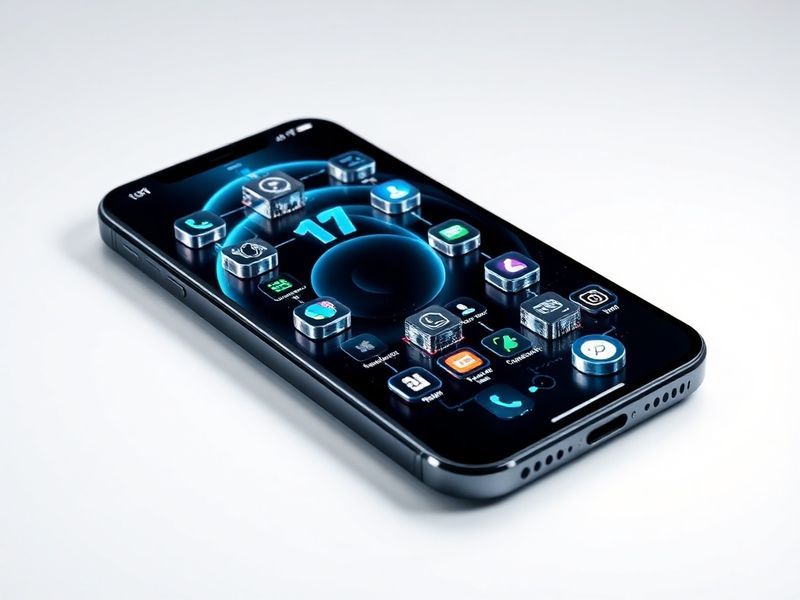
Apple’s latest operating system, iOS 27, arrives with subtle refinements rather than radical overhauls. The update focuses on accessibility, privacy, and seamless integration across Apple’s ecosystem. While the tech press often emphasizes splashy features, the real story lies in how these changes reflect broader global trends in digital culture and user expectations.
From Tokyo to Toronto, users approach iOS differently. In markets where mobile-first experiences dominate, features like offline translation and battery optimization carry outsized importance. Meanwhile, privacy controls resonate deeply in regions with strict data regulations, such as Europe under GDPR. This global lens reveals how iOS 27 is less about revolution and more about evolution—tailored to meet diverse needs.
Privacy and Security: A Global Standard
Privacy has become a defining issue in the digital age, and iOS 27 strengthens Apple’s position as a leader in user protection. The update introduces advanced app tracking controls, giving users granular choices over how their data is shared. This aligns with growing consumer awareness, particularly in markets where digital surveillance concerns are high.
In India, where mobile payments are ubiquitous, secure authentication is critical. iOS 27 enhances Face ID reliability and introduces biometric verification for sensitive apps, reducing reliance on passwords. Meanwhile, in Brazil, where cybercrime has surged, the update’s improved security protocols offer reassurance to millions of users who conduct daily transactions via smartphones.
Apple’s commitment to privacy isn’t just a feature—it’s a cultural statement. By prioritizing user control, iOS 27 reflects a global shift toward transparency in tech. Governments and advocacy groups are increasingly scrutinizing data practices, and Apple’s approach positions it as a responsible actor in this evolving landscape.
Accessibility as a Global Priority
iOS 27 places accessibility at the forefront, introducing features that cater to diverse abilities across the world. Real-time captioning for calls and media supports over 20 languages, addressing the needs of Deaf and hard-of-hearing communities in regions like Southeast Asia, where sign language variations are widespread. For users with motor impairments, customizable touch gestures simplify navigation, making the device more inclusive.
In Japan, where aging populations drive demand for user-friendly technology, iOS 27’s larger text options and voice control improvements are particularly significant. The update also includes haptic feedback enhancements, which assist visually impaired users in navigating interfaces more intuitively.
This focus on accessibility isn’t just altruistic—it’s a recognition of a global demographic reality. By 2050, nearly 2 billion people worldwide will be over 60, according to the UN. Apple’s investment in inclusive design ensures that its products remain relevant across generations and cultures.
Seamless Integration: The Ecosystem Effect
One of iOS 27’s most understated strengths is its integration with Apple’s broader ecosystem. The update enhances continuity between iPhones, Macs, and Apple Watches, creating a fluid experience that spans devices and locations. For global professionals who juggle work and personal life across borders, this seamless connectivity is invaluable.
Consider a freelance designer in Berlin collaborating with a client in Seoul. With iOS 27, file transfers, app switching, and even voice calls transition effortlessly between devices. The update also improves AirDrop reliability, a feature that has become essential in regions where high-speed internet isn’t universally available.
In Africa, where smartphone adoption is booming but infrastructure varies widely, ecosystem integration offers practical benefits. Users can start a task on a mobile device and complete it on a laptop without losing progress, regardless of their location. This flexibility is critical in emerging markets where connectivity is often inconsistent.
Apple’s ecosystem strategy isn’t just about convenience—it’s about creating a unified experience that transcends borders. Whether in Lagos or London, users benefit from a cohesive digital environment that adapts to their needs.
Cultural Adaptations and Localized Features
iOS 27 doesn’t just bring technical improvements; it also reflects cultural adaptations that resonate globally. For example, the update includes region-specific keyboard layouts, emoji updates, and even localized news integrations. In the Middle East, where digital communication blends traditional and modern influences, these nuances matter.
Here’s a closer look at some of the localized features:
- India: Support for 12 Indian languages in Siri, including Hindi, Tamil, and Bengali. Offline translation for 10 regional languages.
- China: Enhanced compatibility with WeChat and other local apps, alongside improved censorship circumvention tools for users in restricted regions.
- Brazil: Integration with local payment systems like PIX, simplifying transactions for millions of users.
- Germany: Stricter data localization controls, aligning with local privacy laws and EU regulations.
- Nigeria: Optimized battery usage to accommodate frequent power outages, a common challenge in many African cities.
These adaptations highlight Apple’s strategy of balancing global consistency with local relevance. By tailoring iOS 27 to specific markets, Apple ensures that its devices feel native to users worldwide, regardless of their location.
A Quiet Revolution in Digital Culture
iOS 27 may lack the flashy announcements that dominate tech headlines, but its impact is far-reaching. The update represents a quiet revolution—a shift toward user-centric design, privacy, and accessibility. In a world where technology often feels impersonal, iOS 27 humanizes the digital experience.
For developers, the update offers new tools to create more inclusive apps. For users, it delivers tangible improvements in daily interactions. And for society at large, it sets a benchmark for responsible innovation. As digital culture evolves, Apple’s approach in iOS 27 serves as a reminder that progress doesn’t always come with fanfare.
Whether you’re a student in Mexico City using offline translation to learn a new language, a small business owner in Nairobi relying on secure payments, or an elderly user in Stockholm benefiting from larger text options, iOS 27 makes technology work better for everyone. In that sense, it’s not just an update—it’s a step forward for the global community.
Explore more technology insights on Dave’s Locker.
Curious about how AI is reshaping global tech standards? Check out our analysis section for deeper perspectives.