Karol G Tour: How Reggaeton Is Taking Over Global Stages
“`html
Global Stages, Local Beats: Karol G’s Tour Dominates Across Continents
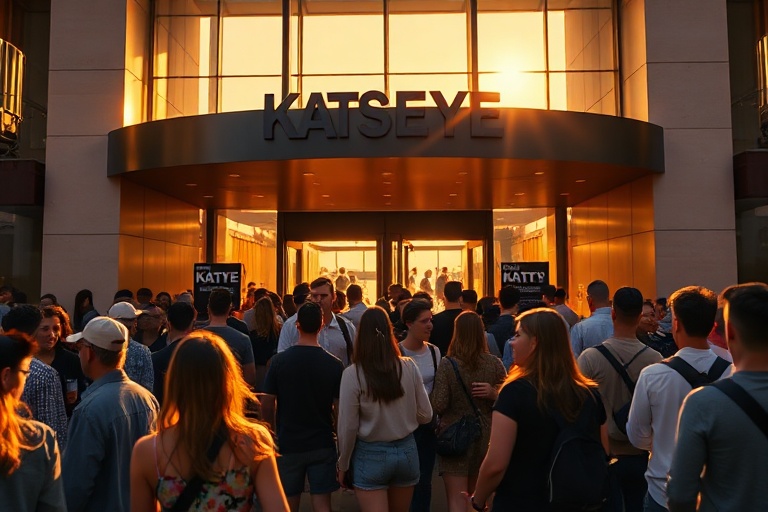
Karol G’s recent world tour has become more than a series of concerts. It is a cultural exchange, a musical statement, and a testament to reggaeton’s global reach. With dates spanning Europe, North America, and Latin America, the tour has drawn crowds that reflect the genre’s growing influence beyond its traditional borders.
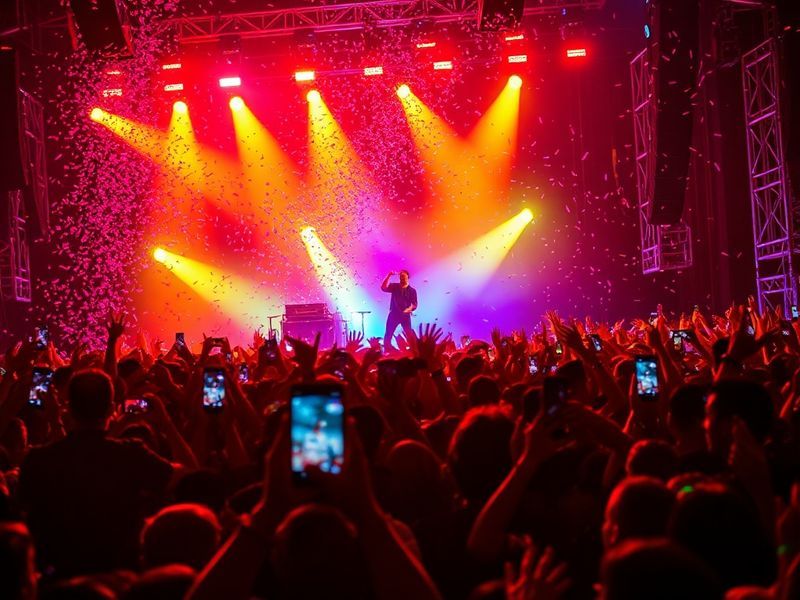
The concerts are multimedia experiences. Neon lights pulse in sync with dembow rhythms. Fans from Bogotá to Berlin sing every word of “Tusa” and “Provenza,” their voices blending into a single, vibrant chorus. This is not just a tour—it is a movement that connects diverse audiences through shared rhythm and emotion.
A Global Itinerary Built on Cultural Bridges
Karol G’s tour route was carefully designed to honor the artist’s roots while expanding her influence. The journey began in Mexico City, where she headlined the Auditorio Nacional to a sold-out crowd of 10,000. The energy mirrored the city’s reputation as a hub for Latin urban music. From there, the tour moved to Miami, a city where Caribbean, Latin, and American sounds collide. The American Airlines Arena became a stage for bilingual anthems that resonated with a multicultural audience.
In Europe, Karol G brought reggaeton to arenas that had rarely hosted such performances. Her show in Madrid drew 15,000 fans, many of whom had discovered her music through streaming platforms. The cultural shift was evident: reggaeton was no longer a niche genre but a mainstream force. Her performance in Paris, at the Accor Arena, featured visuals inspired by Latin American street art, blending urban aesthetics with her signature style.
In South America, the tour became a homecoming. Bogotá’s Movistar Arena was filled with fans who had grown up listening to her music. The show in Lima, Peru, included a surprise duet with a local artist, highlighting the genre’s ability to adapt and integrate regional sounds. These performances were not just concerts; they were celebrations of identity and belonging.
The Setlist: A Journey Through Karol G’s Artistic Evolution
The setlist for the tour reflects Karol G’s artistic growth. It spans her early hits to her most recent releases, creating a narrative arc that tells the story of her career. The opening act often includes rising reggaeton artists, setting the stage for Karol’s entrance. When the lights dim and the first notes of “Mi Cama” begin, the crowd erupts.
The tour’s structure is carefully curated:
- Act 1: Roots and Rebellion – Early songs like “En Las Calles” and “Mi Mala” set the tone, celebrating the genre’s origins in marginalized communities.
- Act 2: Global Fusion – Collaborations such as “Tusa” (with Nicki Minaj) and “Provenza” showcase her ability to blend reggaeton with pop, trap, and electronic elements.
- Act 3: Intimacy and Vulnerability – Ballads like “Pineapple” and “X Si Volvemos” reveal a softer side, drawing emotional responses from the audience.
- Act 4: The Grand Finale – “Bichota” and “MAMIII” bring the energy to its peak, with fireworks, confetti, and a finale that leaves fans breathless.
Each song is delivered with precision, backed by a live band and dancers who bring the visuals to life. The choreography is a mix of reggaeton footwork and contemporary dance, reflecting the genre’s evolution. The costume changes—from edgy streetwear to glamorous gowns—mirror the duality in her music: tough on the outside, deeply emotional within.
Cultural Impact: Beyond the Stage
Karol G’s tour is more than entertainment. It is a cultural bridge that connects Latin America to the world. In cities like Barcelona and Amsterdam, fans who had never visited Latin America felt a sense of belonging through her music. The tour’s success highlights the power of reggaeton as a unifying force, breaking language and cultural barriers.
The influence extends beyond music. Fashion trends from the tour have gone viral, with fans replicating Karol’s bold accessories and neon outfits. Social media platforms are filled with videos of fans learning the choreography, creating a ripple effect of cultural exchange. Even technology plays a role, with augmented reality filters inspired by the tour’s visuals circulating widely online.
Karol G has also used the tour to address social issues. During her performance in San Juan, Puerto Rico, she dedicated a song to the island’s recovery from Hurricane Fiona, raising awareness and funds. In Argentina, she supported feminist movements by including protest chants in her set. These moments show that her artistry is intertwined with activism, making the tour a platform for change.
The Business of Global Stardom
The tour’s commercial success reflects the growing economic power of Latin music. According to Billboard, Karol G’s shows have grossed over $50 million, with ticket prices averaging $120 in North America and €80 in Europe. Merchandise sales have also soared, with limited-edition tour shirts selling out within hours. This financial success has caught the attention of business analysts, who see Latin music as the next big growth sector in entertainment.
The tour’s production is a marvel of logistics. Over 200 crew members travel with Karol G, managing everything from stage design to security. The equipment alone weighs more than 50 tons, requiring specialized trucks and flights. The team’s coordination is a testament to the scale of modern global tours, where artists like Karol G operate as multinational enterprises.
Sponsorships have played a key role in the tour’s execution. Brands like Pepsi and Adidas have partnered with Karol G, leveraging her appeal to reach young, diverse audiences. These collaborations are not just financial; they are cultural endorsements, signaling that reggaeton is now a mainstream force.
Conclusion: A Legacy in the Making
Karol G’s tour is more than a musical event. It is a cultural milestone that showcases the power of Latin music to unite, inspire, and transform. From the streets of Medellín to the stages of Europe, she has created a movement that transcends borders. The tour’s success is a reflection of her artistry, but also of the changing global landscape, where music is a universal language.
As the tour draws to a close, fans are already asking: What’s next? For Karol G, the answer may lie in even bigger productions, new collaborations, or perhaps a return to the stage. One thing is certain—her influence will continue to grow, shaping the future of global music.