Few places encapsulate the dynamism of modern travel quite like Los Angeles International Airport (LAX). As the primary international gateway to Southern California, LAX doesn’t just connect flights—it connects economies, cultures, and industries. With over 80 airlines operating from its nine terminals, LAX handles more than 80 million passengers annually, making it one of the busiest airports in the world. But beyond its sheer volume, LAX represents a microcosm of global mobility, innovation, and infrastructure challenges.
The Evolution of LAX: From Dust Bowl to Digital Age
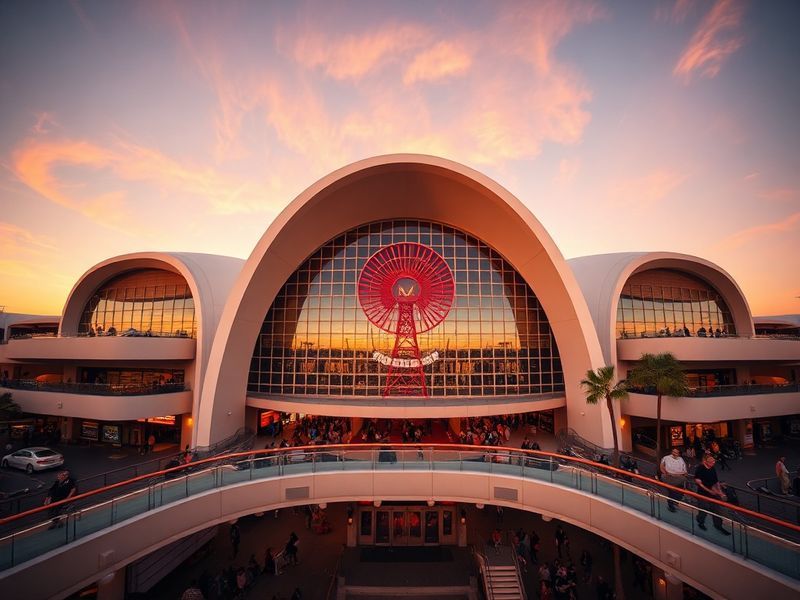
Opened in 1928 as Mines Field, LAX began as a modest airstrip in a region still recovering from the Dust Bowl. By the 1950s, it had transformed into a major commercial hub, driven by the post-war boom and the rise of Los Angeles as an entertainment and aerospace capital. The iconic Theme Building, completed in 1961, symbolized the airport’s futuristic aspirations, blending Googie architecture with the optimism of the Space Age.
The 21st century brought new pressures. Traffic congestion, outdated terminals, and the need for sustainable operations forced LAX to evolve. The Travel section of Dave’s Locker has chronicled how LAX’s modernization efforts—including the $14 billion Landside Access Modernization Program (LAMP)—reflect broader trends in airport design: efficiency, passenger experience, and environmental responsibility.
These upgrades are not merely cosmetic. They respond to a fundamental shift in how we travel. Today’s passengers expect seamless digital integration, from mobile check-ins to AI-driven customer service. LAX’s adoption of biometric screening and smart infrastructure places it at the forefront of the smart-airport movement, where technology enhances both security and convenience.
Economic Impact: More Than Just a Transit Point
LAX is a critical engine of the regional economy. According to the Los Angeles World Airports (LAWA) authority, the airport supports over 600,000 jobs in Southern California and contributes approximately $100 billion annually to the regional economy. Its influence extends beyond aviation into logistics, tourism, and trade.
As the gateway to one of the world’s largest metropolitan areas, LAX facilitates the movement of goods and people that power industries from entertainment to tech. The airport’s cargo operations, ranking among the top ten in the U.S., underscore its role in global supply chains. Goods arriving at LAX—from fresh produce to high-tech components—are often redistributed across the country within hours.
Yet this economic vitality comes with challenges. Housing shortages, traffic congestion, and environmental concerns have intensified debates over LAX’s expansion. Critics argue that further growth could exacerbate inequality and pollution, while advocates point to the airport’s role in job creation and economic resilience.
A Balancing Act: Sustainability and Expansion
In response to environmental concerns, LAX has committed to reducing carbon emissions by 45% by 2030 and achieving net-zero emissions by 2040. Initiatives include transitioning to electric ground support equipment, installing solar panels, and optimizing flight paths to reduce fuel burn. These efforts align with California’s aggressive climate goals and reflect a growing expectation among travelers for sustainable travel options.
However, expansion remains contentious. The controversial “LAX Automated People Mover” project, while designed to improve transit access, has faced delays and cost overruns. Residents near the airport continue to voice concerns over noise pollution and increased traffic. Balancing growth with community well-being is a delicate act—and one that LAX’s leadership must perform with increasing transparency.
LAX in the Global Context: A Case Study in Airport Diplomacy
LAX is more than a transit hub; it’s a diplomatic stage. As the largest airport on the U.S. West Coast, it plays a pivotal role in international relations, particularly with Asia and Latin America. Over 70% of its international passengers originate from or travel to these regions, making LAX a critical node in global migration, business, and cultural exchange.
The airport’s role in repatriation and emergency evacuations—such as during the 2021 Afghanistan withdrawal—highlights its strategic importance. In times of crisis, LAX has demonstrated the capacity to mobilize resources rapidly, reinforcing its status as a national asset.
A Hub of Innovation and Culture
Beyond its operational role, LAX has become a cultural landmark. The Tom Bradley International Terminal features rotating art installations, reflecting Los Angeles’ vibrant arts scene. Local chefs operate restaurants within the terminals, offering a taste of the city’s diverse culinary landscape. Even the airport’s design elements—from the futuristic Theme Building to the sleek Tom Bradley Terminal—are celebrated as architectural achievements.
For many travelers, LAX is their first impression of California. The airport’s ability to blend efficiency with cultural expression sets a tone of hospitality and innovation—qualities that define the state itself.
What’s Next for LAX?
The future of LAX will be shaped by three key trends: technology, sustainability, and geopolitics.
First, the integration of artificial intelligence and automation will continue to streamline operations. From AI-powered baggage handling to predictive maintenance systems, LAX is investing in technologies that reduce delays and improve passenger satisfaction.
Second, sustainability will remain a central focus. As airlines commit to carbon-neutral goals, airports like LAX must lead by example. The transition to sustainable aviation fuels (SAF) and electric aircraft will require unprecedented collaboration between public and private sectors.
Finally, geopolitical shifts will influence LAX’s role. The rise of China as an aviation powerhouse, the ongoing U.S.-China trade tensions, and the resurgence of regional travel post-pandemic all present both opportunities and challenges.
For travelers, businesses, and policymakers, LAX remains a barometer of global connectivity. Its ability to adapt will determine whether it continues to thrive as a gateway to the future—or becomes a relic of a bygone era of travel.
Key Takeaways About LAX
- Economic Powerhouse: LAX supports over 600,000 jobs and generates $100 billion annually for the Southern California economy.
- Modernization Efforts: The $14 billion LAMP project aims to modernize infrastructure, improve transit access, and reduce congestion.
- Sustainability Commitments: LAX has pledged to cut carbon emissions by 45% by 2030 and reach net-zero by 2040.
- Global Connectivity: Over 70% of LAX’s international passengers travel to/from Asia and Latin America, making it a key diplomatic and trade hub.
- Cultural Landmark: From art installations to local cuisine, LAX blends operational efficiency with cultural expression.
As we look ahead, LAX stands at a crossroads. It must balance expansion with sustainability, innovation with inclusivity, and global connectivity with local responsibility. For those who pass through its terminals, LAX is more than a stopover—it’s a testament to the enduring power of human mobility.