Nestled in the heart of Snohomish County, Marysville, Washington, has long been overshadowed by its larger neighbors like Everett and Seattle. Yet this city of roughly 70,000 residents has quietly cultivated a reputation as a community with resilience at its core. From natural disasters to economic shifts, Marysville has faced challenges that tested its spirit—and its response has redefined its future.
The Historical Backbone of Marysville
Founded in the 1870s as a trading post, Marysville grew from a small settlement along the Snohomish River into a key agricultural and logging hub. By the early 20th century, it had become known for its dairy farms and timber industry, attracting immigrant families seeking opportunity in the Pacific Northwest. The city’s character was shaped by diversity, particularly a strong Japanese American community that thrived until World War II.
The construction of Interstate 5 in the 1960s brought new development, transforming Marysville from a rural outpost into a suburban gateway. Yet this growth came with tensions. The city struggled to balance its agricultural roots with suburban expansion, a challenge that still influences local politics today.
Key Historical Milestones
- 1872: Marysville officially incorporated as a town.
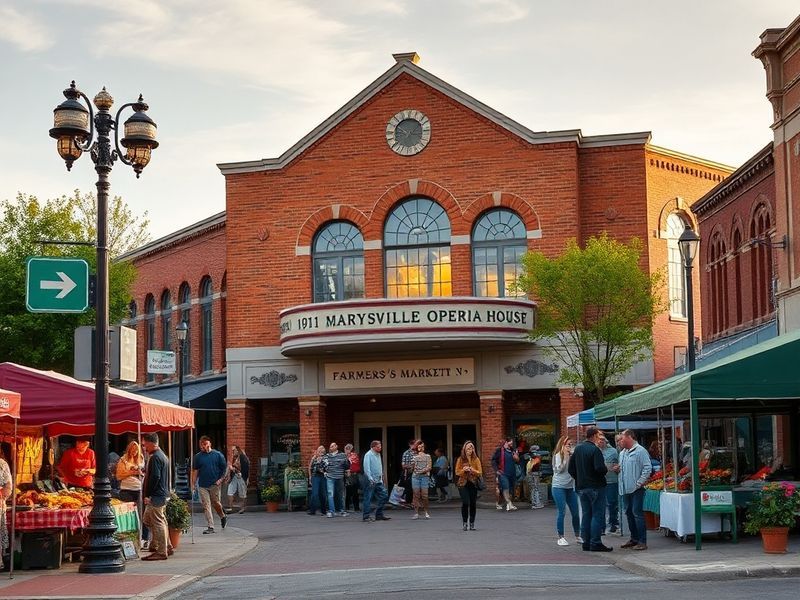
- 1909: The devastating “Great Fire” destroyed much of downtown, leading to a rebuilding effort that defined the city’s architectural identity.
- 1942-1945: Over 200 Marysville residents of Japanese descent were sent to internment camps during World War II, leaving a lasting impact on the community.
- 1990s: The decline of the timber industry forced the city to rethink its economic strategy.
Economic Resilience and Reinvention
Like many small cities in the Pacific Northwest, Marysville’s economy was once dominated by natural resource industries. When the timber boom faded, the city had to adapt. Today, its economy is a mix of manufacturing, retail, healthcare, and education—with a growing emphasis on technology and logistics.
One of Marysville’s most notable economic drivers is its proximity to Boeing’s Everett factory, the largest building in the world by volume. This has made the city a key player in Washington’s aerospace sector, providing thousands of jobs. However, dependence on a single industry carries risks, as seen during the COVID-19 pandemic when aerospace supply chains faltered.
The city has also invested in downtown revitalization, with projects like the Marysville City Hall and the redevelopment of the waterfront. These efforts aim to attract businesses and visitors while preserving the city’s small-town charm. Yet challenges remain, including housing affordability and attracting high-wage jobs.
The Human Side: Community and Recovery
Perhaps Marysville’s greatest strength lies in its people. In 2014, the city faced one of its darkest moments when a student opened fire at Marysville-Pilchuck High School, killing four students and injuring one. The tragedy sent shockwaves through the community, but what followed was a testament to Marysville’s resilience.
Students, teachers, and families came together to heal, with vigils, memorials, and mental health initiatives becoming central to the city’s recovery. The school district implemented restorative justice programs, and local organizations like the Marysville Community Food Bank saw increased demand for support services. The incident also sparked broader conversations about gun violence and school safety in Washington state.
Beyond tragedy, Marysville’s community spirit shines in its festivals, like the annual Strawberry Festival, which celebrates the city’s agricultural heritage. These events foster a sense of belonging, even as the city continues to evolve.
Looking Ahead: Challenges and Opportunities
As Marysville moves forward, it faces a mix of opportunities and obstacles. On the positive side, its location—just 35 miles north of Seattle—positions it well for growth, particularly as remote work trends reshape where people choose to live. The city’s relatively affordable housing compared to Seattle or Bellevue is a draw for young families and professionals.
However, challenges loom large. Traffic congestion on Interstate 5 is worsening, and infrastructure upgrades are needed to support growth. There’s also the question of identity: Is Marysville a suburban extension of Seattle, a self-sustaining city, or something in between? Balancing these roles will require careful planning.
The city’s leadership has acknowledged these issues, with Mayor Jon Nehring emphasizing the need for “smart growth” that prioritizes livability. Initiatives like the Marysville Revitalization Plan aim to enhance downtown, improve public spaces, and attract new businesses. Yet success will depend on collaboration between city officials, businesses, and residents.
For outsiders, Marysville may still be an unknown gem in Washington’s crowded landscape. But for those who call it home, it’s a place of quiet determination—a city that has weathered storms and is now rebuilding itself with purpose.
What’s Next for Marysville?
- Infrastructure Upgrades: Plans for expanded public transit and road improvements to ease congestion.
- Economic Diversification: Efforts to attract tech and green energy companies to reduce reliance on aerospace.
- Housing Solutions: Addressing affordability through mixed-income developments and zoning reforms.
- Community Engagement: Strengthening ties between long-time residents and newcomers to maintain a cohesive identity.
“Marysville’s story isn’t just about survival—it’s about adaptation. The city has shown time and again that it can reinvent itself without losing its soul.” — Local historian and Marysville resident, Linda Nakamura
As Marysville continues to grow, its ability to balance progress with preservation will determine whether it remains a hidden treasure or emerges as a model for small-city resilience. For now, it stands as a reminder that identity isn’t fixed—it’s something communities build, day by day.