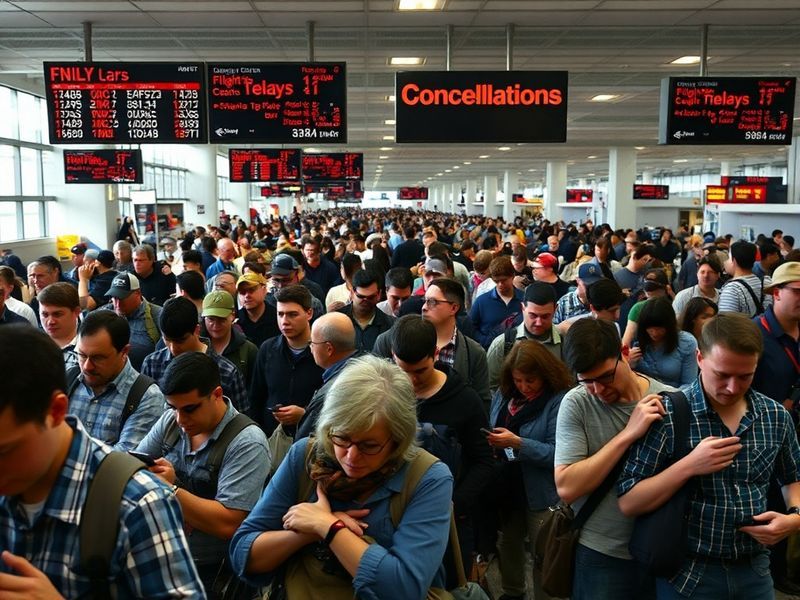
Summer travel in the United States is supposed to be about sunshine, beaches, and family vacations. Instead, many passengers are now packing patience alongside their sunscreen. Flight delays and cancellations have surged to levels not seen since before the pandemic, leaving travelers stranded and airlines scrambling to restore order.
The situation has reached a breaking point. According to the latest data from the Bureau of Transportation Statistics, nearly one in four domestic flights arrived late in May 2024, while cancellations hovered around 2%. These numbers may seem small, but they represent thousands of disrupted itineraries each day. The ripple effects extend far beyond inconvenience. Missed connections lead to lost business opportunities, missed weddings, and family gatherings that cannot be rescheduled.
The Root Causes Behind the Disruptions
Airline industry experts point to a convergence of factors that have pushed the system to its limits. While no single issue is to blame, several key contributors stand out.
Staffing shortages remain a persistent problem. Pilots, flight attendants, and ground crew are still in short supply compared to pre-pandemic levels. Training new personnel takes months, and the aviation industry has struggled to attract workers back into the sector. The Federal Aviation Administration (FAA) has warned that without sufficient staffing, delays will continue to mount.
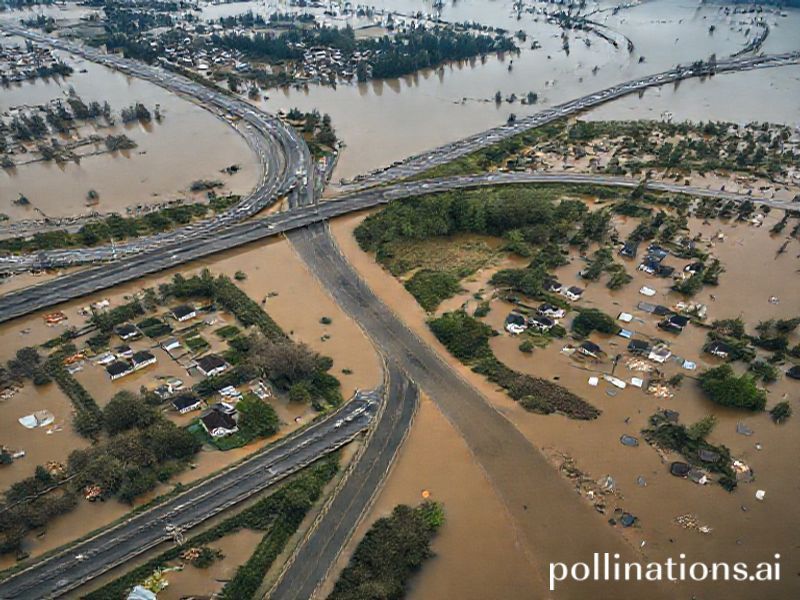
Weather also plays a significant role. Severe thunderstorms, high winds, and heatwaves have disrupted operations across major hubs like Atlanta, Dallas, and Chicago. Climate change is intensifying these weather patterns, meaning airlines can no longer rely on seasonal norms to predict disruptions. Summer thunderstorms in particular have become more unpredictable, forcing airlines to cancel flights preemptively to avoid safety risks.
Technical issues with aircraft have added another layer of complexity. Airlines are operating older fleets longer than originally planned due to supply chain delays in receiving new planes. This has led to more frequent maintenance delays and unexpected groundings. The Boeing 737 MAX 9 grounding earlier this year further strained schedules as airlines reallocated aircraft and crews to cover lost capacity.
Key Factors Contributing to Flight Delays and Cancellations
- Staffing shortages: Pilots, flight attendants, and ground crew remain in short supply.
- Severe weather: Increased thunderstorms, high winds, and heatwaves disrupt operations.
- Technical issues: Older fleets require more maintenance, leading to unexpected groundings.
- Air traffic control limitations: FAA staffing shortages slow down flight approvals and routing.
- High passenger demand: Post-pandemic travel surge strains capacity across the system.
How Airlines Are Responding
Airlines have implemented several strategies to mitigate the chaos, but results have been mixed. Delta Air Lines and United Airlines have introduced more flexible rebooking policies, allowing passengers to change flights without fees in cases of widespread disruptions. Southwest Airlines, still recovering from its catastrophic holiday meltdown in 2022, has focused on improving communication with customers, rolling out real-time updates through its app and website.
Some carriers are investing in technology to improve operational efficiency. American Airlines has partnered with software firms to optimize crew scheduling and reduce the likelihood of delays caused by late-arriving aircraft. JetBlue has expanded its use of dynamic pricing to incentivize passengers to fly during less congested times, hoping to spread demand more evenly across the day.
Despite these efforts, critics argue that airlines are not doing enough to address the core issues. Consumer advocacy groups like FlyersRights.org have called for stronger regulations on airline compensation for delays caused by controllable factors, such as staffing shortages or overbooking. Currently, airlines are only required to provide compensation for delays under specific circumstances, leaving many passengers without recourse.
The Broader Implications for Travelers and the Economy
The consequences of this summer’s travel chaos extend well beyond missed vacations. The business travel sector, already weakened by the rise of remote work, faces further setbacks. Companies report increased costs due to last-minute rebookings and lost productivity when executives and employees are stuck in airports. The hotel and tourism industries in major cities are also feeling the pinch, as delayed travelers cancel or shorten trips, reducing revenue.
Small businesses, particularly those dependent on seasonal tourism, are among the hardest hit. In coastal towns like Myrtle Beach and Outer Banks, local economies rely on uninterrupted air travel during the summer months. When flights are canceled, hotels, restaurants, and tour operators see immediate drops in revenue. Some businesses have begun offering discounts or extended stays to compensate, but the financial strain is palpable.
The environmental impact is another overlooked consequence. More delays mean more planes circling airports, burning additional fuel and increasing carbon emissions. A single delayed flight can produce hundreds of tons of extra CO2, undermining airlines’ sustainability pledges. Environmental groups are calling for stricter emissions regulations in response to the surge in air travel delays.
What Passengers Can Do to Navigate the Chaos
While airlines and regulators work to address systemic issues, travelers are left to fend for themselves. Fortunately, a few proactive steps can reduce the likelihood of being stranded.
Booking early remains the best defense. Flights departing before 6 a.m. or after 8 p.m. tend to have fewer delays, as they avoid peak congestion. Passengers should also consider alternative airports. Flying into or out of secondary hubs like Providence instead of Boston, or Oakland instead of San Francisco, can significantly improve on-time performance.
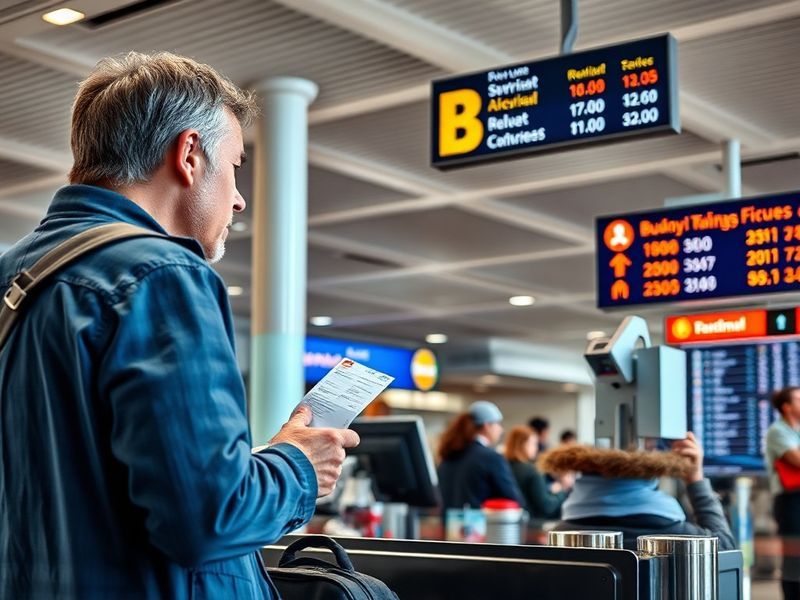
Flexibility is key. Travelers who can adjust their plans at the first sign of trouble fare far better than those locked into rigid itineraries. Airlines often rebook passengers for free if they are proactive about checking flight status and communicating with staff. Signing up for airline text alerts and downloading their apps can provide real-time updates that are more reliable than gate displays.
For those with the means, premium cabin seats on more reliable airlines might be worth the splurge. First-class and business-class passengers typically receive priority rebooking and access to exclusive lounges, which can make delays more bearable. Travel insurance is another consideration, though policies vary widely in what they cover.
Finally, passengers should familiarize themselves with their rights. While U.S. regulations are limited compared to those in Europe, airlines are required to provide food, water, and hotel accommodations for overnight delays in certain cases. The Department of Transportation’s website offers guidance on what to expect when flights are disrupted.
Tips for Avoiding Flight Delays and Cancellations
- Book early or late flights: Departures before 6 a.m. or after 8 p.m. tend to experience fewer delays.
- Choose secondary airports: Flying into smaller hubs can reduce congestion-related disruptions.
- Stay flexible: Adjust travel dates or times at the first sign of potential issues.
- Use airline apps and alerts: Real-time updates are more reliable than gate displays.
- Consider premium cabins: First-class and business-class passengers often receive priority rebooking.
- Check your rights: Review DOT guidelines on compensation for extended delays.
This summer’s travel disruptions are more than just an inconvenience—they reflect deeper challenges facing the aviation industry. As airlines, regulators, and passengers adapt to a new reality, the lessons learned may shape the future of air travel for years to come. Until then, travelers must navigate an increasingly unpredictable system with patience and preparation.
For more insights on travel trends and airline industry updates, visit our Travel and News sections.