Why U.S. Flight Delays Keep Happening and What to Do
“`html
U.S. Flight Delays and Cancellations: Causes, Trends, and Traveler Impact
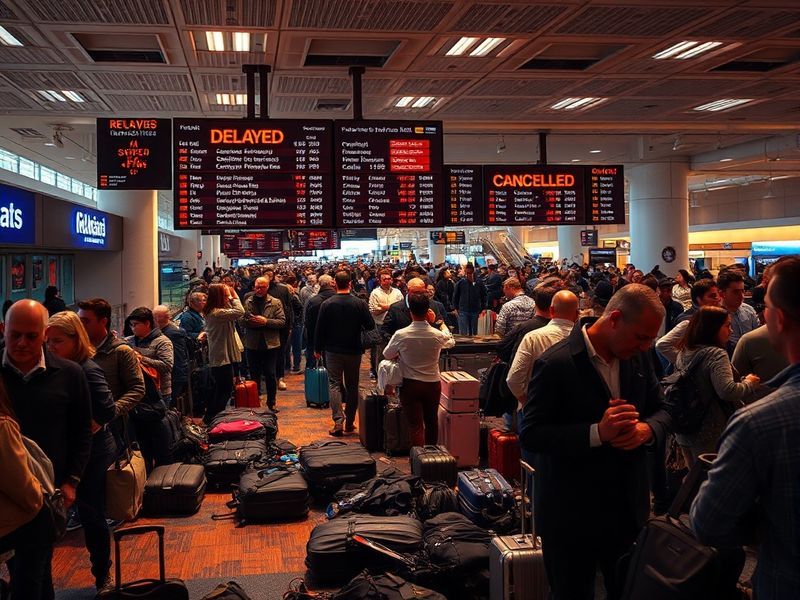
The summer of 2023 saw U.S. airlines grapple with record-breaking delays and cancellations, leaving passengers stranded and airlines scrambling for solutions. While 2024 has shown slight improvement, the aviation industry remains under pressure from persistent challenges. These disruptions aren’t just minor inconveniences—they ripple through travel plans, business operations, and even the broader economy.
What’s Behind the Persistent Delays and Cancellations?
The reasons behind flight disruptions are complex, often intertwined with systemic issues that have plagued the industry for years. Weather remains the most visible culprit, with thunderstorms, hurricanes, and winter storms grounding flights with little warning. According to the Federal Aviation Administration (FAA), weather accounts for nearly 70% of all delays, though this figure doesn’t capture the full scope of the problem.
Staffing shortages at airlines and air traffic control facilities have exacerbated the issue. Pilots, flight attendants, and ground crews are stretched thin, leading to last-minute cancellations when crews call out sick or exceed their duty limits. The FAA’s air traffic control system, which relies heavily on outdated technology in some regions, struggles to adapt to surges in air travel, particularly during peak seasons.
Another critical factor is the airline industry’s aggressive scheduling. Airlines often overbook flights and maintain tight turnaround times, leaving little buffer for unexpected delays. When one flight is delayed, it creates a domino effect, cascading through an airline’s entire network. This practice, while financially beneficial for airlines, leaves passengers bearing the brunt of the consequences.
Key Contributors to Flight Disruptions
- Weather: Thunderstorms, hurricanes, fog, and winter weather ground flights and slow ground operations.
- Staffing shortages: Pilots, flight attendants, and air traffic controllers are in high demand, leading to scheduling gaps.
- Aging infrastructure: Outdated air traffic control systems in some regions struggle to handle modern air traffic volumes.
- Overbooking and tight schedules: Airlines maximize profits by packing flights and minimizing layover times, leaving little room for error.
- Mechanical issues: Aging aircraft fleets and delayed maintenance contribute to unexpected groundings.
The Ripple Effect on Travelers and the Economy
The impact of flight disruptions extends far beyond missed vacations. For business travelers, delayed or canceled flights can mean lost deals, missed meetings, and damaged professional reputations. Families planning long-awaited reunions or vacations face emotional and financial strain when their plans fall apart.
The economic cost is staggering. Airlines lose millions in revenue per day due to cancellations, while hotels, rental car companies, and local businesses suffer from absent tourists. A 2023 report by the U.S. Travel Association estimated that flight disruptions cost the U.S. economy over $8 billion annually in lost productivity and travel-related spending.
Passenger frustration has also fueled a surge in complaints to the Department of Transportation (DOT). In 2023, the DOT received over 100,000 complaints about airline service, a 50% increase from the previous year. Many travelers feel powerless against airline policies, which often prioritize rebooking passengers on their own flights—even if it means leaving them stranded for days.
How Airlines and Regulators Are Responding
Airlines have begun implementing measures to mitigate delays, though results have been mixed. Some carriers, like Delta and Southwest, have invested in improved crew scheduling software to better manage staffing shortages. Others have expanded their fleets with newer, more reliable aircraft to reduce mechanical delays.
The FAA has also taken steps to modernize air traffic control systems, though progress is slow. The agency’s NextGen program, aimed at improving efficiency through satellite-based navigation, has shown promise but faces funding and implementation hurdles. Meanwhile, Congress has debated increasing funding for the FAA, though partisan divides often stall legislative action.
On the regulatory front, the DOT has proposed stricter rules to hold airlines accountable for service failures. A 2024 proposal would require airlines to compensate passengers for delays and cancellations caused by controllable factors, such as staffing shortages or overbooking. If passed, this could mark a significant shift in passenger rights.
What Travelers Can Do to Protect Themselves
While airlines and regulators work on long-term solutions, travelers must adapt to the realities of modern air travel. Proactive planning and flexibility are essential to minimizing disruption. Booking direct flights or avoiding tight connections can reduce the risk of cascading delays. Travelers should also consider travel insurance, which often covers trip interruptions due to flight cancellations.
Monitoring flight status in real-time and signing up for airline alerts can provide early warnings of potential issues. When delays occur, passengers should act quickly to rebook on alternative flights, either through the airline or a third-party app. Social media can also be a powerful tool—many airlines prioritize rebooking requests from passengers who publicly tag them in complaints.
For frequent flyers, elite status with an airline can offer perks like priority rebooking and waived change fees. However, even these benefits have limits during peak disruption periods. Diversifying travel plans with multiple airlines or booking with carriers known for better on-time performance can provide a safety net.
Traveler Tips for Avoiding Disruptions
- Book wisely: Choose morning flights, which are less likely to be delayed by overnight weather or staffing issues.
- Stay informed: Use apps like FlightAware or airline notifications to track real-time changes.
- Have a backup plan: Know alternative flight routes and be prepared to book a last-minute ticket if necessary.
- Know your rights: Familiarize yourself with airline policies and DOT regulations regarding compensation and rebooking.
- Consider travel insurance: Policies often cover trip interruptions, delays, and cancellations due to unforeseen events.
A Long-Term Solution Remains Elusive
The challenges facing the U.S. aviation industry are deeply rooted in decades of underinvestment, deregulation, and shifting consumer demands. While incremental improvements are possible, systemic change will require collaboration between airlines, labor unions, and government agencies. For now, travelers must navigate an unpredictable landscape, armed with patience and strategic planning.
The summer of 2023 served as a wake-up call for the industry, but the road to recovery is long. Until airlines and regulators address the core issues—staffing, infrastructure, and scheduling—passengers will continue to face the frustrations of delayed and canceled flights. The question isn’t whether disruptions will happen, but how travelers and the industry can adapt to minimize their impact.
For those planning upcoming trips, the best strategy may be to expect the unexpected. After all, in an industry where delays are the norm rather than the exception, flexibility isn’t just a virtue—it’s a necessity.