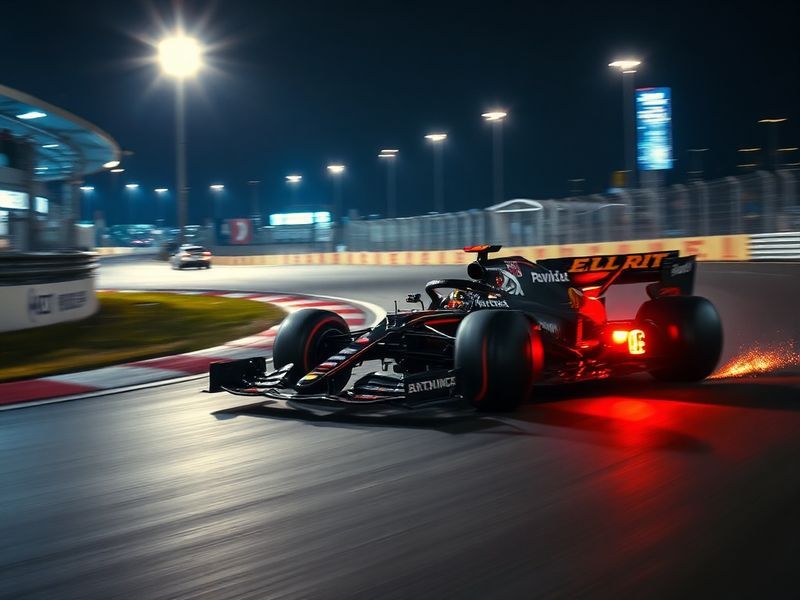
The 2024 Formula 1 season arrives with a fresh wave of technical and sporting regulations aimed at reshaping the competitive landscape. These adjustments—some subtle, others transformative—are designed to tighten racing, improve safety, and introduce new strategic variables. For teams and drivers already deep into pre-season testing, the changes are more than just fine print; they represent opportunities, challenges, and potential turning points in the championship fight.
Among the most talked-about revisions are updates to the aerodynamic rules, revised sprint race formats, and stricter financial and operational guidelines. The FIA has also introduced new sustainability measures and adjustments to the power unit regulations. Together, these shifts could redefine the hierarchy on the grid and influence how teams approach design, race strategy, and even driver development.
To understand what’s at stake, let’s break down the key rule changes and their broader implications for the sport.
Major Technical and Sporting Changes for 2024
Formula 1’s regulatory body, the FIA, has once again revised the technical and sporting regulations for the 2024 season. These changes are part of a continuous evolution aimed at improving racing quality, reducing costs, and aligning with sustainability goals. While some updates build on previous seasons, others represent a notable departure from established norms.
The most significant technical change involves tighter aerodynamic regulations. The FIA has introduced more restrictive floor and diffuser designs to reduce downforce and turbulent air, with the goal of making overtaking easier. This follows years of escalating aerodynamic development that created “dirty air,” making it harder for cars to follow closely. The new rules cap the height and slope of certain aerodynamic surfaces, effectively limiting the generation of vortices that disrupt airflow behind a car.
In addition to aerodynamics, the 2024 season brings updates to the sprint race format. Sprints now feature a revised points system, awarding points to the top eight finishers instead of the previous top three. This change increases the strategic importance of sprint weekends and offers more drivers and teams a chance to gain championship points from a single event.
Other key sporting changes include:
- Increased minimum weight for cars, now set at 798 kg, to account for new components and safety features.
- Stricter rules on the use of team radio during practice sessions to encourage independent problem-solving.
- Revised parc fermé regulations, allowing more flexibility in setup adjustments between qualifying and the race.
- New sustainability mandates requiring teams to use 10% sustainable fuel in 2024, rising to 20% by 2025.
These changes reflect a dual focus on performance parity and environmental responsibility, two themes that will define the future of F1.
Impact on Driver Performance and Race Strategy
The revised aerodynamic rules are expected to have the most immediate impact on driver performance. With less downforce and cleaner air, drivers will need to adapt their cornering techniques and braking points. Those accustomed to high-downforce setups may find themselves struggling for grip in slower corners, while drivers with a more balanced approach could gain an advantage.
This shift could benefit midfield teams like Alpine, Williams, and Alfa Romeo, which have historically struggled in high-downforce conditions. Their drivers may find it easier to follow rivals and execute overtakes, potentially leading to tighter midfield battles and more overtaking opportunities.
Race strategy is also poised for transformation. The expanded sprint points system means teams must now balance their focus across three distinct sessions: Friday practice, sprint qualifying, and the main race. A strong performance in the sprint can provide a psychological and points boost heading into the Grand Prix, but missteps in setup or tire choice can be costly.
The new parc fermé rules add another layer of complexity. Teams can now make more adjustments to their cars between qualifying and the race, provided they stay within the allowed parameters. This could lead to more dynamic race-day strategies, with drivers adapting their setups based on real-time conditions and tire performance.
For veteran drivers, the changes may require a recalibration of instincts built over years of high-downforce racing. Meanwhile, younger drivers entering the sport will need to demonstrate adaptability early in their careers, potentially leveling the playing field for rookie performances.
Broader Implications: Cost, Competitiveness, and the Future of F1
The 2024 rule changes are not isolated adjustments but part of a longer-term vision for Formula 1. One of the most significant implications is the potential impact on cost control. By limiting aerodynamic development and encouraging more standardized setups, the FIA aims to reduce spending in a sport where budgets can spiral out of control. The focus on sustainable fuels also aligns with broader industry trends and regulatory pressures, positioning F1 as a leader in green technology.
However, the changes could also exacerbate existing competitive imbalances. Teams with stronger infrastructure and resources may find ways to exploit the new rules more effectively, leading to a widening gap between the front runners and the rest of the field. This is particularly true for teams that have already invested heavily in aerodynamic development over the past decade.
The revised sprint format has also sparked debate. While it increases fan engagement and provides more action on track, some argue that it dilutes the prestige of the main race. Others believe it offers a more dynamic viewing experience, especially for casual fans who may not follow practice sessions closely.
On a cultural level, the changes reflect F1’s ongoing evolution as both a sport and a global entertainment brand. The push for sustainability and inclusivity is not just about performance—it’s about shaping the sport’s identity for future generations. As teams and drivers adapt to the new rules, the 2024 season could serve as a litmus test for how well F1 balances tradition with innovation.
What to Watch in the Early Rounds
The true test of these rule changes will come in the opening races of the season. Teams that can quickly adapt their aerodynamic setups and race strategies will gain an early advantage, while those slow to respond may find themselves playing catch-up. The sprint races in Austin, São Paulo, and Las Vegas will be particularly telling, as they offer a condensed snapshot of how well teams have integrated the new regulations.
Drivers will also need to demonstrate patience and precision. With less downforce and more emphasis on clean air, mistakes in braking zones or corner exits could be more punishing than ever. The ability to manage tire wear and fuel consumption will become even more critical, especially on tracks with high lateral loads.
For fans, the early races will provide a clearer picture of how the rule changes have reshaped the championship. Will the midfield teams close the gap to the front runners? Can any of the rookies or less-experienced drivers make a breakthrough? And perhaps most importantly, will the races be more competitive and unpredictable?
One thing is certain: the 2024 Formula 1 season is not just about speed and strategy—it’s about adaptation. As teams and drivers navigate the new rules, the lessons learned this year will shape the sport for seasons to come.
For deeper analysis and expert commentary on F1’s evolving landscape, explore our Sports and Automotive sections, where we break down the latest trends and stories shaping the world of motorsport.
As the season unfolds, one question remains: will these rule changes level the playing field or create new hierarchies? Only time—and the results on track—will tell.