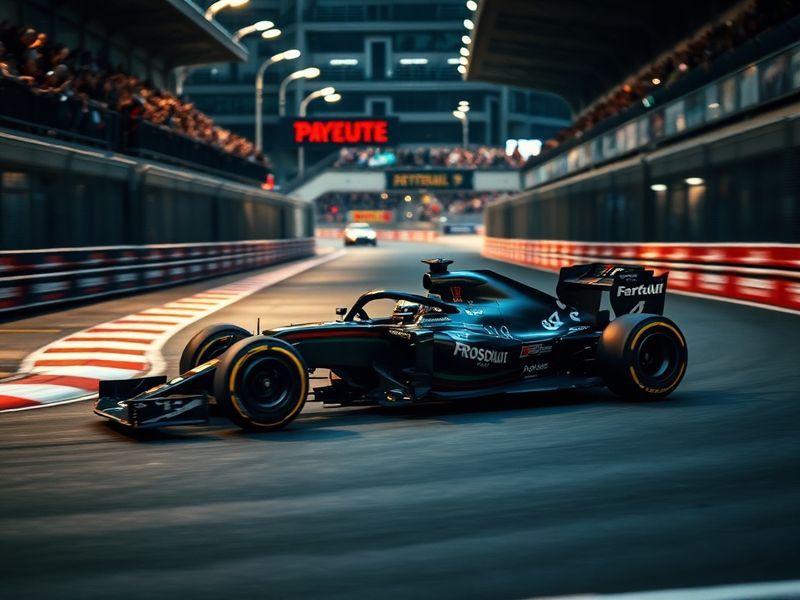
How F1 Rule Changes Are Reshaping the Sport’s Future
“`html
Formula 1’s Rule Changes: A Global Shift in Racing’s Future
Formula 1 has always been a sport of evolution, where innovation and regulation shape the boundaries of competition. The latest wave of rule changes, introduced in 2022 and refined annually, represents more than just technical adjustments—they redefine how races are won and how the sport engages with its global audience. These changes reflect broader trends in motorsport, including sustainability, fan accessibility, and technological integration.
From aerodynamic overhauls to stricter financial regulations, F1’s governing body, the FIA, has pursued a deliberate strategy to make racing more competitive and environmentally conscious. The shift has sparked discussions not only among teams and drivers but also among fans, sponsors, and even cultural observers who see F1 as a mirror of global technological progress.
The 2022 Revolution: Simplicity and Sustainability
The most significant overhaul arrived in 2022, when F1 introduced ground-effect aerodynamics to replace traditional downforce systems. The move aimed to reduce turbulent air behind cars, making overtaking easier—an issue that had plagued the sport for decades. The new regulations mandated simpler front and rear wings, along with underbody diffusers that generate downforce without relying on disruptive airflow.
This change was not just about performance. It also aligned with F1’s commitment to sustainability, as the sport pushes toward a net-zero carbon footprint by 2030. The 2022 rules capped fuel usage during races and introduced stricter limits on wind tunnel testing, forcing teams to innovate within tighter constraints. These measures reflect a broader shift in global sports culture, where environmental responsibility is no longer optional.
Financial Regulations: Leveling the Playing Field
Another cornerstone of the new era is the Financial Regulations, commonly known as the budget cap. Introduced in 2021 and fully implemented in 2022, the $140 million cap per team aims to prevent a spending war that had left smaller teams struggling to compete. The rules cover nearly all operational costs except marketing, driver salaries, and a few other exemptions.
The impact has been immediate and profound. Teams like Alpine and Williams, once perennial backmarkers, have shown unexpected competitiveness. Meanwhile, traditional powerhouses like Ferrari and Mercedes have had to adapt their strategies, proving that financial fairness can reshape the competitive landscape. This shift resonates beyond the track, as it mirrors global debates about economic equity in professional sports.
The budget cap also introduces a new layer of intrigue in team negotiations. With limited resources, every dollar spent must deliver measurable results. This has intensified rivalries not just on the track but also in the boardrooms, where strategic decisions now carry as much weight as engineering prowess.
Sustainability and the Push for Net-Zero
F1’s sustainability initiatives extend beyond the 2022 rules. The sport has committed to using 10% sustainable fuels by 2025 and 100% by 2030, a goal that requires collaboration with fuel manufacturers and regulatory bodies worldwide. This transition is not merely symbolic; it positions F1 as a leader in high-performance green technology, influencing industries far beyond motorsport.
The shift to sustainable fuels has also sparked cultural conversations. In Europe, where environmental concerns drive policy, F1’s green agenda aligns with public sentiment. Meanwhile, in markets like the Middle East and Asia, where fossil fuels remain central to national identity, the transition presents both challenges and opportunities for local sponsorships and regional engagement.
These changes are not without controversy. Some purists argue that the push for sustainability compromises the sport’s raw, high-octane appeal. Yet, the FIA has framed these rules as a necessary evolution, one that ensures F1’s relevance in a world increasingly prioritizing eco-conscious innovation.
Fan Engagement and the Digital Transformation
Another area of focus is fan engagement. F1 has introduced rule changes aimed at making races more unpredictable and exciting for spectators. The sprint race format, introduced in 2021 and expanded in 2023, allows fans to experience competitive action across multiple sessions rather than just the main race. This change reflects a broader trend in sports media, where fragmented viewing habits demand more dynamic content delivery.
The digital transformation of F1 extends to its broadcasting and social media strategies. The sport has embraced over-the-top (OTT) platforms, interactive apps, and data-driven storytelling to connect with younger, tech-savvy audiences. These efforts have paid off, with F1’s global fanbase growing by double digits in regions like Southeast Asia and the Americas.
Yet, the digital shift also raises questions about accessibility. While streaming services expand reach, they risk alienating fans who prefer traditional television. The FIA has responded by ensuring races remain available on free-to-air channels in key markets, balancing innovation with inclusivity.
Cultural Impact: F1 as a Global Mirror
Formula 1 is no longer just a European sport. Its fanbase spans six continents, with major growth in the United States, China, and the Middle East. The rule changes reflect this global shift, incorporating feedback from diverse markets and cultures. For example, the introduction of sprint races was partly influenced by the popularity of shorter, more digestible formats in American sports like NASCAR and IndyCar.
In China, where F1 has struggled to gain traction despite multiple race venues, the new regulations offer a chance to rebrand the sport. The emphasis on sustainability and digital engagement aligns with China’s national priorities, including its push toward green technology and its booming esports industry. Similarly, in the Middle East, where F1 has invested heavily in events like the Saudi Arabian and Abu Dhabi Grand Prix, the rules provide a narrative of progress and modernity.
The cultural impact of F1’s rule changes also extends to its representation. The sport has made strides in diversifying its driver lineup and leadership, though critics argue progress remains slow. The new regulations, while technical in nature, indirectly influence these conversations by reshaping the sport’s image and appeal.
The Road Ahead: Challenges and Opportunities
As F1 continues to refine its rules, it faces challenges that go beyond the technical. The global economic landscape, geopolitical tensions, and the rapid pace of technological change all play a role in shaping the sport’s future. For instance, the rise of electric vehicle (EV) technology has led to speculation about the eventual introduction of electric-powered F1 cars—though the sport has thus far resisted this trend, opting instead to focus on sustainable fuels.
Another challenge is maintaining a balance between tradition and innovation. Purists may bristle at changes that alter the aesthetic or character of F1, while younger fans might demand even bolder steps toward digital integration and sustainability. The FIA’s task is to navigate these expectations without alienating either group.
Yet, the opportunities are vast. F1’s rule changes have already redefined competition, making races more unpredictable and teams more strategic. The push for sustainability has positioned the sport as a leader in green innovation, attracting new sponsors and fans. And the digital transformation has opened doors to global markets that were once considered peripheral.
For fans, these changes mean more thrilling races, deeper narratives, and a sport that feels increasingly connected to the world around it. For the industry, they represent a model of how tradition and progress can coexist. And for the FIA, they are a testament to the power of regulation in shaping the future of sport.
Conclusion: Racing Toward the Unknown
Formula 1’s latest rule changes are more than a set of technical adjustments—they are a declaration of intent. The sport is evolving, not just as a competition but as a cultural and technological force. By embracing sustainability, financial fairness, and digital innovation, F1 is positioning itself at the forefront of global sports.
Yet, the journey is far from over. The challenges ahead—whether economic, environmental, or technological—will demand creativity, adaptability, and a willingness to challenge convention. For fans, this means an exciting era of unpredictability. For the sport, it means a chance to redefine itself for a new generation.
One thing is certain: Formula 1 will continue to change. And in a world where adaptability is the ultimate competitive advantage, that might be its greatest strength.
—