Diplomatic efforts surrounding Iran have intensified in 2024, with multiple stakeholders pushing for renewed negotiations on the country’s nuclear program and regional influence. The talks, which have spanned decades, reflect a complex web of geopolitical interests, economic pressures, and security concerns. Recent rounds of discussions have shown both cautious optimism and deep skepticism, illustrating how fragile progress can be in such high-stakes negotiations.
For observers, the stakes are clear: a potential nuclear deal could reshape Middle Eastern dynamics, while failure risks further escalation. Meanwhile, Iran’s evolving role in conflicts like those in Gaza and Yemen adds another layer of complexity to these already intricate negotiations. Understanding where these talks stand requires examining recent developments, key players, and the broader implications of any potential outcomes.
Recent Developments in the Negotiation Process
The most recent push for diplomacy began in late 2023, following indirect talks between Iran and the United States. These discussions, mediated by European and regional partners, aimed to revive the 2015 Joint Comprehensive Plan of Action (JCPOA), which the U.S. abandoned in 2018. Since then, Iran has significantly expanded its nuclear capabilities, enriching uranium to levels far beyond the JCPOA’s limits.
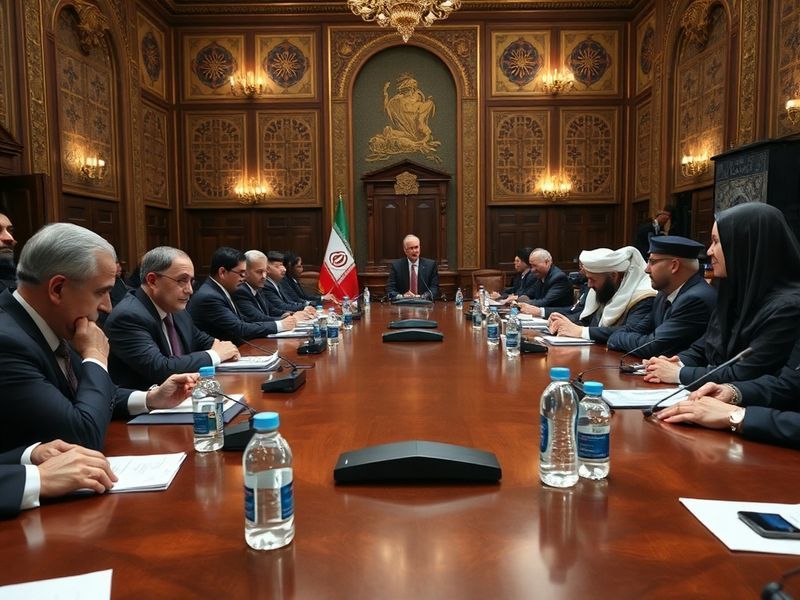
Key milestones in 2024 include a series of high-level meetings in Doha and Muscat, where negotiators focused on two primary issues: Iran’s nuclear advancements and its regional activities. While some progress has been made on technical aspects, such as the potential lifting of sanctions, broader political obstacles remain. Iran has insisted on guarantees that future U.S. administrations won’t withdraw from any new agreement, a demand that complicates negotiations.
Another critical factor is the involvement of regional players like Saudi Arabia and the United Arab Emirates. These countries, wary of Iran’s growing influence, have signaled cautious support for a deal—provided it addresses their security concerns. However, their participation also introduces additional demands and conditions, further complicating the process.
Obstacles to a Breakthrough
Despite the flurry of activity, several persistent obstacles threaten to derail the talks. One major hurdle is the lack of trust between Iran and Western powers, particularly the U.S. Iran’s leadership has repeatedly accused the U.S. of bad faith, pointing to the unilateral withdrawal from the JCPOA as evidence. Meanwhile, U.S. officials remain skeptical of Iran’s commitment to curbing its nuclear program, given its recent enrichment activities.
The issue of regional proxies also looms large. Iran’s support for groups like Hezbollah in Lebanon and the Houthis in Yemen has drawn sharp criticism from Gulf states and Israel. Any new agreement would likely need to address Iran’s regional behavior, but Tehran has shown little willingness to compromise on what it views as its legitimate security interests.
Economic pressures add another layer of complexity. Iran’s economy has been severely strained by U.S. sanctions, which have crippled its oil exports and limited access to international markets. While sanctions relief is a key incentive for Iran to negotiate, the country’s leadership faces internal pressure to resist concessions that could be perceived as weakness.
Key Players and Their Positions
The success or failure of these talks hinges on the positions of several critical actors. Below is a breakdown of the primary stakeholders and their respective stances:
- Iran: Seeks the lifting of sanctions while maintaining its nuclear program and regional influence. Supreme Leader Ayatollah Ali Khamenei has emphasized that Iran will not compromise on its core interests, including its right to nuclear technology.
- United States: Under the Biden administration, the U.S. has expressed willingness to rejoin the JCPOA but remains firm on issues like Iran’s ballistic missile program and regional activities. Domestic political divisions in the U.S. further complicate its position.
- European Union: Serves as a mediator in the talks, with France, Germany, and the UK playing active roles. The EU aims to revive the JCPOA but is also concerned about Iran’s regional behavior and nuclear advancements.
- Israel: Strongly opposes any deal that would allow Iran to retain nuclear capabilities. Israel has threatened military action in the past and continues to lobby against concessions to Iran.
- Gulf States (Saudi Arabia, UAE): Support a deal that addresses their security concerns but remain wary of Iran’s intentions. Their involvement in the talks reflects a shift toward engagement rather than outright confrontation.
The interplay between these actors creates a delicate balance. While some progress has been made on technical issues, the broader political dynamics make a comprehensive agreement unlikely in the near term. Instead, negotiators may focus on incremental steps, such as temporary sanctions relief or limited nuclear concessions, to build momentum.
Potential Outcomes and Regional Implications
The potential outcomes of these talks range from a full revival of the JCPOA to a complete breakdown in negotiations. A successful deal could ease tensions in the Middle East, reduce the risk of conflict, and open the door to broader economic cooperation. However, even a partial agreement could have significant implications.
For instance, a limited deal might focus on freezing Iran’s nuclear program in exchange for modest sanctions relief. While this wouldn’t address all concerns, it could provide a temporary reprieve and reduce the risk of escalation. Alternatively, a failure to reach any agreement could lead to further sanctions, military posturing, and a heightened risk of conflict.
Regional implications are equally significant. A deal could improve relations between Iran and Gulf states, paving the way for dialogue on issues like Yemen and Syria. However, it could also embolden Iran’s regional allies, further destabilizing the Middle East. Israel’s response would likely be a critical factor, with potential military actions or cyberattacks aimed at disrupting Iran’s nuclear capabilities.
Economically, a deal could unlock billions in frozen assets and boost Iran’s oil exports, providing relief to its struggling economy. However, the impact on global oil markets would depend on the scale of sanctions relief and Iran’s ability to ramp up production quickly.
What’s Next for Iran Talks?
As of mid-2024, the path forward remains uncertain. Negotiators are likely to continue exploring incremental steps, such as confidence-building measures or temporary agreements, to keep dialogue alive. However, the underlying issues—distrust, regional rivalries, and differing priorities—pose significant challenges.
For now, the focus appears to be on sustaining the momentum of negotiations while managing expectations. The U.S. and its allies are acutely aware that a rushed deal could collapse under domestic or regional opposition. Meanwhile, Iran’s leadership must balance its desire for sanctions relief with the need to maintain domestic support and regional leverage.
One thing is clear: the stakes couldn’t be higher. A breakthrough could reshape the Middle East, while a failure risks further conflict and instability. For policymakers, the challenge lies in navigating these complexities without losing sight of the broader goal: preventing a nuclear-armed Iran while addressing the region’s deep-seated grievances.
For those seeking deeper analysis on geopolitical trends or historical context, explore our Analysis and Politics sections, where we break down the nuances of global affairs.