<!DOCTYPE html>
<html lang="en">
<head>
    <meta charset="UTF-8">
    <meta name="viewport" content="width=device-width, initial-scale=1.0">
    <title>Josh Groban: The Tenor Who Defined a Generation</title>
</head>
<body>
    <article>
        <h1>Josh Groban: The Tenor Who Defined a Generation</h1>

        <p>Josh Groban emerged in the late 1990s as a singular voice in contemporary music, blending classical training with pop sensibilities. His rise coincided with a cultural moment when crossover artists were redefining what it meant to be a vocalist. Unlike traditional opera stars, Groban connected with audiences through emotional accessibility and versatility, bridging genres from Broadway to ballads.</p>

        <p>Born in Los Angeles in 1981, Groban’s early exposure to music came through his family’s Jewish heritage and school choir programs. His formal training began at the prestigious Interlochen Arts Academy in Michigan, where he honed his technical skills before returning to California to study under vocal coach Seth Riggs. This foundation allowed him to navigate seamlessly between genres, a rare trait in an era of genre-specific artists.</p>

        <h2>The Cultural Impact of Groban’s Breakthrough</h2>

        <p>Groban’s self-titled debut album in 2001 arrived at a time when the music industry was hungry for fresh, emotionally resonant voices. His cover of “Angels” by Robbie Williams became an overnight sensation, topping charts in multiple countries. The album’s success wasn’t just commercial; it signaled a shift in how classical-trained artists could thrive in the pop landscape.</p>

        <p>His appeal transcended borders, particularly in Asia, where he became a household name. Concerts in Japan and South Korea sold out within hours, a testament to his global reach. Groban’s ability to perform in multiple languages—including Italian, Spanish, and French—further cemented his international status. This multilingual approach mirrored the growing interconnectedness of global music consumption in the early 2000s.</p>

        <p>Groban’s influence extended beyond music into broader cultural conversations. He became a symbol of sophistication for a generation raised on boy bands and pop stars. His collaborations with artists like Barbra Streisand and Sarah McLachlan reinforced his role as a bridge between traditional and contemporary music.</p>

        <h2>A Career Built on Versatility and Longevity</h2>

        <p>What sets Groban apart is his refusal to be pigeonholed. While many crossover artists peak early, Groban has maintained relevance for over two decades. His discography spans holiday albums, original compositions, and even a foray into musical theater with his role in the 2017 revival of Natasha, Pierre & The Great Comet of 1812.</p>

        <p>His 2020 album Harmony marked a return to form after a period of experimentation. The record featured reimagined folk and pop classics, proving Groban’s ability to evolve without alienating his core audience. Critics praised the album for its emotional depth and vocal restraint, a departure from his earlier bombastic style.</p>

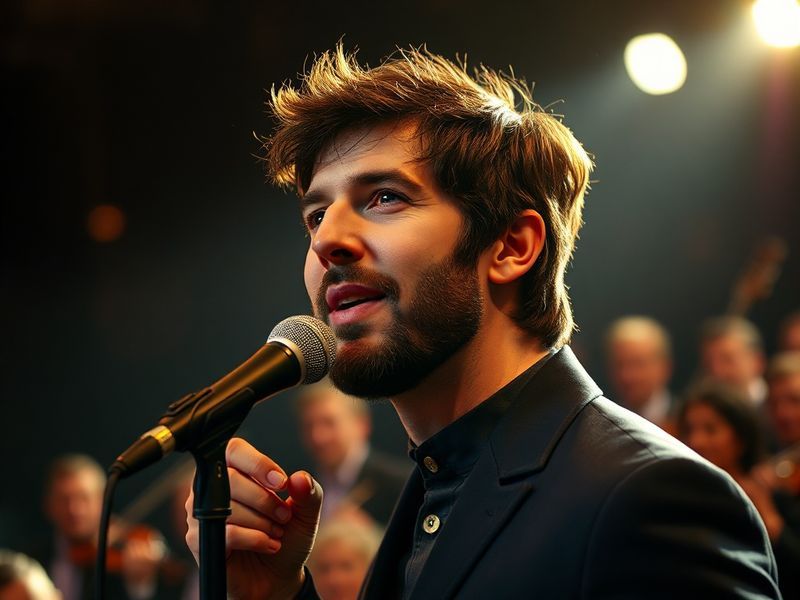
        <p>Groban’s live performances are equally notable. His 2023 “Stages” tour, celebrating his Broadway connections, showcased his growth as a performer. The setlist spanned decades of his career, from early hits to newer material, demonstrating his enduring connection to fans across generations.</p>

        <h3>Key Collaborations That Shaped His Career</h3>

        <p>Groban’s collaborations have often defined pivotal moments in his career. These partnerships not only expanded his artistic range but also introduced him to new audiences:</p>

        <ul>
            <li><strong>Barbra Streisand</strong> – Their 2002 duet “All I Know of Love” on her Duets album showcased Groban’s ability to hold his own alongside a legend.</li>
            <li><strong>Herbie Hancock</strong> – The 2005 jazz-infused album Possibilities featured Groban alongside Sting and Annie Lennox, highlighting his adaptability in genre-blending projects.</li>
            <li><strong>Christian Tetzlaff</strong> – Their 2010 collaboration on Illuminations demonstrated Groban’s commitment to classical crossover, earning critical acclaim in Europe.</li>
            <li><strong>Beatles Producer George Martin</strong> – Groban’s 2007 album Noël included a reimagining of “In My Life,” produced by Martin, further solidifying his place in pop-classical fusion.</li>
        </ul>

        <h2>Groban’s Role in Shaping Modern Vocal Performance</h2>

        <p>Groban’s success paved the way for a new wave of male vocalists who blend classical technique with contemporary styles. Artists like Adam Levine, Michael Bublé, and even operatic pop stars like Andrea Bocelli owe a debt to Groban’s pioneering approach. His influence is particularly evident in the rise of Broadway crossover stars like Lin-Manuel Miranda and Ben Platt.</p>

        <p>Beyond his music, Groban’s philanthropic work has left a lasting impact. Through his foundation, he has supported arts education programs in underserved communities. His involvement with organizations like the Los Angeles Philharmonic underscores his commitment to nurturing the next generation of artists.</p>

        <p>Groban’s cultural relevance extends to his television appearances. From The Oprah Winfrey Show to The Late Show with Stephen Colbert, he has used mainstream platforms to advocate for arts funding and education. These appearances reinforced his image as not just a performer, but a thought leader in the music industry.</p>

        <h2>The Future of Josh Groban’s Legacy</h2>

        <p>As Groban approaches his fifth decade in music, his legacy is secure. His ability to reinvent himself while maintaining authenticity has set a standard for longevity in the industry. Fans can expect continued innovation, whether through new recordings, live performances, or unexpected collaborations.</p>

        <p>Groban’s recent work in television, including his recurring role on The Good Fight, suggests he may further expand his artistic horizons. This willingness to explore new mediums mirrors the trajectory of other iconic artists who transitioned from music to acting, such as Jamie Foxx and Kristin Chenoweth.</p>

        <p>For a generation of listeners who grew up with his music, Groban remains a constant. His songs—whether holiday classics like “You Are the Reason” or emotional ballads like “To Where You Are”—continue to resonate. In an era where music fandom is increasingly fragmented, Groban’s universal appeal stands out.</p>

        <p>As he continues to perform and create, Groban’s influence will likely grow. He represents a rare blend of technical mastery and emotional connection, qualities that define the greatest artists. His career serves as a reminder that true artistry transcends trends and genres, leaving an indelible mark on culture.</p>

        <p>For those discovering his music for the first time, Groban’s catalog offers a gateway to both contemporary and classical sounds. His ability to make complex vocal techniques accessible ensures his music will endure for decades to come.</p>
    </article>

    <!-- Metadata -->