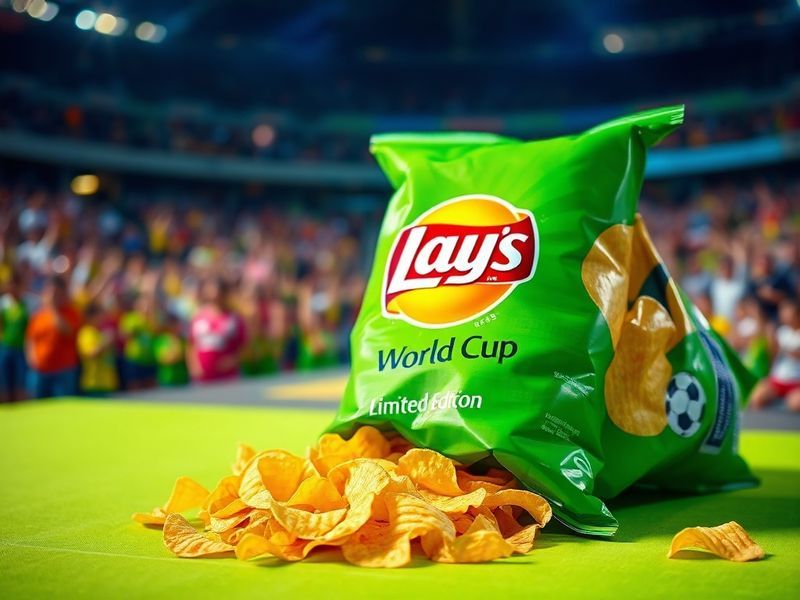
Since 1967, Lay’s has been a staple in pantries and lunchboxes worldwide. But few product lines have matched the cultural footprint of Lay’s World Cup chips, launched to celebrate the FIFA World Cup. These limited-edition chips blend flavor innovation with strategic marketing, turning a simple snack into a conversation piece across continents.
The Origins of Lay’s World Cup Campaigns
Lay’s first dipped its toe into World Cup marketing in the early 2000s, but it was the 2010 South Africa World Cup that marked a turning point. That year, Lay’s introduced regional flavors inspired by local cuisines—think Brazuca Hot Chicken for Brazil and Sweet Chili & Sour Cream for South Africa. The strategy wasn’t just about selling chips; it was about selling cultural connection.
By 2014 in Brazil, Lay’s doubled down. The brand launched a global “Do Us a Flavor” contest, where fans could vote on new chip flavors. One winner, Cheddar Jalapeño Poppers, became a staple in U.S. stores and later appeared in limited World Cup editions. This approach turned consumers into co-creators, deepening brand loyalty.
Why the World Cup Partnership Works
The timing aligns perfectly. The World Cup occurs every four years, creating natural urgency. Fans are emotionally invested in the event, making them more receptive to branded content. Lay’s leverages this by associating its products with celebration, competition, and national pride.
It’s not just about flavor—packaging plays a role too. Limited-edition World Cup bags feature bold designs, team colors, and player endorsements. In 2018, Lay’s partnered with stars like Neymar Jr. and Paul Pogba, integrating athlete imagery into chip bags sold in their home countries.
The Flavors: A Global Tasting Tour in a Bag
What makes Lay’s World Cup chips stand apart is their regional focus. Each tournament introduces flavors tailored to host nations or fan favorites. For the 2022 Qatar World Cup, Lay’s launched six limited-edition varieties:
- Argentinian Chimichurri – A tangy blend of parsley, garlic, and vinegar
- Mexican Taco – Spiced ground beef and nacho cheese notes
- Spanish Paprika – Smoked and sweet with a mild kick
- Moroccan Harissa – Fiery red pepper and garlic sauce
- Korean BBQ – Sweet and savory soy-glazed ribs flavor
- French Onion – Caramelized onion and herb seasoning
These aren’t random choices. Lay’s works with local culinary experts to ensure authenticity. The result is an edible souvenir—something fans can take home to relive the tournament’s energy.
The Science Behind the Flavors
Creating a chip flavor that resonates across cultures is tricky. Lay’s uses a combination of market research, sensory testing, and cultural analysis. For example, the Brazilian Feijoada flavor (introduced in 2014) blended black beans, pork, and spices—a taste of Brazil’s national dish. But it had to be mild enough for global palates.
This balancing act reflects a broader trend in food marketing: localization without dilution. Lay’s doesn’t just translate flavors; it remixes them for mass appeal while keeping enough authenticity to feel special.
Beyond the Bag: Lay’s World Cup Marketing Strategy
Lay’s doesn’t stop at chip bags. The brand integrates its World Cup campaign across multiple platforms, turning snacking into an immersive experience.
Digital Engagement and Social Media
On Instagram and TikTok, Lay’s encourages fans to share their World Cup chip pairings—like pairing Peruvian Lime chips with ceviche. The hashtag #LaysWorldCupFlavors has amassed millions of views, with users debating which flavor best represents their country.
In 2022, Lay’s launched an augmented reality (AR) filter on Snapchat that let users “try on” different World Cup chip flavors. The filter used AI to simulate taste reactions, from “spicy” to “savory.” It was a playful way to merge digital and physical experiences.
Retail and Distribution Strategy
Limited availability is key. Lay’s World Cup chips aren’t in stores year-round. They appear in major retailers like Walmart, Tesco, and Carrefour during the tournament window. This scarcity drives demand and makes the product feel exclusive.
In some countries, Lay’s partners with local distributors to create “fan bundles”—chip multipacks bundled with soda or dips. In Japan, for instance, chips were sold alongside World Cup-themed sauces, turning a snack into a meal kit.
Sustainability as a Silent Player
Even environmental concerns play a role. Since 2022, Lay’s has used compostable packaging for World Cup editions in select markets. The shift responds to fan feedback and aligns with FIFA’s sustainability goals. It’s a subtle but important part of the brand’s image.
What Lay’s World Cup Chips Tell Us About Global Consumer Culture
The success of Lay’s World Cup chips isn’t just a marketing win—it’s a case study in how brands can navigate globalization without losing local relevance. Here’s what it reveals about modern consumer behavior:
- Nostalgia and Ritual: For many fans, eating World Cup chips is part of the viewing ritual. It’s not just about the game; it’s about the snacks, the atmosphere, the shared experience. Brands that tap into ritual create stickiness.
- Cultural Currency: Flavors become conversation starters. Fans debate which chip best represents their team. This turns a product into a cultural artifact—something people talk about, not just consume.
- Digital-First Storytelling: Lay’s doesn’t rely on TV ads. It uses social media, AR, and influencer partnerships to make the campaign feel alive. The brand meets fans where they are—online and mobile.
- The Power of Scarcity: Limited-edition products create FOMO (fear of missing out). Lay’s uses this to drive urgency, ensuring that fans don’t just buy chips—they buy memories tied to the tournament.
- Inclusivity in Flavor: By offering regional varieties, Lay’s acknowledges diversity. It doesn’t force a single global flavor; it celebrates local tastes. This inclusivity resonates with a generation that values representation.
Yet, challenges remain. Not every flavor succeeds. Some fans criticize Lay’s for “watering down” authentic tastes to suit mass-market palates. Others argue the campaign is more about sales than cultural authenticity. But these criticisms are part of the conversation—proving that Lay’s has sparked more than just snack sales.
The Future of Sports Snack Marketing
As esports and virtual events grow, brands like Lay’s may expand beyond traditional sports. Imagine Lay’s partnering with the League of Legends World Championship or the Olympics. The model—regional flavors, digital engagement, limited drops—could easily translate into other arenas.
One thing is clear: Lay’s World Cup chips have redefined what it means to market a snack. It’s no longer just about taste. It’s about identity, community, and shared moments.
Final Thoughts
Lay’s World Cup chips are more than a limited-edition snack. They’re a cultural bridge, a digital experience, and a masterclass in localization. By blending flavor innovation with strategic storytelling, Lay’s has turned a simple chip bag into a global tradition.
As we look ahead to future tournaments, one question remains: Will Lay’s continue to push boundaries, or will it play it safe? If history is any indication, expect bold flavors, creative marketing, and a few surprises along the way.
For fans, it’s a delicious win. For marketers, it’s a blueprint.
And for the rest of us? It’s a reminder that the best products don’t just fill stomachs—they fill moments.