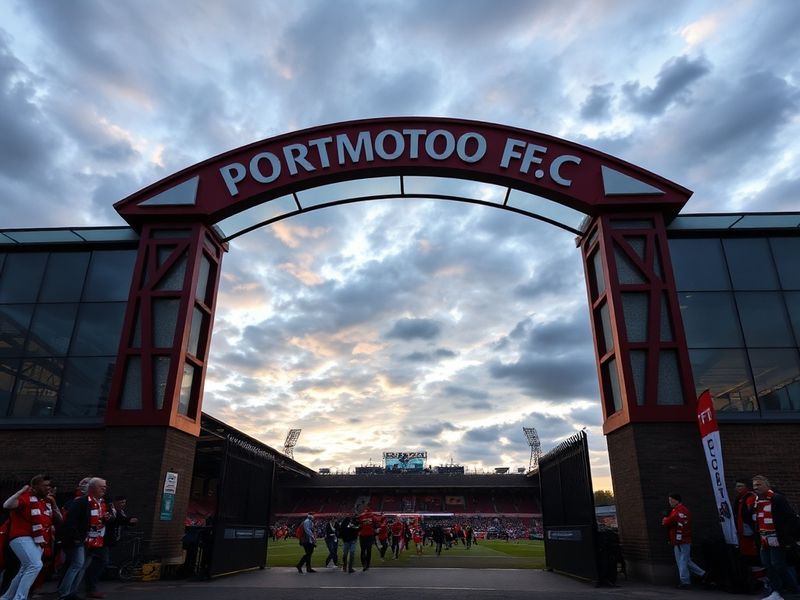
Pompey FC: A Club Steeped in Local Pride and Global Football Culture
Portsmouth Football Club, affectionately known as Pompey, is more than just a football team. It is an institution woven into the fabric of Portsmouth and a symbol of resilience that has echoed through generations of fans. Founded in 1898, Pompey has stood as a beacon of community spirit, enduring financial crises, relegations, and triumphs that have mirrored the city’s own ups and downs. The club’s ability to survive and thrive, even in the face of adversity, has earned it a reputation as one of English football’s most storied underdogs.
From its humble beginnings in the Southern League to its brief but memorable Premier League tenure, Pompey has cultivated a global fanbase that spans continents. The club’s unique identity is shaped by its deep-rooted connection to Portsmouth’s naval history, its working-class ethos, and a fan culture that is both passionate and unapologetically loyal. Whether playing at Fratton Park, the club’s historic home since 1899, or competing in lower league battles, Pompey’s story is one of perseverance, identity, and the unbreakable bond between a club and its community.
The Fratton Park Experience: A Cathedral of Football in the Modern Age
Frratton Park is more than just a stadium; it is a living museum of Pompey’s history and a testament to the club’s enduring legacy. Opened in 1899, the ground has witnessed countless iconic moments, from FA Cup triumphs to dramatic relegations. Its tight, atmospheric layout—with the famous “Fratton End” standing terrace—creates an unmistakable matchday atmosphere that has become a hallmark of Pompey’s identity.
The stadium’s location in the heart of Portsmouth adds to its charm. Unlike modern, corporate stadiums built on the outskirts of cities, Fratton Park sits within walking distance of the dockyard and naval base, reinforcing the club’s ties to the city’s maritime heritage. The ground’s modest capacity of around 20,000 belies its significance; it is a place where generations of fans have celebrated victories and endured defeats together.
In recent years, Fratton Park has undergone renovations to meet modern standards while preserving its historic character. The club’s commitment to maintaining its traditional identity, despite financial constraints, reflects a broader trend in football where authenticity often trumps commercialization. For Pompey fans, the ground remains a sacred space—a cathedral of football where memories are made and legacies are forged.
The Rise and Fall: Pompey’s Rollercoaster Journey Through the Leagues
Pompey’s history is a rollercoaster of highs and lows, a narrative that mirrors the unpredictable nature of football itself. The club’s golden era came in the early 2000s under the ownership of Milan Mandarić, a period that culminated in promotion to the Premier League in 2003. The team, managed by Harry Redknapp, played an exciting brand of football that captured the imagination of neutrals and established Pompey as a competitive force in the top flight.
The 2007-08 season marked Pompey’s crowning achievement: a 1-0 victory over Cardiff City in the FA Cup Final, securing the club’s second major trophy. The win was a testament to the team’s grit and determination, and it brought unparalleled joy to the club’s long-suffering fans. However, the euphoria was short-lived. Financial mismanagement, poor decisions, and the global financial crisis of 2008-09 plunged Pompey into crisis. The club was relegated from the Premier League in 2010 and entered administration, a dark chapter that threatened its very existence.
Yet, Pompey’s story is one of resilience. The club was saved by a fan-led consortium and began a slow climb back up the football pyramid. After years of struggle in League One and League Two, Pompey returned to the Championship in 2020, a testament to the unwavering belief of its supporters. The journey from administration to promotion highlights the club’s ability to overcome adversity—a theme that resonates deeply with fans who see their team as a reflection of their own struggles and triumphs.
Pompey’s Global Fanbase: A Community United by Passion and Pride
While Pompey may not be one of England’s wealthiest clubs, its fanbase is one of its greatest assets. The club’s global reach is a testament to the power of football to connect people across borders. Pompey Supporters’ Trust, one of the most prominent and organized fan groups in English football, has played a crucial role in the club’s survival and growth. The trust’s commitment to transparency and fan engagement has set a benchmark for supporter-owned clubs worldwide.
Pompey’s fanbase is diverse, spanning from the dockyard workers who have supported the club for generations to expatriates living in Australia, the United States, and beyond. The club’s annual pre-season tour to the United States, where thousands of fans travel to watch Pompey play, underscores the global appeal of this community-driven club. Social media has further amplified Pompey’s reach, with fan pages, podcasts, and forums keeping supporters connected no matter where they are.
The club’s identity is also shaped by its rivalry with Southampton, a clash that transcends mere competition. Known as the South Coast Derby, this fixture is steeped in local pride and cultural significance. For Pompey fans, beating Southampton is more than a three points; it’s a statement of identity in a region where football is deeply intertwined with community and history.
Looking Ahead: Pompey’s Path Forward
As Pompey continues to rebuild, the club faces both challenges and opportunities. Financial sustainability remains a concern, particularly in an era where football is increasingly dominated by wealthy owners and commercial interests. However, Pompey’s commitment to its fan-led model offers a refreshing alternative—a club where the supporters’ voice is not just heard but is central to its operations.
The club’s recent performances in the Championship have shown promise, with a blend of experienced professionals and young talents emerging through the ranks. The return of managers who understand the club’s ethos, such as Danny Cowley, has reignited hope among fans that Pompey can once again compete at higher levels. The challenge now is to build on this momentum while staying true to the values that have defined Pompey for over a century.
For those outside Portsmouth, Pompey FC offers a reminder of what football can and should be—a sport deeply rooted in community, history, and passion. In an era where football is often criticized for losing touch with its roots, Pompey stands as a beacon of authenticity. Its story is a testament to the power of resilience, the importance of fan engagement, and the enduring appeal of a club that refuses to be forgotten.
As the club moves forward, one thing is certain: Pompey’s journey is far from over. Whether it’s battling for promotion, competing in cup competitions, or simply bringing joy to its loyal supporters, Pompey FC remains a vital part of football’s global tapestry. For fans old and new, the club’s story is far from finished, and its legacy is still being written.
To explore more about the history of English football clubs and their cultural impact, visit our Sports section. For insights into how football clubs navigate financial challenges, check out our Analysis page.