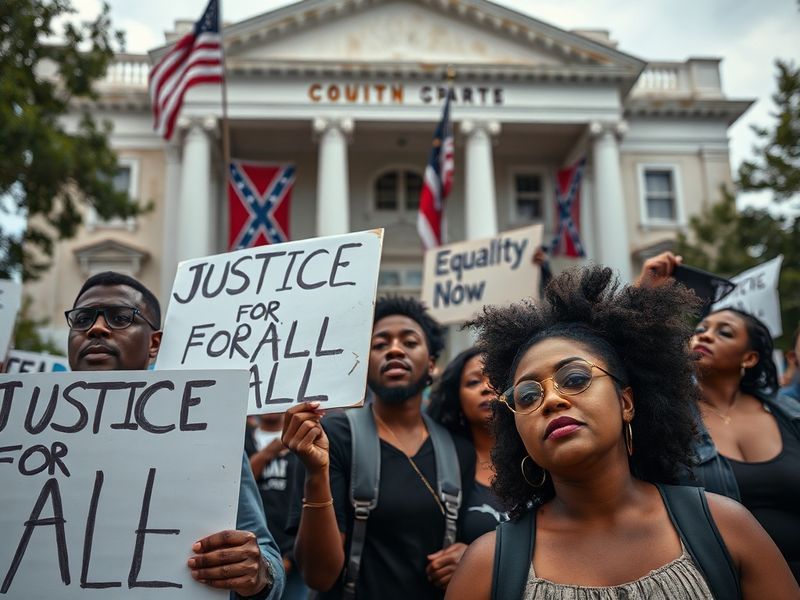
The Southern Poverty Law Center: Origins, Influence, and Global Reach
The Southern Poverty Law Center (SPLC) stands as one of the most recognizable—and controversial—human rights organizations in the United States. Founded in 1971 by civil rights attorneys Morris Dees and Joseph Levin Jr., along with civil rights leader Julian Bond, the SPLC emerged during a pivotal era in American history. Its mission was clear from the beginning: to combat hate and bigotry through legal action, education, and advocacy. Over five decades later, the organization has expanded its scope far beyond the American South, influencing global conversations about justice, equality, and the fight against extremism.
From Montgomery to the World: The SPLC’s Founding and Early Years
The SPLC was born out of necessity. In the early 1970s, the Civil Rights Movement had achieved landmark victories, including the Civil Rights Act of 1964 and the Voting Rights Act of 1965. Yet, resistance to racial equality persisted in the form of segregationist policies, violent resistance, and the rise of white supremacist groups. Alabama, particularly Montgomery, became a battleground for these tensions. The SPLC was created to challenge the remnants of Jim Crow laws and dismantle the financial networks supporting hate groups.
One of the SPLC’s earliest and most significant victories came in 1981 with the case Lyons v. Ku Klux Klan. The lawsuit targeted the United Klans of America for the 1981 lynching of Michael Donald, a Black teenager in Mobile, Alabama. The SPLC not only secured a $7 million judgment for Donald’s family but also bankrupted the KKK chapter responsible. This case set a precedent for holding hate groups financially accountable for violence—a strategy the SPLC continues to employ today.
Tracking Hate: The SPLC’s Intelligence Project and Cultural Impact
The SPLC’s Intelligence Project, launched in the 1980s, is perhaps its most visible contribution to public discourse. The project monitors hate groups and extremist organizations across the United States, publishing an annual report that categorizes these groups based on ideology, from white nationalists to anti-LGBTQ+ organizations. The SPLC’s Hate Map has become a go-to resource for journalists, researchers, and law enforcement agencies seeking to understand the landscape of domestic extremism.
However, the SPLC’s work extends beyond data collection. It has shaped cultural narratives around hate speech, racism, and bigotry. The organization’s classification of certain groups as “hate groups” has sparked debates about free speech versus accountability. Critics argue that the SPLC’s designations can be subjective, while supporters praise the organization for shining a light on dangerous ideologies. One notable example is the SPLC’s 2012 designation of the Family Research Council (FRC) as an anti-LGBTQ+ hate group. This move drew backlash from conservative organizations but also prompted discussions about the intersection of religion, politics, and human rights.
The SPLC has also played a role in influencing corporate policies. In 2015, the organization launched the Ten Ways to Fight Hate campaign, offering practical guidance for communities facing bigotry. This initiative reflects a broader shift in the SPLC’s approach: from purely legal battles to grassroots activism and public education. The campaign’s emphasis on community organizing has resonated globally, inspiring similar efforts in countries where hate speech and extremism are growing threats.
A Global Perspective: The SPLC’s Influence Beyond U.S. Borders
While the SPLC’s roots are firmly planted in the American South, its influence has spread internationally. The organization has collaborated with human rights groups in Europe, Africa, and Latin America to combat hate speech, xenophobia, and far-right extremism. For example, the SPLC has worked with organizations like Hatewatch UK to monitor the rise of far-right movements in post-Brexit Britain. In Eastern Europe, it has partnered with local NGOs to document the activities of neo-Nazi groups that have gained traction in countries like Hungary and Poland.
The SPLC’s global reach is not limited to Europe. In Latin America, the organization has supported efforts to counter anti-Indigenous and anti-LGBTQ+ violence. In Brazil, for instance, the SPLC has provided resources to activists documenting hate crimes against Afro-Brazilians and Indigenous communities. These collaborations highlight the SPLC’s role as a bridge between American civil rights strategies and global human rights movements.
However, the SPLC’s international work has not been without challenges. Cultural differences in how hate speech is defined and addressed have led to tensions. In some countries, laws against hate speech are stricter than in the U.S., raising questions about the SPLC’s approach to advocacy. Despite these challenges, the organization’s willingness to adapt its strategies to local contexts has strengthened its global credibility.
The Controversies and Criticisms Surrounding the SPLC
No discussion of the SPLC would be complete without addressing its controversies. The organization has faced criticism from both the left and the right. Conservative groups argue that the SPLC’s hate group designations are politically motivated and stifle free speech. In 2019, the SPLC faced backlash after reports surfaced of its co-founder, Morris Dees, being ousted amid allegations of racial and gender discrimination within the organization. The incident prompted soul-searching within the SPLC and led to leadership changes, including the appointment of its first Black president, Margaret Huang.
On the left, some critics argue that the SPLC has become too institutionalized, prioritizing fundraising and brand recognition over direct action. The organization’s annual revenue, which exceeds $100 million, has drawn scrutiny over how funds are allocated. While the SPLC spends a significant portion of its budget on legal advocacy and education, some question whether it could do more to support grassroots movements on the ground.
Despite these criticisms, the SPLC remains a powerful force in the fight against hate. Its ability to adapt to changing social and political landscapes has allowed it to remain relevant. Whether through high-profile lawsuits, educational initiatives, or global partnerships, the SPLC continues to shape the conversation about justice and equality.
The Future of the SPLC: Challenges and Opportunities
The SPLC’s future will likely be shaped by several key challenges. The rise of digital hate speech and online radicalization has forced the organization to expand its focus beyond traditional hate groups. Social media platforms like Facebook and Twitter have become breeding grounds for extremist ideologies, requiring new strategies to combat online toxicity. The SPLC has responded by launching initiatives like the Digital Hate project, which tracks and exposes online hate networks.
Another challenge is the growing influence of far-right movements worldwide. From the U.S. to Europe and beyond, far-right parties are gaining political power, often by stoking fears of immigration, multiculturalism, and globalization. The SPLC’s role in countering these movements will be crucial in the coming years. This will require not only legal action but also innovative approaches to community organizing and public education.
Despite these challenges, the SPLC has opportunities to expand its impact. One area of growth is its work with youth. The organization’s Teaching Tolerance program, launched in 1991, provides educators with resources to promote inclusivity in classrooms. As global education systems grapple with rising nationalism and intolerance, the SPLC’s educational tools could become even more vital. Additionally, the organization’s global partnerships offer a pathway to address hate on an international scale.
Conclusion: A Legacy of Fighting Hate, With Room to Grow
The Southern Poverty Law Center’s journey from a small office in Montgomery to a globally recognized human rights organization is a testament to its resilience and adaptability. Over the past five decades, the SPLC has played a pivotal role in shaping legal precedents, cultural narratives, and global conversations about hate and extremism. Its work has saved lives, bankrupted hate groups, and inspired countless activists around the world.
Yet, the SPLC is not without its flaws. Criticisms of its practices, controversies over its methods, and questions about its future direction remind us that no organization is above reproach. As the fight against hate evolves, so too must the SPLC. Whether through legal advocacy, digital campaigns, or grassroots organizing, the organization’s ability to innovate will determine its relevance in the decades to come.
For those committed to justice and equality, the SPLC remains a vital ally. Its story is one of perseverance, but also of the ongoing struggle to create a more inclusive world. As hate groups adapt to new technologies and political climates, the SPLC’s work is far from over. The question now is not whether the organization will continue to fight, but how it will rise to meet the challenges of the future.