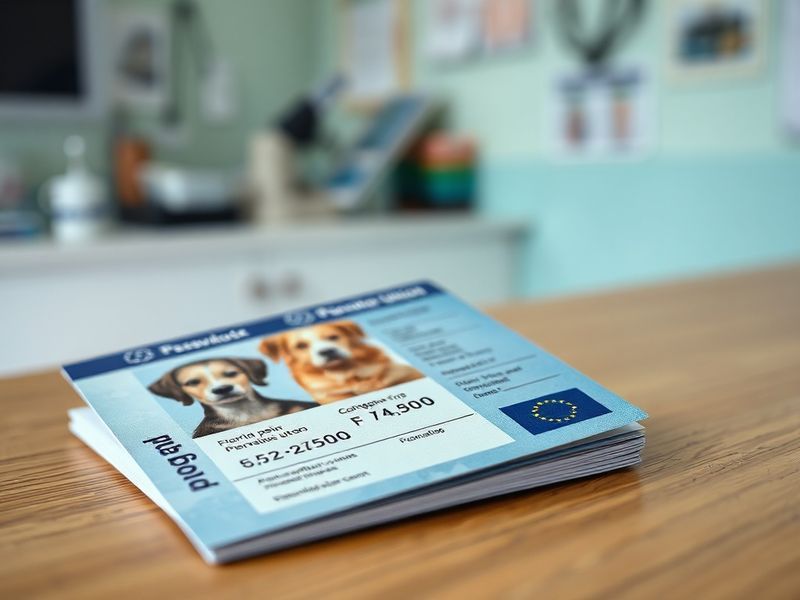
EU Pet Passports: Essential Guide for Traveling with Pets in Europe
“`html
Understanding the EU Pet Passport System
The EU Pet Passport system revolutionized how pet owners travel within Europe, creating a standardized approach to animal movement across borders. Introduced in 2004, this initiative aimed to simplify pet travel while maintaining strict health and safety standards. The passport serves as both a travel document and a health record, ensuring pets meet all necessary requirements before crossing borders.
At its core, the EU Pet Passport contains essential information about the animal, including microchip details, vaccination records (particularly rabies), and owner identification. This streamlined system eliminated the need for multiple health certificates during travel between EU member states. While the system has evolved since its inception, its primary purpose remains unchanged: to protect both pets and public health across Europe.
Key Components of an EU Pet Passport
The passport itself is a small blue booklet, similar in size to a human passport. Each contains several critical sections that must be completed by a licensed veterinarian:
- Animal Identification: Microchip number and location, along with a clear description of the pet
- Owner Details: Name, address, and contact information of the pet’s guardian
- Rabies Vaccination Record: Proof of vaccination with the exact date administered
- Microchip Verification: Confirmation that the microchip was implanted before or at the same time as the rabies vaccination
- Additional Treatments: Records of tapeworm treatments (required for certain destinations)
Eligibility and Requirements Across Europe
While the EU Pet Passport system provides consistency, individual countries maintain specific requirements that travelers must follow. The European Commission sets baseline regulations, but member states can impose additional restrictions based on local health concerns or animal welfare policies.
For instance, Finland and the United Kingdom historically maintained stricter rules regarding certain breeds, while Mediterranean countries like Spain and Italy focus more on seasonal health risks. Travelers should always check the destination country’s specific requirements before planning their trip, as these can change with little notice.
Special Considerations for Non-EU Countries
The EU Pet Passport system extends beyond the European Union’s borders through agreements with neighboring countries. Norway, Switzerland, Iceland, and Liechtenstein participate fully in the system. However, travel to other European countries requires additional documentation:
- UK: While no longer an EU member, the UK accepts EU Pet Passports as long as the rabies vaccination is current
- Turkey: Requires an official veterinary certificate in addition to the EU Pet Passport
- Serbia and Montenegro: Accept EU Pet Passports but may require additional treatments
- Russia and Ukraine: Have their own documentation systems, though EU Passports are sometimes accepted with extra verification
These variations highlight the importance of thorough research before international travel with pets. The Travel section on Dave’s Locker provides updated country-specific guidelines that travelers find invaluable.
Cultural Perspectives on Pet Travel in Europe
The EU Pet Passport system reflects Europe’s broader cultural attitudes toward companion animals. In countries like Germany and the Netherlands, where pet ownership is highly regulated, the passport system aligns with existing expectations for responsible animal care. These nations typically have lower rates of stray animals and higher standards for veterinary care, making the passport system a natural extension of existing practices.
In contrast, Southern European countries often have more relaxed attitudes toward pet documentation. While the EU regulations apply equally, enforcement varies significantly. In Italy and Greece, for example, street animals are more common, and the concept of strict pet documentation may be less familiar to some travelers. This cultural divide sometimes leads to confusion at border crossings, particularly when travelers from Northern Europe encounter different enforcement practices.
The Role of Veterinary Practices in Pet Travel
Veterinary clinics across Europe have adapted to the demands of the Pet Passport system, with many specializing in international travel documentation. In countries with high numbers of expatriates, such as France and Spain, veterinarians often have multilingual staff to assist foreign pet owners. This adaptation reflects the growing mobility of Europe’s population and the increasing importance of pets as family members.
Some veterinary practices have expanded their services to include travel consultations, microchipping, and even pet relocation assistance. This evolution demonstrates how the Pet Passport system has influenced the veterinary profession across the continent, creating new business opportunities while ensuring compliance with health regulations.
The Future of EU Pet Travel Regulations
The EU Pet Passport system continues to evolve as health standards and travel patterns change. One significant development has been the introduction of the EU Pet Travel Regulation (EU) 2016/429, which consolidates and updates previous legislation. This new regulation, implemented in stages since 2021, places greater emphasis on disease prevention and traceability.
Key changes include stricter rules on animal identification, expanded lists of diseases subject to control measures, and enhanced requirements for certain categories of pets. The regulation also addresses the growing concern of illegal pet trafficking, which has become more prevalent with the increase in online pet sales across Europe.
Digital Solutions and the Future of Pet Documentation
The digital transformation affecting all aspects of life has also reached pet travel documentation. Several EU countries have begun piloting digital pet passports that can be accessed via smartphone applications. These digital versions offer several advantages:
- Immediate access to vaccination records and health certificates
- Reduced risk of document loss or damage
- Faster processing at border crossings
- Easier updates and modifications by veterinarians
While the traditional paper passport remains the standard, these digital innovations suggest the direction of future regulations. The European Commission has indicated support for digital solutions that maintain security while improving efficiency in pet travel documentation.
Conclusion: Balancing Convenience and Responsibility
The EU Pet Passport system represents a successful balance between facilitating travel and protecting public health. Since its implementation, millions of pets have traveled safely across Europe, with the system proving adaptable to changing circumstances. While challenges remain, particularly regarding enforcement and cultural differences, the passport system has become an integral part of European pet ownership.
For travelers planning to move with pets or take extended vacations, understanding the requirements is essential. The system’s complexity underscores the importance of thorough preparation, from microchipping to vaccination schedules. As regulations continue to evolve, staying informed through reliable sources like Dave’s Locker ensures smooth travels for both pets and their owners.
The EU Pet Passport system demonstrates how thoughtful regulation can facilitate global mobility while maintaining high standards of animal welfare and public health. As Europe continues to integrate, this system serves as a model for other regions considering similar approaches to pet travel documentation.