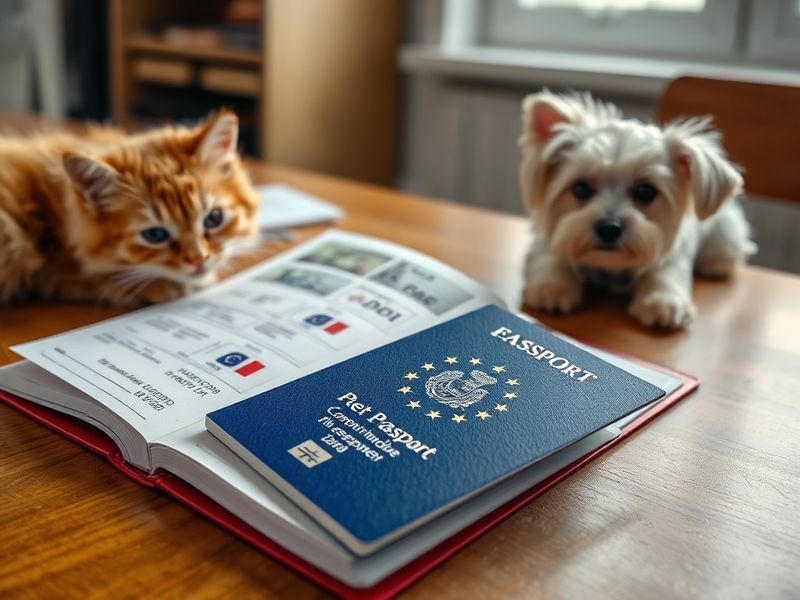
eu pet passports
“`html
EU Pet Passports: Your Guide to Hassle-Free Travel with Pets
The EU Pet Passport system has become an essential tool for travelers who want to bring their pets along on European adventures. Introduced to streamline cross-border pet movement, these passports simplify the process of verifying vaccination records and microchip identification. Whether you’re planning a weekend trip or a long-term relocation, understanding the requirements can save you time and stress at border checks.
Since the UK’s departure from the EU, the rules have evolved, creating new considerations for British pet owners. The system relies on strict health protocols to prevent the spread of rabies and other diseases. Pet passports issued in the EU are recognized across member states, but third-country passports must meet specific criteria. This guide breaks down everything you need to know about EU pet passports in 2024.
What Is an EU Pet Passport?
An EU Pet Passport is an official document that records a pet’s microchip number, rabies vaccination details, and other health information. It serves as a universal health certificate that allows pets to travel freely within the EU and between EU member states and listed non-EU countries. The passport is issued by a licensed veterinarian and must be carried during travel.
The document replaced older health certificates that required separate paperwork for each trip. Now, pets with valid passports can cross borders without additional forms, provided all vaccinations are up to date. This system was implemented under EU Regulation 576/2013, which standardizes pet travel rules across the continent.
Pet owners often confuse the EU Pet Passport with the Animal Health Certificate (AHC), which is required for pets entering the EU from non-listed countries like the UK. While both serve similar purposes, the passport is for pets already traveling within the EU, while the AHC is a one-time certificate for entry.
How to Obtain an EU Pet Passport
Getting an EU Pet Passport requires a few key steps, beginning with microchipping your pet. The microchip must meet ISO standards (11784/11785) and be implanted before the rabies vaccination. Once your pet is microchipped, you can schedule a vaccination appointment with a licensed vet.
The rabies vaccination is mandatory and must be administered at least 21 days before travel. After vaccination, the vet will record the details in the passport. Some countries may require additional vaccinations or treatments, such as tapeworm medication for dogs entering certain regions.
If you’re traveling from the UK, you’ll need to apply for an Animal Health Certificate (AHC) instead of a passport. This certificate is valid for four months and covers a single trip or multiple entries within that period. After arrival in the EU, you can apply for a pet passport if you plan to stay long-term.
To apply for an EU Pet Passport, visit a veterinarian in any EU country. The cost varies but typically ranges from €50 to €150, depending on the vet and additional services required. Some countries, like France and Germany, have stricter requirements, so always check local regulations before traveling.
Traveling Within the EU vs. Entering from Outside
Pets traveling within the EU enjoy the most straightforward process. If your pet already has an EU Pet Passport, you only need to ensure the rabies vaccination is current. No additional paperwork is required for intra-EU travel, making it ideal for road trips or short vacations.
However, entering the EU from a non-EU country like the UK, USA, or Canada introduces more complexity. Travelers must obtain an Animal Health Certificate (AHC) from a vet no more than 10 days before departure. The AHC must be endorsed by the relevant authorities and presented at border control.
For pets entering the EU from the UK, the process includes:
- Microchipping with an ISO-compliant chip
- Rabies vaccination at least 21 days before travel
- Tapeworm treatment for dogs (administered 1-5 days before entry)
- Animal Health Certificate (AHC) issued by a UK vet
- Microchip and AHC verification at EU border control
Once in the EU, pet owners can apply for an EU Pet Passport if they plan to stay long-term or make future trips. The AHC serves as a temporary solution but is not renewable, so obtaining a passport is recommended for frequent travelers.
Common Challenges and How to Avoid Them
Despite the streamlined process, travelers often encounter issues at border crossings. One of the most common problems is outdated vaccinations. Pet passports must reflect current rabies shots, and some countries require booster shots every 1-3 years, depending on the vaccine type.
Another frequent issue is microchip compatibility. If your pet’s microchip isn’t ISO-compliant, you may need to bring a compatible reader or apply for a new microchip. Always check your pet’s microchip number against the ISO standards before traveling.
For travelers using the AHC system, timing is critical. The certificate is only valid for 10 days from issuance, so plan your trip accordingly. Missing the validity window can result in denied entry or additional vet visits abroad.
Some EU countries have additional restrictions. For example, Finland and Malta require tapeworm treatment for all pets entering their borders, even if they’re coming from another EU country. Always research your destination’s specific rules to avoid last-minute surprises.
Future Changes and What to Watch
The EU is gradually expanding its pet travel regulations to include more species and stricter monitoring. Future updates may require digital passports or blockchain-based tracking to enhance security and reduce fraud. These changes aim to make the system even more efficient while maintaining high health standards.
Another area of development is the recognition of non-EU countries. The EU regularly updates its list of approved countries, and recent changes have included stricter requirements for pets entering from high-risk regions. Staying informed about these updates can prevent travel disruptions.
For pet owners in the UK, the post-Brexit landscape continues to evolve. The UK government is negotiating new agreements with the EU to simplify pet travel, but for now, the AHC system remains in place. Keeping an eye on official government updates will help you stay ahead of any changes.
As travel becomes more accessible, the demand for pet-friendly destinations is growing. The EU Pet Passport system plays a crucial role in facilitating this trend, ensuring that pets can accompany their owners safely and legally. Whether you’re planning a short trip or a permanent move, understanding these rules is essential for a smooth journey.
Final Thoughts
The EU Pet Passport system is a well-designed solution for travelers who want to bring their pets along. While the rules can seem complex at first, proper preparation ensures a hassle-free experience. From microchipping to vaccinations, each step is designed to protect both pets and public health.
For those traveling frequently, investing in an EU Pet Passport is a smart choice. It eliminates the need for repeated health certificates and simplifies border crossings. Even if you’re only visiting for a short time, understanding the requirements can save you time and stress.
As regulations continue to evolve, staying informed is key. Check official EU and government websites regularly, and consult your vet before any trip. With the right preparation, traveling with your pet can be as easy as packing their favorite toy.
For more insights on pet travel and other trending topics, explore our Travel and News sections. Safe travels to you and your furry companion!
—
METADATA
{
“title”: “EU Pet Passports Explained: Rules for Traveling with Pets in 2024”,
“metaDescription”: “Learn how to get an EU Pet Passport, requirements for travel, and differences for UK pets post-Brexit in this essential guide.”,
“categories”: [“Travel”, “News”],
“tags”: [“EU Pet Passport”, “pet travel rules”, “rabies vaccination”, “Animal Health Certificate”, “pet travel post-Brexit”],
“imageDescription”: “A golden retriever wearing a travel harness sits in a car with a scenic European countryside in the background. The dog’s EU Pet Passport is visible in the holder on the dashboard, with a microchip scanner and vaccination records in view. The scene conveys adventure, safety, and preparation for pet-friendly travel.”
}
—END METADATA—
“`