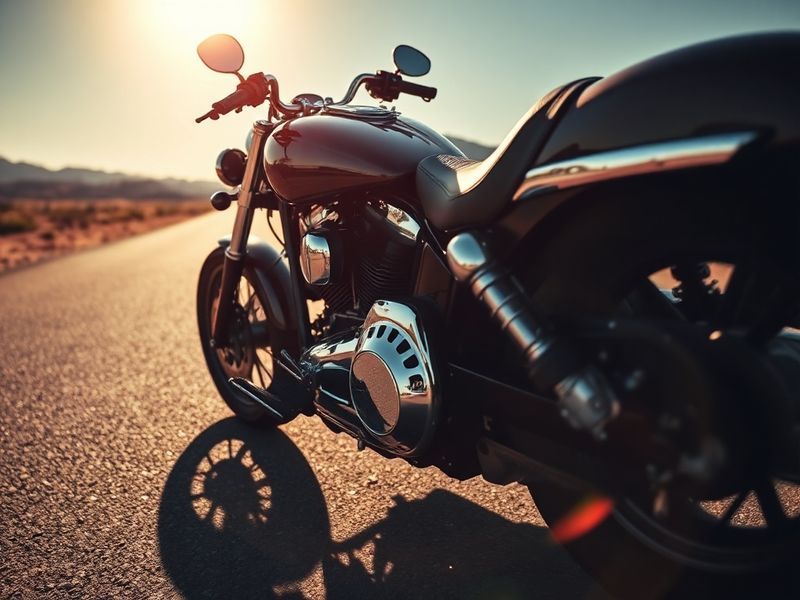
For over a century, Harley-Davidson has stood as an American icon, synonymous with rebellion, freedom, and the open road. What began in a small Milwaukee shed in 1903 has grown into a global phenomenon, shaping motorcycle culture and engineering standards around the world. The brand’s signature thump of its V-twin engines and the unmistakable silhouette of its motorcycles have become cultural shorthand for adventure and individualism.
But Harley-Davidson is more than just a motorcycle manufacturer. It’s a lifestyle, a community, and a symbol of perseverance through economic shifts, technological revolutions, and changing consumer tastes. From its humble beginnings to its current lineup of electric and traditional bikes, the company has continuously evolved while staying true to its roots. This is the story of Harley-Davidson—not just as a brand, but as a living testament to American ingenuity and the enduring appeal of the open road.
The Birth of a Legend: From a Shed to the Open Road
Harley-Davidson traces its origins to the summer of 1903, when 20-year-old William S. Harley and 21-year-old Arthur Davidson drafted plans for a motorized bicycle in a 10×15-foot wooden shed. The prototype was a far cry from the polished machines of today. It featured a 7.07 cubic-inch engine with a bore of 4.125 inches and a stroke of 3.50 inches, producing just 3 horsepower. The first Harley-Davidson motorcycle, built with the help of Arthur’s brothers Walter and William A. Davidson, could reach a top speed of 25 mph.
By 1906, the company had outgrown the shed and moved to a larger factory. The next year, Harley-Davidson introduced its first V-twin engine, a design that would become the brand’s signature. This innovation doubled the bike’s power output, setting the stage for the company’s future dominance in the motorcycle industry. The early years were marked by racing success, with Harley-Davidson motorcycles winning endurance runs and hill climbs, proving their reliability and performance.
The outbreak of World War I solidified Harley-Davidson’s reputation. The U.S. military purchased over 20,000 motorcycles from the company, using them for messenger service, reconnaissance, and even as mobile machine gun platforms. This wartime service introduced Harley-Davidson to a global audience and cemented its place in military history. By the end of the war, the company had produced more than 50,000 motorcycles, establishing itself as a leader in the industry.
The Rise of the Harley Culture: More Than Just Motorcycles
Harley-Davidson’s appeal extends far beyond the mechanical prowess of its bikes. The brand has cultivated a devoted following known as the Harley Owners Group (H.O.G.), founded in 1983. This global community of riders organizes events, rallies, and charity rides, creating a sense of camaraderie among Harley enthusiasts. The H.O.G. program has grown to include over one million members worldwide, reflecting the deep emotional connection riders feel toward the brand.
The Harley lifestyle is defined by more than just the act of riding. It’s about the freedom of the open road, the thrill of the journey, and the bond formed with fellow riders. Harley-Davidson’s marketing has long tapped into this ethos, using slogans like “Live to Ride” and “American by Birth. Rebel by Choice” to reinforce its image as a symbol of individualism and adventure. This cultural identity has transcended generations, attracting riders from all walks of life.
One of the most distinctive aspects of Harley culture is the customization scene. Riders often modify their bikes with aftermarket parts, creating unique machines that reflect their personal style. From chrome accents to custom paint jobs, the world of Harley customization is a vibrant subculture of its own. Events like the Sturgis Motorcycle Rally in South Dakota and the Daytona Bike Week in Florida celebrate this culture, drawing hundreds of thousands of attendees each year.
- H.O.G. Membership: The Harley Owners Group offers exclusive benefits, including roadside assistance, event access, and a global network of fellow riders.
- Rally Culture: Events like Sturgis and Daytona are not just about riding; they’re about music, food, and camaraderie, with vendors and performers adding to the experience.
- Customization: Harley owners often treat their bikes as canvases, with custom shops offering everything from subtle tweaks to full restomods.
- Merchandise: The Harley-Davidson lifestyle extends to apparel, accessories, and collectibles, allowing fans to express their allegiance even when they’re off the bike.
Engineering Milestones: How Harley-Davidson Shaped Motorcycle Design
Harley-Davidson’s influence on motorcycle engineering is undeniable. The company has been responsible for numerous innovations that have become industry standards. One of the most significant was the introduction of the 45-degree V-twin engine in 1936, which became the hallmark of Harley-Davidson motorcycles. This design offered a balance of power, torque, and smooth operation, setting Harley apart from competitors.
In the 1950s, Harley-Davidson pioneered the use of hydraulic valve lifters, improving engine reliability and reducing maintenance. The company also introduced the Panhead engine in 1948, featuring aluminum heads for better cooling and performance. These advancements helped Harley-Davidson maintain its dominance in the motorcycle market during a time when European bikes were gaining popularity.
The 1980s brought another major shift with the introduction of the Evolution engine. Developed in response to financial struggles and increasing competition, the Evolution V-twin was lighter, more powerful, and more reliable than its predecessors. It became the backbone of Harley-Davidson’s lineup for decades and is still used in some models today. The Evolution engine’s success was a turning point for the company, helping it regain its footing in the market.
More recently, Harley-Davidson has embraced electric technology with the launch of the LiveWire, its first production electric motorcycle. Introduced in 2019, the LiveWire represents the company’s commitment to innovation and sustainability. With instant torque, minimal maintenance, and zero emissions, the LiveWire appeals to a new generation of riders while retaining the brand’s signature riding experience.
Challenges and Comebacks: Navigating a Changing World
Despite its storied history, Harley-Davidson has faced its share of challenges. The 1970s and 1980s were particularly tough, as the company struggled with quality control issues, financial losses, and increased competition from Japanese manufacturers like Honda and Yamaha. The acquisition by AMF in 1969 led to cost-cutting measures that compromised the brand’s reputation for durability. By the mid-1980s, Harley-Davidson was on the brink of collapse.
The turning point came in 1981 when a group of thirteen investors, led by Vaughn Beals and Willie G. Davidson, orchestrated a leveraged buyout to regain control of the company. This move allowed Harley-Davidson to focus on quality and innovation once again. The introduction of the Evolution engine and the launch of the Softail model in 1984 revitalized the brand, helping it regain its position as a leader in the motorcycle industry.
In the 2000s, Harley-Davidson faced another set of challenges, including fluctuating gas prices, an aging customer base, and the global financial crisis. Sales declined sharply, prompting the company to rethink its strategy. Harley-Davidson responded by expanding its product lineup to include lighter, more agile models like the Street series and the Sportster, aimed at attracting younger riders. The company also increased its focus on international markets, particularly in Europe and Asia, where demand for motorcycles was growing.
However, the most significant shift came with the launch of the LiveWire and Harley-Davidson’s push into electric mobility. The company has committed to making 50% of its global motorcycle lineup electric by 2030, signaling a bold new direction for the brand. This move reflects Harley-Davidson’s willingness to adapt to changing consumer preferences while staying true to its core identity.
A Lasting Legacy: Why Harley-Davidson Endures
Harley-Davidson’s longevity can be attributed to its ability to balance tradition with innovation. The company has stayed true to its roots by preserving the classic designs and engineering philosophies that have defined its motorcycles for generations. Yet, it has also embraced change, whether through the adoption of new technologies or the expansion into new markets. This duality has allowed Harley-Davidson to remain relevant across decades and cultural shifts.
The brand’s emotional resonance is another key to its success. Harley-Davidson motorcycles are more than just vehicles; they’re symbols of freedom, adventure, and self-expression. This emotional connection is what inspires riders to tattoo the Harley-Davidson logo on their bodies, spend thousands on customizations, and travel the world to attend rallies. The company understands that it’s not just selling a product—it’s selling an experience.
Looking ahead, Harley-Davidson faces both opportunities and challenges. The shift toward electric motorcycles represents a major transition, one that will require significant investment and consumer education. However, the company’s strong brand equity and loyal customer base provide a solid foundation for this new chapter. As Harley-Davidson continues to evolve, one thing is certain: the legend of the open road will endure, just as the roar of a Harley-Davidson engine will always echo through the hearts of riders.
Whether you’re a lifelong Harley enthusiast or someone discovering the brand for the first time, there’s no denying the impact of this American icon. From its humble beginnings in a Milwaukee shed to its current status as a global phenomenon, Harley-Davidson is more than a motorcycle manufacturer—it’s a symbol of freedom, innovation, and the unbreakable spirit of the open road.