The vast majority of goods that fill our shelves, stock our warehouses, and fill our homes arrive by sea. Cargo ships, the unsung workhorses of the global economy, transport over 90% of the world’s trade by volume. They are the invisible arteries of modern commerce, connecting continents, cultures, and economies in ways that often go unnoticed. From the bustling ports of Shanghai to the quiet docks of Rotterdam, these vessels carry everything from raw materials to finished products, fueling industries and livelihoods across the planet.
Yet, despite their central role in global trade, cargo ships remain shrouded in mystery for many. What are the different types of vessels that crisscross our oceans? How do they navigate the complex web of international regulations? And what challenges do they face in an era of climate change and geopolitical tension? This article explores the world of cargo ships, revealing their history, their modern-day operations, and their evolving role in a rapidly changing world.
The Evolution of Cargo Shipping: From Wooden Hulls to Megaships
The history of cargo shipping stretches back thousands of years, tracing a path from the earliest wooden boats to today’s colossal steel vessels. The first cargo ships were simple sailing vessels used by ancient civilizations to transport goods like grain, pottery, and spices. The Phoenicians, for example, established trade routes across the Mediterranean as early as 1500 BCE, laying the foundation for global commerce.
The 19th century brought a revolution with the advent of steam-powered ships and iron hulls, which dramatically increased speed and capacity. The introduction of the shipping container in the mid-20th century was another turning point. Standardized steel containers allowed for efficient loading and unloading, reducing costs and accelerating trade. Today, the largest cargo ships—known as ultra-large container vessels—can carry over 24,000 containers, dwarfing the ships of just a few decades ago.
This evolution hasn’t been without its challenges. The shift from sail to steam, and later from manual labor to automation, has reshaped the workforce and the environmental footprint of the industry. As ships grew larger, so did their environmental impact, raising questions about sustainability and the future of maritime trade.
Types of Cargo Ships: A Diverse Fleet for Every Need
The modern fleet of cargo ships is as diverse as the goods they carry. Each type of vessel is designed to meet specific demands, whether it’s transporting liquid cargo, heavy machinery, or perishable goods. Here’s a breakdown of the most common types of cargo ships and their roles in global trade:
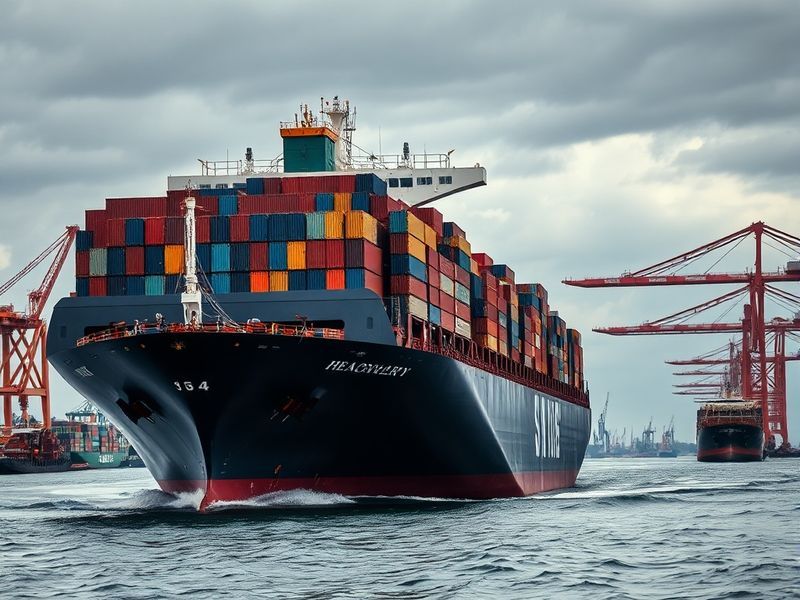
- Container Ships: The backbone of global trade, these vessels carry standardized containers stacked high on their decks. They dominate routes between major ports and are responsible for transporting everything from electronics to clothing. The largest container ships, like the Ever Ace, can stretch over 400 meters in length—longer than the Empire State Building is tall.
- Bulk Carriers: Designed to transport unpackaged bulk goods like coal, iron ore, and grain, these ships have large, open cargo holds. They are essential for industries that rely on raw materials, such as steel production and power generation.
- Tankers: Specialized for liquid cargo, tankers come in various sizes and types, including oil tankers, chemical tankers, and liquefied natural gas (LNG) carriers. The largest oil tankers, known as ultra-large crude carriers (ULCCs), can hold over 400,000 deadweight tons of oil.
- Roll-on/Roll-off (RoRo) Ships: These vessels are designed to carry wheeled cargo, such as cars, trucks, and trailers. They feature ramps that allow vehicles to be driven on and off the ship, making them ideal for the automotive industry.
- Reefer Ships: Equipped with refrigeration units, these ships transport perishable goods like fruits, vegetables, and frozen foods. They play a critical role in the global food supply chain, ensuring that fresh produce reaches markets in distant continents.
Each type of ship is built to withstand the harsh conditions of the open sea while maximizing efficiency. The design and technology behind these vessels reflect the ingenuity of maritime engineering and the ever-changing demands of global trade.
The Challenges of Modern Maritime Trade
The cargo shipping industry operates in a complex and often turbulent environment. Geopolitical tensions, regulatory hurdles, and environmental concerns are just a few of the challenges that shape its future. One of the most pressing issues is the environmental impact of shipping. Cargo ships are responsible for nearly 3% of global greenhouse gas emissions, a figure that could rise as trade volumes increase. The industry is under pressure to adopt cleaner fuels, such as liquefied natural gas (LNG) and hydrogen, as well as to improve energy efficiency through innovations like wind-assisted propulsion and optimized hull designs.
Another challenge is the concentration of trade routes in key chokepoints, such as the Strait of Malacca, the Suez Canal, and the Strait of Hormuz. These narrow waterways are critical to global trade but are vulnerable to geopolitical conflicts, piracy, and accidents. The blockage of the Suez Canal by the Ever Given in 2021, which held up billions of dollars in trade, highlighted the fragility of these routes and the need for diversified shipping lanes.
The industry also faces labor shortages and changing workforce dynamics. Automation and digitalization are transforming roles on board ships, reducing the need for crew while increasing the demand for specialized technical skills. At the same time, the COVID-19 pandemic exposed vulnerabilities in supply chains, including port congestion and labor disruptions, underscoring the need for resilience and adaptability.
The Cultural and Economic Impact of Cargo Ships
Beyond their economic significance, cargo ships have left an indelible mark on global culture. Port cities like Rotterdam, Singapore, and Shanghai have grown into multicultural hubs shaped by the constant flow of goods and people. These cities are melting pots of languages, cuisines, and traditions, reflecting the diverse origins of the crews and the cargo they carry.
The maritime industry has also inspired art, literature, and film. From Joseph Conrad’s The Nigger of the “Narcissus” to the blockbuster Captain Phillips, stories of life at sea captivate audiences worldwide. Even video games like Assassin’s Creed IV: Black Flag and Sea of Thieves draw on the allure of exploration and adventure that defines maritime culture.
Moreover, cargo ships play a vital role in humanitarian efforts. During crises such as natural disasters or pandemics, these vessels are often the first to deliver aid and supplies to affected regions. Their ability to transport large quantities of goods quickly and efficiently makes them indispensable in times of need.
As the world continues to grapple with climate change, geopolitical instability, and supply chain disruptions, the role of cargo ships will only grow more critical. These silent giants are not just vessels of trade; they are symbols of global connectivity and resilience. By understanding their history, challenges, and cultural significance, we gain a deeper appreciation for the invisible threads that bind our world together.
For those interested in the intersection of technology and global trade, explore our Technology section for more insights into how innovation is reshaping industries. To learn about the environmental efforts driving change in maritime trade, check out our Science coverage.
The next time you unbox a package or unpack groceries, take a moment to consider the journey those goods have taken. Behind every product lies a story of human ingenuity, perseverance, and the relentless march of global commerce.