Prime Minister’s Questions: A Weekly Ritual of British Political Theatre
Since its inception in 1961, Prime Minister’s Questions (PMQs) has evolved into one of the most unmistakable fixtures of British political life. Held every Wednesday when Parliament is sitting, it offers opposition leaders a singular platform to challenge the Prime Minister directly. Under Keir Starmer’s tenure, PMQs has taken on new significance, reflecting shifts in public trust, media scrutiny, and the broader cultural mood in the United Kingdom.
Unlike many parliamentary traditions rooted in centuries-old customs, PMQs is a relatively modern invention. Introduced by Prime Minister Harold Macmillan, it replaced the less formalized practice of MPs questioning ministers. Over time, it has become a televised spectacle—part jousting match, part national viewing event. For many Britons, watching PMQs is less about policy detail and more about performance: tone, body language, and the art of the put-down.
How PMQs Functions in the British Political System
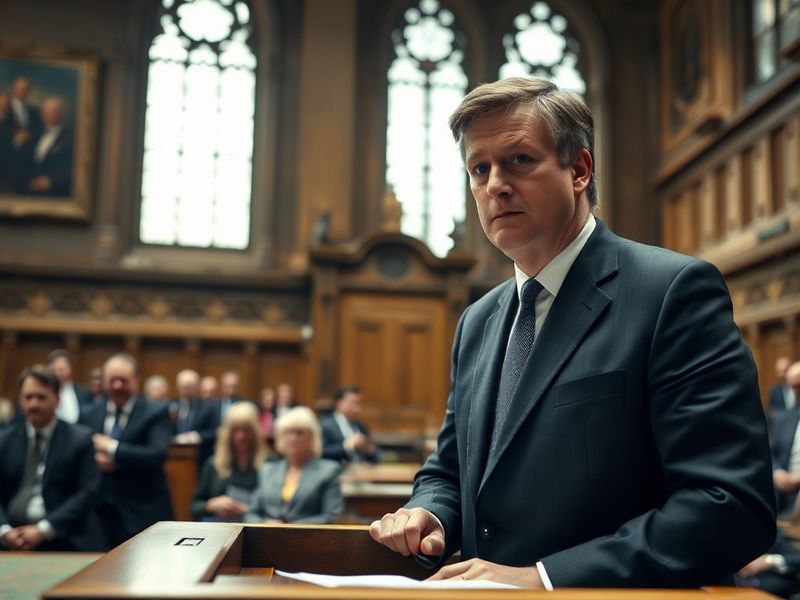
PMQs operates within a tightly choreographed structure. The Prime Minister and Leader of the Opposition face each other across the Commons chamber, each allowed six questions in a 30-minute session. Backbenchers may also ask supplementary questions, often used to amplify party messaging or test departmental responses.
The format is deceptively simple but psychologically intense. A single sharp question can unravel a policy line or expose a contradiction. Equally, a well-timed deflection or rehearsed soundbite can shore up political credibility—at least in the short term. For Keir Starmer, PMQs is both a weekly test and a strategic tool, allowing him to project authority while undermining government claims.
It’s worth noting that PMQs is uniquely British in its adversarial nature. Other parliamentary systems, such as Canada’s or Australia’s, have adopted similar formats, but none have embraced the performative, almost gladiatorial edge that defines PMQs in Westminster. This reflects a deeper cultural preference in the UK for direct confrontation as a means of democratic accountability.
The Media’s Role in Amplifying PMQs
No analysis of PMQs would be complete without acknowledging the media’s role in shaping its public perception. Clips from PMQs regularly dominate news bulletins, trending on social platforms and fueling viral moments. A single phrase—whether a zinger from Starmer or a stumble from the PM—can ricochet across Twitter, TikTok, and broadcast news within minutes.
This media amplification has transformed PMQs from a parliamentary ritual into a cultural touchstone. In an era of soundbite politics, it offers a rare live window into the personalities behind the policies. Journalists and commentators dissect tone, facial expressions, and rhetorical strategy with the same intensity once reserved for sports punditry.
It’s also a reminder of how political communication has evolved globally. While other democracies rely on press conferences or policy papers, the UK leans into the drama of live confrontation. This reflects a broader cultural fascination with political theatre—a theme seen in everything from US presidential debates to viral moments in Indian parliamentary sessions.
For Keir Starmer, this spotlight is a double-edged sword. Media coverage can elevate his profile, but it also invites constant scrutiny of his composure, fluency, and leadership presence. A shaky performance risks undermining his authority, while a strong one reinforces his image as a steady hand in turbulent times.
Cultural Significance: PMQs as Public Ritual
Beyond its political function, PMQs has become a form of public ritual—one that reflects broader societal attitudes toward leadership and authority. In an age of declining trust in institutions, PMQs offers a weekly reminder of democracy in action, however imperfect.
It also serves as a cultural touchstone for British identity. Whether viewed in pubs, offices, or living rooms, PMQs unites disparate audiences around a shared moment of political engagement. In this way, it mirrors other national rituals, from the State of the Union in the US to Diwali celebrations in India—each reinforcing communal bonds through shared experience.
For younger generations, PMQs may feel outdated or performative. Surveys suggest growing disillusionment with traditional politics, particularly among those who consume news through social media rather than parliamentary broadcasts. Yet, its endurance speaks to something deeper: the human fascination with power, confrontation, and the performance of leadership.
What to Watch for in Keir Starmer’s PMQs Strategy
Starmer’s approach to PMQs has been marked by discipline and restraint. Unlike his predecessor, Boris Johnson, who thrived on chaos and improvisation, Starmer favors structured responses and long-term messaging. This reflects a broader shift in Labour’s strategy—prioritizing competence over charisma.
At PMQs, this translates into a focus on clarity and accountability. Starmer often uses questions to highlight government failures, whether on NHS waiting lists, economic stagnation, or public sector pay. His tone is measured, but his intent is sharp: to contrast Labour’s “seriousness” with Conservative disarray.
Yet, the challenge remains. While Starmer may win tactical exchanges, public trust is built over time. PMQs can expose weaknesses, but it rarely changes minds on its own. For lasting impact, his government will need to pair rhetorical skill with tangible results—a task that grows harder in a polarized media landscape.
As global politics grows more volatile, the stakes of PMQs have risen. From rising inflation to geopolitical tensions, the questions posed in the Commons resonate far beyond Westminster. In this context, PMQs is not just a British ritual—it’s a microcosm of how democracy navigates crisis, scrutiny, and public expectation.
Conclusion: PMQs in a Changing Political World
Prime Minister’s Questions remains a defining feature of British politics, not because it always delivers answers, but because it forces accountability in real time. Under Keir Starmer, it has taken on new weight—a platform to project stability in an era of uncertainty.
Yet its future is not guaranteed. As younger audiences turn to alternative sources of news and entertainment, the cultural relevance of PMQs may wane. Its survival will depend on its ability to adapt—whether through digital engagement, cross-party reform, or a renewed emphasis on substance over spectacle.
One thing, however, is certain: as long as Westminster stands, PMQs will endure. In an age of short attention spans and viral noise, it offers a rare space for direct, unfiltered political exchange. Whether it continues to inspire, irritate, or intrigue may depend less on the questions asked, and more on the answers given.