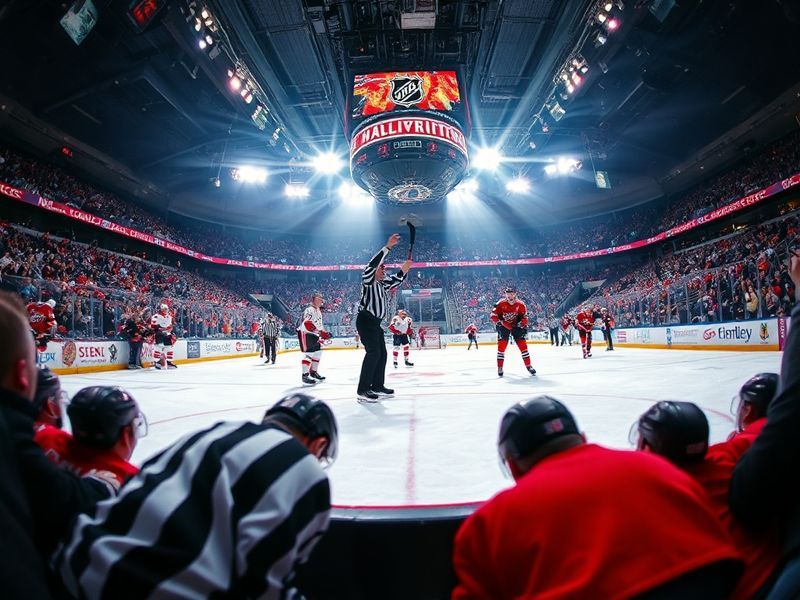
NHL Playoff Overtime Rules: How Sudden Death Works in the Postseason
“`html
NHL Playoff Overtime Rules: What You Need to Know
The National Hockey League’s Stanley Cup Playoffs are a showcase of endurance, strategy, and sudden-death intensity. Unlike regular-season games, playoff overtime follows a distinct set of rules designed to produce decisive outcomes. These rules eliminate ties, amplify suspense, and test the limits of both players and coaches. Understanding these regulations is essential for fans who want to fully appreciate the high stakes of postseason hockey.
The Core Principles of Playoff Overtime
NHL playoff overtime differs fundamentally from regular-season extra time. In the playoffs, every game continues until a goal is scored. There are no shootouts, no predetermined time limits—just continuous, sudden-death hockey until one team breaks the deadlock. This format heightens the drama, as every shift carries the potential to end the game.
The rules are straightforward but consequential:
- Full 20-minute periods: Overtime consists of a complete 20-minute period, played with five skaters per side instead of the usual six.
- No shootouts: Regular-season overtime may end in a shootout if no goal is scored, but playoffs continue until a team scores.
- Ice remains regulation size: The rink dimensions do not change, preserving the strategic and physical challenges of full-length games.
- Unlimited overtime periods: There is no cap on how many overtime periods can be played. Games can stretch deep into the night, testing stamina and mental focus.
This structure ensures that playoff hockey remains unpredictable. A single mistake, a deflected puck, or a goaltender’s heroic save can decide a series in an instant. It’s a format that rewards clutch performances and punishes lapses in concentration.
How Overtime Strategy Evolves in the Postseason
Coaches and players adjust their approaches significantly when the puck drops in overtime. The shift from five-on-five to four-on-four in regular-season overtime is replaced by a more conservative but aggressive mindset in the playoffs. Teams prioritize puck possession, controlled zone entries, and defensive structure to limit high-danger chances.
Key tactical considerations include:
- Line matchups: Coaches often deploy their top forwards and defensemen to control the pace and generate scoring chances. Fatigue becomes a factor, so depth players must be prepared to contribute.
- Goaltender positioning: With fewer skaters on the ice, goaltenders must be more aggressive in challenging shooters while still covering the net effectively.
- Defensive structure: Teams focus on limiting odd-man rushes and clearing rebounds. A single turnover can lead to a breakaway and a game-ending goal.
- Special teams: Power plays become even more pivotal. A man-advantage situation in overtime increases the likelihood of a game-winning goal, making penalty discipline critical.
Historically, playoff overtime goals have often come from unexpected sources—defensemen pinching at the blue line, rookies seizing the moment, or goalies joining the rush. The unpredictability of these situations is part of what makes playoff hockey so compelling. It’s not just about skill; it’s about seizing opportunities when they arise.
The Physical and Mental Toll of Playoff Overtime
Playing multiple overtime periods is grueling. The average NHL game lasts around two and a half hours, but playoff overtime can extend that by 30 minutes or more per period. Fatigue sets in quickly, affecting skating, stickhandling, and decision-making. Players must manage their energy levels carefully, knowing that a single misstep could end their team’s season.
The mental aspect is equally demanding. Players must stay locked in, anticipating every pass, shot, and defensive assignment. The pressure is immense. One mistake can erase months of effort. This is why playoff overtime often produces legendary performances—moments where players rise to the occasion under the most intense circumstances.
Consider the 2017 Eastern Conference Final between the Pittsburgh Penguins and Ottawa Senators. Game 7 went into triple overtime, with Pittsburgh’s Chris Kunitz scoring the series-clinching goal in the wee hours of the morning. The endurance required to play nearly six hours of hockey is staggering, yet these are the moments that define careers and legacies.
Broader Implications: Why Playoff Overtime Matters
The NHL’s overtime rules in the playoffs are more than just a quirk of the sport—they shape the narrative of the entire postseason. A team’s ability to win in overtime can influence how they are perceived, both by fans and analysts. It separates the contenders from the pretenders, the clutch performers from the also-rans.
For broadcasters and networks, overtime games drive viewership and engagement. They create natural cliffhangers, compelling audiences to stay tuned long past the typical game’s conclusion. The unpredictability of playoff hockey is a major selling point, and overtime is the ultimate expression of that unpredictability.
The rules also have financial implications. Longer games mean more advertising inventory, higher ticket sales for late-night games, and increased merchandise opportunities. The NHL has leveraged this by scheduling playoff games in primetime slots, knowing that overtime can extend the spectacle well into the night.
For fans, playoff overtime creates lasting memories. Whether it’s a goal scored in the first overtime or a marathon that stretches into the small hours, these moments become part of the sport’s lore. They’re the kind of stories that get retold for years, binding generations of hockey enthusiasts together.
What’s Next for Playoff Overtime?
As the NHL continues to evolve, there’s always the possibility of rule changes, though playoff overtime remains a cherished tradition. Some have speculated about introducing a shootout after a set number of overtime periods, but such a move would likely face significant backlash from purists who value the purity of sudden-death hockey.
For now, the rules remain intact, ensuring that playoff hockey stays unpredictable, intense, and unforgettable. The next time you watch a playoff game that goes into overtime, pay attention not just to the action on the ice, but to the strategy, the fatigue, and the sheer willpower that goes into every play. That’s what makes playoff overtime so special.
For more insights into NHL playoff strategies and historical moments, visit our News and Analysis sections. These pages offer deeper dives into the trends and stories shaping the league.