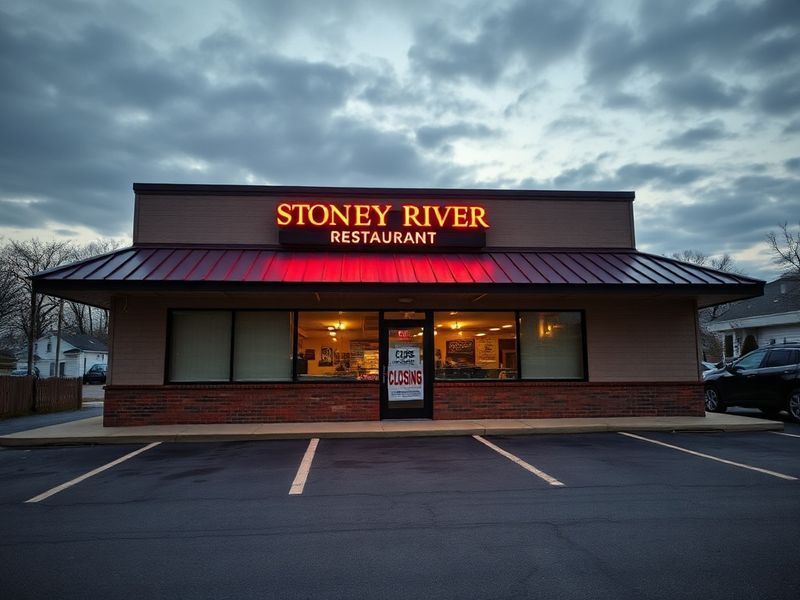
Stoney River Towson’s Legacy in the Dining Scene
Towson, Maryland, has long been known for its vibrant dining culture, where local favorites and national chains coexist to serve a diverse community. Among these establishments, Stoney River—a staple for upscale steakhouse dining—has held a significant place since its arrival. The restaurant, known for its polished ambiance and classic American fare, became a go-to destination for celebrations, business dinners, and special occasions.
Over the years, Stoney River Towson carved out a niche in the area’s culinary landscape, attracting not just locals but also visitors from neighboring counties. Its menu, featuring dry-aged steaks, fresh seafood, and an extensive wine list, mirrored the refined tastes of its patrons. Yet, like many brick-and-mortar businesses in the post-pandemic era, Stoney River faced mounting challenges that ultimately led to its closure. The shutdown reflects broader trends in the restaurant industry, where rising costs, shifting consumer habits, and labor shortages have reshaped the dining experience.
The Economic Pressures Behind the Closure
The decision to close Stoney River Towson didn’t happen overnight. Behind the scenes, the restaurant grappled with financial pressures that are all too familiar to businesses today. Inflation drove up the cost of ingredients, utilities, and labor, while consumer spending habits shifted toward more casual and delivery-friendly options. These factors created a perfect storm for traditional sit-down restaurants like Stoney River.
Industry analysts note that the pandemic accelerated pre-existing trends. According to the National Restaurant Association, nearly 100,000 restaurants closed permanently or long-term in the U.S. between 2020 and 2023. While Towson’s dining scene remained resilient, the closure of a well-established establishment like Stoney River underscores the fragility of even the most beloved businesses. The loss of 80-100 jobs, a mix of full-time and part-time roles, also leaves a gap in the local economy.
For Towson, a community that prides itself on its economic vitality, the closure is more than just a dining story—it’s an economic one. The restaurant’s absence may prompt conversations about supporting local businesses and diversifying the area’s commercial offerings. Some residents have already expressed concerns about the impact on Towson’s appeal as a destination for nightlife and entertainment.
The Cultural Shift in Dining Preferences
Stoney River Towson’s closure comes at a time when dining preferences are evolving globally. The rise of food delivery apps, ghost kitchens, and fast-casual concepts has redefined what consumers expect from restaurants. In urban areas like Towson, younger generations increasingly favor experiential dining—venues that offer more than just a meal, such as interactive cooking classes or themed pop-ups. Traditional steakhouses, while still popular, no longer hold the same universal appeal they once did.
This shift isn’t unique to Towson. In cities from Tokyo to Toronto, fine dining establishments are rethinking their models to stay relevant. Some have embraced hybrid concepts, blending steakhouse traditions with modern twists, while others have downsized or relocated to more affordable areas. The closure of Stoney River highlights the tension between preserving culinary heritage and adapting to contemporary demands.
For long-time patrons of Stoney River, the loss is personal. Many have memories tied to the restaurant—anniversaries, graduations, and milestone birthdays celebrated within its walls. The closure serves as a reminder of how places like these become woven into the fabric of a community, offering more than just food but a sense of continuity and tradition.
What’s Next for the Towson Dining Scene?
As Towson mourns the loss of Stoney River, the question on everyone’s mind is: what comes next? The restaurant’s space, located in a high-traffic area near the Towson Town Center, is sure to attract interest from new tenants. Developers and restaurateurs will likely eye the location, given its prime position in one of Baltimore County’s most bustling commercial hubs.
Speculation is already swirling about potential replacements. Could a trendy fast-casual concept move in? Might a local chef open a farm-to-table bistro? Or will another national chain take over, as has happened with other shuttered restaurants in the area? The possibilities are endless, but one thing is certain: the Towson dining scene will evolve in response to this change.
For now, the community is left reflecting on what Stoney River represented. Its closure is a microcosm of the challenges facing the restaurant industry worldwide, where tradition and innovation often collide. Yet, there’s also an opportunity here. Towson has a chance to reinvent itself, to welcome new flavors and concepts that reflect the diverse tastes of its residents. Whether through pop-up markets, culinary events, or collaborations with nearby food businesses, the area can use this moment to strengthen its identity as a hub for creativity and community.
As for Stoney River’s legacy, it will live on in the memories of those who dined there and in the lessons it offers to the industry. The closure isn’t just the end of a restaurant—it’s a chapter in the ongoing story of how dining culture adapts, survives, and reinvents itself in an ever-changing world.