What Is Yom HaAtzmaut and Why It Matters Beyond Israel’s Borders
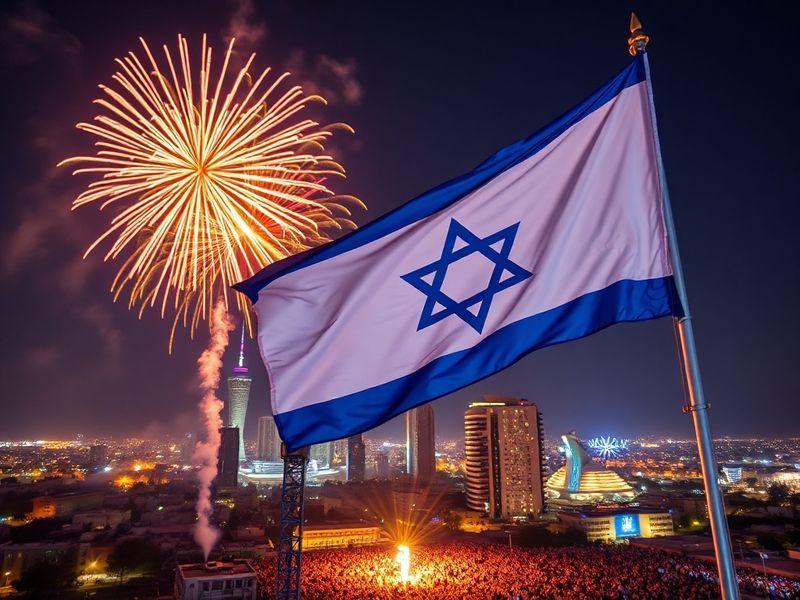
Yom HaAtzmaut, or Israel’s Independence Day, marks a pivotal moment in modern Jewish history. Celebrated on the 5th of Iyar in the Hebrew calendar, it commemorates the establishment of the State of Israel in 1948. While rooted in Israeli tradition, its significance resonates globally—reflecting themes of resilience, identity, and the complexities of nationhood. The day blends solemn remembrance with vibrant celebration, creating a unique cultural tapestry that extends far beyond Israel’s borders.
For many around the world, Yom HaAtzmaut is more than a national holiday. It serves as a touchstone for Jewish communities, a moment of reflection on survival, and an opportunity to explore the intersection of history, politics, and culture. Its observance varies from fireworks and concerts to educational programs and public ceremonies, each element carrying layers of meaning.
The Historical Roots of Yom HaAtzmaut
Yom HaAtzmaut did not emerge spontaneously. Its origins trace back to the early 20th century, when Zionist movements gained momentum in response to persecution and statelessness. The United Nations’ 1947 partition plan, which proposed dividing British Mandate Palestine into separate Jewish and Arab states, set the stage for Israel’s declaration of independence on May 14, 1948. The very next day, neighboring Arab states declared war—a conflict that would shape the region for decades.
The first Yom HaAtzmaut was observed in 1949, replacing the traditional Jewish fast day of the 10th of Tevet, which had previously commemorated the siege of Jerusalem during the Babylonian conquest. This shift symbolized a transition from mourning to celebration, aligning with the Zionist vision of Jewish self-determination. Over time, the holiday evolved, incorporating modern traditions while maintaining its historical weight.
Today, Israelis mark the day with public ceremonies, military displays, and cultural festivals. The official festivities begin the evening before with a torch-lighting ceremony at Mount Herzl in Jerusalem, where twelve torches are lit by twelve individuals representing Israeli achievements in science, arts, and social progress. The ceremony is broadcast nationwide, reinforcing national pride and unity.
How Yom HaAtzmaut Is Observed Around the World
While Yom HaAtzmaut is an Israeli holiday, its observance extends to Jewish communities worldwide. In the United States, for example, synagogues often hold special services featuring Israeli music, food, and speakers. Schools incorporate lessons on Israeli history and culture into their curricula, fostering cross-cultural understanding.
In Europe, cities like London, Paris, and Berlin host public events, from film screenings to panel discussions on the Israeli-Palestinian conflict. These gatherings serve not only as celebrations but also as platforms for dialogue, where attendees grapple with the complexities of Israel’s existence.
In Latin America, Jewish communities have embraced Yom HaAtzmaut as a way to connect with their heritage. In Argentina, for instance, the holiday is marked with concerts featuring Israeli artists and food festivals showcasing Middle Eastern cuisine. These events highlight the global Jewish diaspora’s enduring ties to Israel.
Digital observance has also grown in recent years. Social media campaigns, virtual concerts, and online discussions allow people worldwide to participate in Yom HaAtzmaut’s celebrations. Platforms like Culture sections on websites have become hubs for sharing stories, art, and reflections tied to the holiday.
The Cultural and Artistic Dimensions of Yom HaAtzmaut
Yom HaAtzmaut is not just a political or historical milestone—it is also a celebration of Israeli creativity. The holiday has inspired generations of artists, musicians, and filmmakers to explore themes of identity, struggle, and hope. Israeli music, in particular, has played a central role in shaping the holiday’s cultural identity.
Songs like “Hatikvah,” Israel’s national anthem, and “Jerusalem of Gold,” a classic ballad about the city’s reunification, are staples of Yom HaAtzmaut performances. Modern Israeli artists, from Idan Raichel to Netta, have reimagined these traditions, blending traditional sounds with contemporary genres.
Film and literature also reflect the holiday’s cultural significance. Israeli cinema often uses Yom HaAtzmaut as a backdrop for stories of resilience and transformation. For example, films like “Beaufort” and “The Band’s Visit” explore the human side of Israel’s history, offering nuanced perspectives that challenge stereotypes.
Food, too, plays a vital role in Yom HaAtzmaut celebrations. Traditional dishes like falafel, shakshuka, and sufganiyot (jelly-filled doughnuts) are enjoyed alongside modern twists. These culinary traditions serve as a delicious reminder of Israel’s diverse cultural influences.
The Global Conversation Around Yom HaAtzmaut
Despite its celebratory nature, Yom HaAtzmaut is not without controversy. The holiday’s observance often sparks debates about Israel’s policies, the Israeli-Palestinian conflict, and the role of Zionism in Jewish identity. Critics argue that the day glorifies a narrative that excludes Palestinian perspectives, while supporters view it as a celebration of freedom and self-determination.
These discussions play out in classrooms, on social media, and in public forums worldwide. For educators, Yom HaAtzmaut presents an opportunity to teach about Israel’s history while encouraging critical thinking about its complexities. Organizations like Education platforms often curate resources to help facilitate these conversations.
International relations also intersect with Yom HaAtzmaut. Diplomatic events, such as the annual celebration at the United Nations, highlight Israel’s place in the global community. Meanwhile, protests and counter-events in cities like New York and London underscore the polarized views on Israel’s existence and policies.
The holiday’s global reach extends to tourism as well. Many visitors plan trips to Israel around Yom HaAtzmaut to experience the festivities firsthand. From the vibrant streets of Tel Aviv to the historic sites of Jerusalem, the holiday offers a unique window into Israel’s culture and society.
A Holiday of Many Layers
Yom HaAtzmaut is a day of dualities—celebration and reflection, pride and critique, tradition and innovation. It invites people of all backgrounds to engage with its stories, whether through the lens of history, culture, or politics. For Israelis, it is a day of national identity. For Jews worldwide, it is a connection to heritage. For others, it is an opportunity to learn about a nation that has shaped—and been shaped by—centuries of history.
The holiday’s evolution reflects Israel’s own journey—a nation that has faced immense challenges while fostering creativity, resilience, and a vibrant cultural scene. Whether observed through a religious, secular, or political lens, Yom HaAtzmaut remains a powerful reminder of the enduring human spirit.
As the world continues to grapple with issues of sovereignty, identity, and coexistence, Yom HaAtzmaut stands as a testament to the complexities and triumphs of nationhood. It challenges us to think deeply about what it means to celebrate freedom, to honor history, and to embrace the future with open hearts and minds.