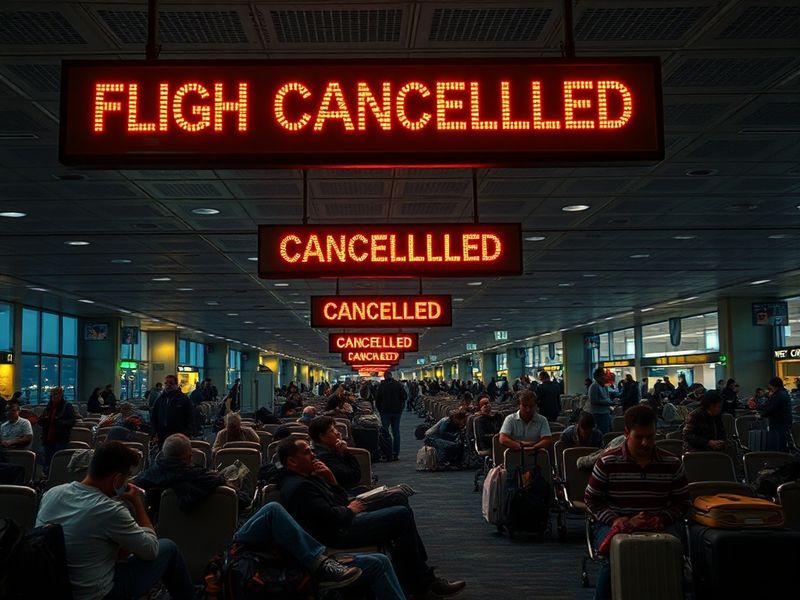
airlines cancelling flights
The summer travel season is in full swing, but for many passengers, the dream of a smooth vacation has been replaced by canceled flights and long waits at airports. Airlines across the globe are canceling flights at an unprecedented rate, leaving travelers frustrated and scrambling for alternatives. While cancellations are not uncommon, the frequency and scale of these disruptions have reached new heights, drawing attention from regulators, industry analysts, and frustrated flyers alike.
Several factors contribute to this trend, ranging from operational challenges to external disruptions. Understanding why flights are being canceled—and what travelers can do about it—is crucial for anyone planning to fly in the coming months. This article explores the root causes behind the surge in cancellations, their impact on passengers, and how travelers can minimize disruptions to their plans.
Weather and Climate: The Unpredictable Factor
One of the most common reasons for flight cancellations is adverse weather conditions. Thunderstorms, hurricanes, fog, and high winds can ground planes, delay departures, or force airlines to reroute flights entirely. While weather has always been a factor in aviation, climate change is making these disruptions more frequent and severe. Airlines are increasingly citing extreme weather events as a primary reason for cancellations, particularly during peak travel seasons.
For example, in the United States, the Federal Aviation Administration (FAA) reported a 15% increase in weather-related delays in 2023 compared to the previous year. Regions prone to hurricanes, such as the southeastern U.S., saw particularly high cancellation rates during the summer and fall. Similarly, Europe experienced record-breaking heatwaves in 2022, which led to reduced aircraft performance and flight cancellations due to concerns about runway conditions and engine efficiency.
Travelers flying to or from destinations with volatile weather patterns should prepare for potential disruptions. Checking weather forecasts a week in advance and monitoring airline notifications can help mitigate the impact of cancellations. However, as climate patterns continue to shift, passengers may need to adjust their expectations for smooth travel.
Staffing Shortages: The Human Factor
Beyond weather, airlines are also grappling with persistent staffing shortages that are exacerbating flight cancellations. The COVID-19 pandemic led to widespread layoffs and early retirements in the aviation industry, and recovery has been slow. Pilots, flight attendants, and ground crew members are in high demand, and airlines are struggling to fill critical roles. This shortage is particularly acute in regions where travel demand has rebounded quickly, such as Asia and parts of Europe.
In the U.S., the Air Line Pilots Association (ALPA) reported that the industry is facing a shortage of over 8,000 pilots, a figure that could grow to 12,000 by 2023. Airlines like American and Delta have responded by offering signing bonuses and accelerated training programs, but the gap persists. Similarly, flight attendants and ground staff are in short supply, leading to delays in aircraft turnaround times and disruptions to flight schedules.
The staffing crisis is not limited to pilots and flight attendants. Air traffic controllers, whose job it is to manage the flow of air traffic, are also in high demand. In Europe, strikes by air traffic controllers in countries like France and Germany have led to widespread cancellations, further straining an already fragile system. Travelers should be aware that staffing shortages are likely to persist for the foreseeable future, making cancellations a recurring issue.
Airlines Most Affected by Staffing Shortages
- American Airlines: Facing a shortage of pilots and flight attendants, leading to frequent cancellations and delays.
- Delta Air Lines: Struggling with ground staff shortages, particularly at hubs like Atlanta and New York.
- Ryanair: Dealing with strikes by pilots and cabin crew, resulting in widespread disruptions in Europe.
- Singapore Airlines: Experiencing delays due to a shortage of flight attendants and pilots in Asia.
Technical Issues and Safety Concerns
Another major contributor to flight cancellations is technical issues with aircraft. Airlines are required to ground planes for regular maintenance and safety checks, but the process has become more complex in recent years. Supply chain disruptions, delays in obtaining replacement parts, and the grounding of entire fleets due to safety concerns have all contributed to a rise in cancellations.
For example, Boeing’s 737 MAX series has faced multiple groundings due to safety concerns, affecting airlines worldwide. In 2023, the FAA ordered the temporary grounding of several MAX aircraft after reports of potential electrical issues. While these groundings are necessary for passenger safety, they also create significant disruptions for travelers and airlines alike.
In addition to manufacturer-related issues, airlines are also dealing with the fallout from the Boeing 737 MAX crashes in 2018 and 2019, which led to increased scrutiny of the aircraft’s safety. Airlines like Southwest and United have had to cancel flights due to the grounding of MAX aircraft, forcing them to rely on older planes or lease additional aircraft to meet demand.
Technical issues aren’t limited to new aircraft. Older planes, which are still in service due to high demand, are more prone to mechanical failures, leading to last-minute cancellations. Airlines are investing in maintenance upgrades, but the backlog of repairs and the high cost of parts are slowing progress.
How Travelers Can Protect Themselves
With so many variables affecting flight schedules, travelers need to take proactive steps to minimize the impact of cancellations on their plans. While some disruptions are unavoidable, there are strategies passengers can use to reduce stress and avoid costly surprises.
First and foremost, travelers should book directly with airlines rather than through third-party websites. While third-party platforms may offer lower fares, they often provide less flexibility when it comes to rebooking or refunds. Airlines are more likely to accommodate changes or cancellations for customers who booked directly, especially if they hold elite status in frequent flyer programs.
Another key strategy is to choose flights with minimal connections. Direct flights are less likely to be canceled than those with layovers, as each connection introduces additional variables that can lead to delays or cancellations. If a direct flight is not an option, travelers should allow for longer layovers to account for potential disruptions.
Travel insurance is also a valuable tool for protecting against cancellations. Policies that include coverage for weather-related disruptions, medical emergencies, and other unforeseen events can provide peace of mind. However, travelers should carefully review the terms of their policy to ensure it covers the specific risks they may face.
Finally, staying informed is critical. Airlines send notifications about cancellations and delays via email, text, and app alerts, but passengers should also monitor the airline’s website and social media channels for updates. In the event of a cancellation, acting quickly to rebook or request a refund can make a significant difference in minimizing the impact on travel plans.
Looking Ahead: Will the Trend Continue?
The surge in flight cancellations shows no signs of slowing down, and travelers should prepare for continued disruptions in the coming years. Climate change, staffing shortages, and technical issues are all likely to persist, creating a challenging environment for both airlines and passengers. However, there are steps airlines and regulators can take to mitigate the problem.
Airlines could invest more heavily in training programs to address staffing shortages, particularly for pilots and flight attendants. Governments could also work to streamline the certification process for new pilots, reducing the time it takes to enter the workforce. Additionally, airlines could collaborate with manufacturers to address supply chain issues and reduce the time required for aircraft maintenance and repairs.
For travelers, the key is flexibility. While no one enjoys canceled flights, understanding the reasons behind them and planning accordingly can make the experience less stressful. By choosing direct flights, booking with airlines directly, and purchasing travel insurance, passengers can reduce the likelihood of being caught off guard by disruptions.
Ultimately, the surge in flight cancellations is a reflection of broader challenges facing the aviation industry. As airlines work to address these issues, travelers must adapt their expectations and strategies to navigate an increasingly unpredictable travel landscape. While the dream of seamless travel may remain elusive for now, being prepared can make all the difference.
For more insights on travel trends and airline industry updates, visit our Travel and News sections.