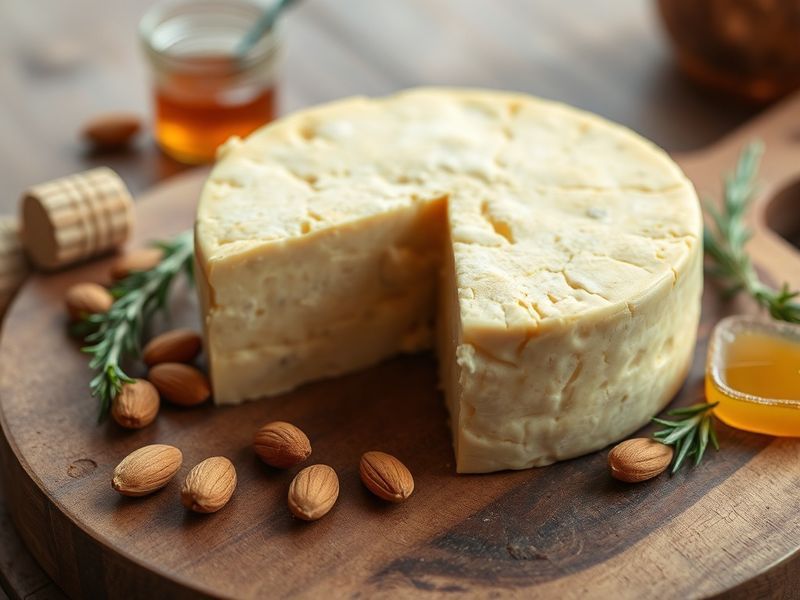
Nestled in the northeastern Italian Alps, the Asiago plateau has long been celebrated for its pastoral beauty and culinary traditions. At the heart of this region’s gastronomic identity lies Asiago cheese, a product with roots stretching back to the early 10th century. What began as a humble cheese made by local shepherds has evolved into a globally recognized specialty, appearing on tables from Rome to Tokyo.
The journey of Asiago from mountain dairy product to international culinary icon reflects broader patterns in food globalization. While Italy remains the cheese’s spiritual home, its production and consumption have spread across continents, adapting to local tastes and techniques. This transformation tells a story of cultural exchange, technological innovation, and the enduring appeal of artisanal foods in an industrialized world.
The Origins and Traditions of Asiago
Asiago’s history is deeply intertwined with the Veneto and Trentino regions of Italy. The cheese’s name derives from the Asiago plateau itself, where the cool alpine climate and rich pastures provide ideal conditions for dairy production. According to historical records, the first cheeses from this area were crafted by shepherds who needed to preserve excess milk during the summer months when cows grazed on high-altitude meadows.
The traditional production method remains a point of pride for local producers. Milk from cows grazing on the plateau’s wild herbs and grasses is heated in copper vats and coagulated with calf rennet. The curds are then pressed into circular molds, salted, and aged for varying periods to develop different flavor profiles. The most prized versions are aged for at least three months, though some varieties mature for over a year.
Asiago’s protected designation of origin (PDO) status, granted in 1996, ensures that only cheeses produced in the designated regions using traditional methods can bear the Asiago name. This certification has helped maintain quality standards while allowing the cheese to gain recognition beyond Italy’s borders.
Types and Varieties: A Spectrum of Flavors
The versatility of Asiago is one of its most remarkable qualities. The cheese comes in several distinct varieties, each offering unique characteristics to suit different culinary applications:
- Asiago Fresco: Aged for 20-40 days, this young cheese has a soft, creamy texture and mild, slightly tangy flavor. It’s often enjoyed as a table cheese or used in sandwiches and salads.
- Asiago Mezzano: With a medium aging period of 4-6 months, this variety develops a firmer texture and more pronounced nutty notes. It’s a popular choice for grating over pasta and soups.
- Asiago Vecchio: Aged for 10-15 months, this cheese becomes increasingly crumbly with a sharp, complex flavor that stands up well to bold ingredients. It’s frequently used in risottos and aged cheese boards.
- Asiago Stravecchio: The most aged variety, matured for 15 months or longer, offers intense crystalline textures and deep, caramelized flavors. It’s a favorite among cheese connoisseurs for pairing with full-bodied wines.
Beyond these traditional varieties, modern producers have experimented with flavored Asiago, incorporating ingredients like truffles, herbs, and even chili peppers to appeal to contemporary palates. These innovations have helped Asiago maintain its relevance in an increasingly competitive global cheese market.
Asiago in the Global Market
The international success of Asiago can be attributed to several key factors. First, its adaptability has made it a favorite among chefs worldwide. The cheese’s range from mild to pungent allows it to complement a wide variety of dishes, from delicate pastas to robust stews.
Second, the rise of Italian cuisine as a global phenomenon has naturally increased demand for authentic Italian ingredients. Asiago’s PDO status ensures that consumers seeking genuine Italian flavors can find them, even in distant markets. This authenticity has become increasingly important as food fraud concerns grow in the dairy industry.
Third, the global cheese market has become more sophisticated, with consumers increasingly interested in artisanal products with clear provenance. Asiago’s centuries-old traditions and protected origin status align perfectly with this trend. Countries like the United States, Germany, and Japan have become significant consumers of Asiago, often importing it in large wheels that are then cut and packaged locally.
However, this global success has not been without challenges. The increasing demand for Asiago has led to debates about production methods and authenticity. Some producers outside Italy have attempted to create similar cheeses, raising questions about labeling and quality standards. The PDO designation has helped address these concerns, but the issue remains a topic of discussion in international food policy circles.
Cultural Significance and Culinary Integration
Asiago’s influence extends beyond its nutritional value, embedding itself in cultural practices and culinary traditions across the world. In Italy, the cheese is a staple during festive occasions, particularly in the Veneto region where it features prominently in dishes served during religious holidays and family gatherings.
Internationally, Asiago has become a bridge between Italian culinary traditions and local food cultures. In the United States, for example, it’s commonly found in Italian-American dishes like baked ziti and chicken parmesan, where its melting properties and rich flavor enhance these comfort foods. Meanwhile, in Japan, Asiago has been incorporated into fusion dishes that blend Italian techniques with local ingredients, such as Asiago-topped udon noodles or grated Asiago in matcha-flavored risottos.
The cheese’s integration into diverse culinary traditions highlights its remarkable adaptability. Whether shaved over a fresh salad in France, melted into a grilled cheese sandwich in the United States, or served alongside prosciutto in Argentina, Asiago brings a touch of Italian authenticity to global cuisine. This adaptability has made it a favorite among both home cooks and professional chefs, ensuring its continued relevance in kitchens around the world.
For those interested in exploring Italian cheeses further, Dave’s Locker offers a curated selection of authentic products and recipes that showcase Italy’s rich gastronomic heritage. The site’s resources provide practical insights into selecting, storing, and using specialty cheeses in both traditional and innovative ways.
A Lasting Legacy in a Changing World
Asiago’s story is one of tradition meeting modernity, of local craftsmanship reaching global audiences, and of a simple cheese evolving into a culinary ambassador. In an era where industrial food production often overshadows artisanal methods, Asiago stands as a testament to the enduring appeal of carefully crafted foods.
Looking ahead, the challenge for Asiago producers will be balancing increased global demand with the preservation of traditional methods. The PDO system provides a framework for maintaining quality, but the pressures of commercialization and climate change pose ongoing challenges. How producers navigate these issues will determine whether Asiago can continue to thrive as both a cultural icon and a commercial success.
One thing is certain: Asiago’s journey is far from over. As global palates continue to evolve and culinary boundaries blur, this alpine treasure is poised to remain a beloved ingredient in kitchens worldwide. Its story reminds us that the most enduring foods are those that carry the weight of history while remaining flexible enough to adapt to new contexts and cultures.
For cheese enthusiasts and culinary explorers alike, Asiago represents more than just a dairy product—it’s a connection to Italy’s pastoral past, a symbol of artisanal excellence, and a delicious reminder of how food can transcend borders while maintaining its soul.