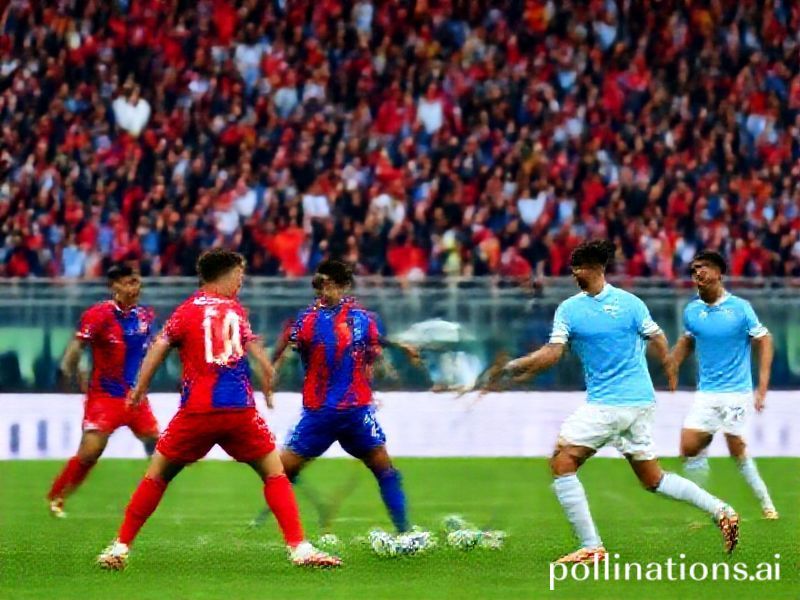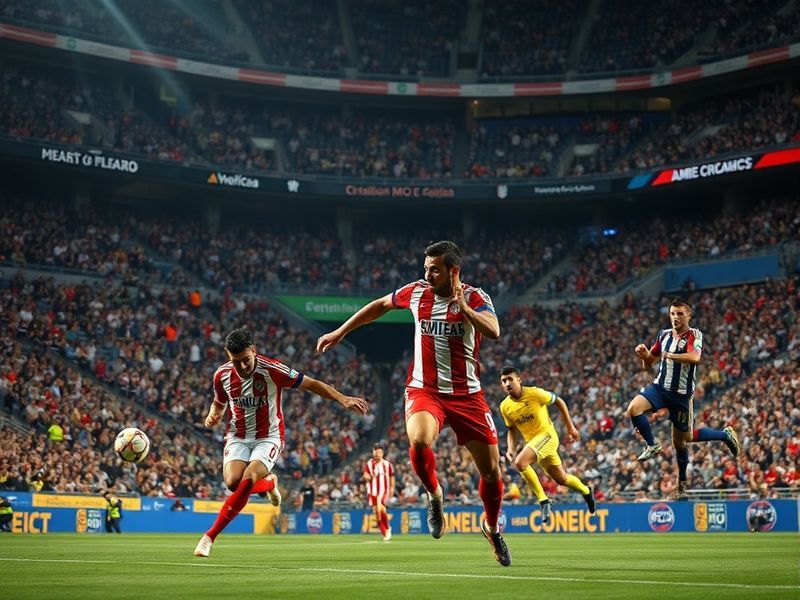
Mexico’s relationship with soccer isn’t just sport—it’s a cultural heartbeat that pulses through stadiums, streets, and living rooms across the country. From local pitches in Oaxaca to the electric atmosphere of the Estadio Azteca, futbol mexicano carries layers of history, identity, and national pride that extend far beyond the ninety minutes on the field.
Unlike many global soccer cultures, Mexican football thrives not only on elite talent but on a grassroots ecosystem that produces players at every level. The Liga MX stands as a testament to this depth, often cited as the most competitive league in North America and a proving ground for rising stars before they move to Europe. But its significance goes deeper: it’s a mirror reflecting Mexico’s social and economic realities, its triumphs, and its enduring struggles.
The Liga MX: A League of Passion, Precision, and Pressure
The Liga MX is more than just a professional league. It is a spectacle of color, noise, and ritual. Matches are not merely games; they are communal events where families gather, vendors sell antojitos, and fans paint their faces in team colors. Clubs like Club América, Chivas de Guadalajara, and Club Tigres command fanbases that are both fiercely loyal and deeply divided.
One of the league’s defining features is its two-tournament system: the Apertura and Clausura, played in a condensed schedule that keeps intensity high year-round. This format has created a rhythm of competition unlike any other major league. Clubs invest heavily in academies, knowing that developing young talent is the key to both sporting success and financial sustainability.
Yet the league faces challenges. Financial disparities between clubs persist, with some teams able to pay top-tier salaries while smaller sides struggle to compete. Stadium attendance fluctuates, reflecting broader economic pressures. Still, the passion remains undiminished. The league’s average attendance is consistently among the highest in the world, a clear sign that futbol is woven into Mexico’s social fabric.
The Role of the Mexican National Team: A Source of Unity and Heartbreak
The Mexican national team, known as “El Tri,” represents far more than athletic achievement. It is a symbol of national identity, especially in a country with deep regional divisions. When El Tri takes the field, millions unite—cheering, singing, and hoping for glory. The team’s anthem, “Himno Nacional Mexicano,” is sung with fervor before every match, blending patriotism with sporting passion.
Success in major tournaments like the World Cup brings temporary euphoria. The 2022 World Cup in Qatar saw Mexico advance from the group stage but fall short in the Round of 16, as has become customary in recent decades. These near-misses have sparked intense debate about coaching decisions, player development, and the pressure of expectations.
Yet the team remains a unifying force. Whether in victory or defeat, El Tri brings Mexicans together across borders—especially for the 30 million people of Mexican descent in the United States, who often fly team colors and fly south to support their heritage.
Grassroots Development: Where Futures Are Built
Mexico’s soccer talent pipeline begins in neighborhoods, not boardrooms. Across the country, thousands of children lace up cleats on dusty pitches, dreaming of becoming the next Hugo Sánchez or Chicharito. Clubs like Chivas de Guadalajara have long prioritized homegrown players, maintaining a strict “only Mexican players” policy that has both inspired and constrained the team.
But the system is evolving. The Liga MX has expanded its youth academies, modeled after European systems, to better develop technical and tactical skills. The Mexican Football Federation (FMF) has also invested in coaching education and infrastructure, aiming to close the gap with traditional soccer powerhouses.
One standout initiative is the Liga MX’s partnership with the Aspire Academy in Qatar, which has helped identify and develop young talent through elite training and international exposure. These efforts reflect a growing recognition that raw talent alone is not enough—structured development is essential to producing world-class players.
Key Elements of Mexico’s Soccer Development System
- Academies (Canteras): Every top club operates youth systems that scout and train players from ages 8 to 18, often providing education and housing.
- Liga MX Next: A reserve league that gives young players game experience without immediate pressure.
- FMF Talent Identification: Regional scouting programs identify promising players from rural and urban areas alike.
- International Exposure: Friendlies and tournaments abroad help players adapt to high-pressure environments early.
The Cultural Impact: Beyond the 90 Minutes
Futbol mexicano’s influence extends into music, film, and language. Iconic songs like “El Siete Leguas” by Los Tigres del Norte and “México Lindo y Querido” are sung in stadiums, turning matches into musical celebrations. Movies like “Rudo y Cursi” capture the dreams and struggles of players from modest backgrounds, resonating with audiences nationwide.
Soccer also plays a role in social issues. Clubs have launched initiatives to combat youth violence, promote gender equality in sports, and support indigenous communities. The women’s national team, Las Tri, has gained significant visibility, pushing for better funding and recognition despite persistent disparities.
At the same time, soccer fandom can be polarizing. Barrios and families are sometimes divided by team loyalties, leading to rivalries that go beyond the pitch. These tensions reflect deeper social structures but also highlight soccer’s power to shape local identities.
Looking Ahead: The Future of Mexican Futbol
The road ahead is complex. On one hand, Mexico is producing world-class talent at an unprecedented rate. Players like Edson Álvarez, Raúl Jiménez, and promising youngsters like Johan Vásquez are making their mark in Europe’s top leagues. The women’s game is growing, with more girls taking up the sport and demanding better opportunities.
On the other hand, challenges remain. Corruption scandals have shaken the FMF in recent years, raising questions about governance and accountability. Stadium safety concerns, particularly after incidents like the 2022 Liga MX final crowd crush, have forced a reckoning with infrastructure and crowd management.
Yet the passion endures. As Mexico builds stadiums, reforms its leagues, and nurtures its youth, the game continues to evolve—not just as entertainment, but as a living expression of Mexican identity and ambition.
In a country where soccer is woven into the national narrative, the future of futbol mexicano will be written not just by goals and trophies, but by the communities that live, breathe, and dream through the beautiful game.
Whether you’re watching from the stands of the Estadio Olímpico Universitario or streaming a Liga MX match from abroad, one thing is clear: futbol mexicano is more than a sport. It’s a story of resilience, pride, and unshakable love for the game.
And that story is still being told.
For more on soccer culture and international leagues, explore our Sports and News sections.