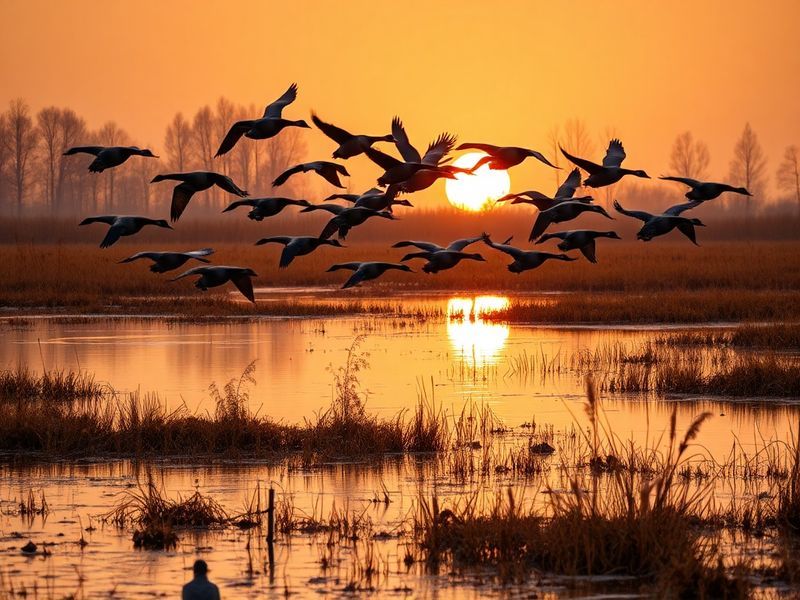
The geese tour isn’t just another niche hobby—it’s a growing phenomenon where enthusiasts follow migratory flocks across public spaces, documenting their journeys through photography, social media, and local engagement. What began as a quirky pastime among birdwatchers has evolved into a structured activity, blending travel, nature observation, and community interaction. Unlike traditional birdwatching, which often focuses on stationary observation, geese tours invite participants to track these birds as they move through urban and rural landscapes, creating a dynamic experience that changes with the seasons.
This trend reflects a broader cultural shift toward experiential travel, where the journey itself holds as much value as the destination. For many, it’s less about ticking off a checklist of sightings and more about immersing themselves in the rhythms of nature. The rise of geese tours also highlights how digital platforms have amplified niche interests, turning local observations into global conversations. As more people seek meaningful ways to connect with the natural world, these tours offer a unique blend of adventure, education, and camaraderie.
The Origins of Geese Tours: From Observation to Adventure
Geese tours trace their roots to traditional birdwatching, which has long been a pastime for those fascinated by avian behavior. However, the concept of actively following flocks across distances gained traction in the early 2010s, as social media platforms like Instagram and Flickr allowed enthusiasts to share their experiences in real time. The trend was further accelerated by the pandemic, when people sought safe, outdoor activities that didn’t require extensive travel.
Unlike birdwatching, which often involves stationary setups with binoculars and field guides, geese tours are inherently mobile. Participants might start in a local park, tracking a flock as it moves toward a nearby pond or field. Some tours even incorporate elements of urban exploration, with guides leading groups through unexpected green spaces where geese pause during migration. This blend of nature and urban life has made geese tours particularly appealing to city dwellers looking for a break from the concrete jungle.
One of the earliest documented geese tours took place in Chicago’s Jackson Park, where a small group of birders began documenting the annual migration of Canada geese. What started as a casual outing soon grew into a semi-regular event, with participants sharing their sightings online. The success of this initiative inspired similar groups in other cities, from New York’s Central Park to San Francisco’s Crissy Field. Today, geese tours are organized through local nature clubs, social media groups, and even dedicated apps that map migratory patterns.
What Sets Geese Tours Apart from Traditional Birdwatching
While birdwatching often focuses on identifying species or spotting rare birds, geese tours emphasize the experience of following a flock as it travels. This can involve walking, cycling, or even kayaking alongside the birds, depending on the terrain. For many participants, the appeal lies in the unpredictability of the journey—geese don’t follow fixed routes, and their movements are influenced by weather, food availability, and human activity.
Another key difference is the social aspect of geese tours. Unlike solitary birdwatching, these tours often involve group participation, with guides sharing insights about goose behavior, local ecology, and conservation efforts. This communal approach fosters a sense of connection among participants, many of whom are repeat attendees. Some tours even incorporate educational components, such as workshops on habitat preservation or the impact of urbanization on migratory patterns.
For those interested in joining a geese tour, here are a few key considerations:
- Location: Research local parks, ponds, or wetlands where geese are known to congregate. Urban areas with green spaces are often the best starting points.
- Timing: Geese migrations typically occur in spring and fall, but local flocks may be present year-round. Check seasonal patterns to plan your visit.
- Equipment: While binoculars are helpful, a camera or smartphone is often sufficient for documenting sightings. Comfortable shoes and weather-appropriate clothing are essential.
- Community: Many geese tours are organized through local nature groups or social media platforms. Joining these communities can provide insights, updates, and companionship.
- Ethics: Respect wildlife by maintaining a safe distance and avoiding disturbances. Follow local guidelines for interacting with animals in public spaces.
The Broader Implications of Geese Tours: Ecology, Education, and Community
Beyond the personal enjoyment they offer, geese tours have broader implications for ecology, education, and community building. By encouraging people to engage with migratory patterns, these tours raise awareness about the challenges faced by urban wildlife. For instance, geese often struggle with habitat loss due to development, pollution, and climate change. Tours that highlight these issues can inspire participants to support conservation efforts or advocate for green spaces in their own communities.
Education is another critical component of geese tours. Many guides incorporate lessons on bird biology, migration routes, and the role of geese in local ecosystems. This hands-on learning experience can be particularly valuable for students or educators looking to supplement classroom lessons with real-world examples. Some tours even partner with schools or nature centers to offer structured programs, further expanding their reach.
The social aspect of geese tours cannot be overstated. In an era where digital connectivity often replaces face-to-face interaction, these tours provide a space for people to connect over a shared interest. Whether it’s swapping stories about close encounters with geese or debating the best photography techniques, the sense of community fosters lasting relationships. For newcomers, it’s an opportunity to learn from experienced enthusiasts, while veterans enjoy the chance to mentor others.
How to Get Started with Your Own Geese Tour
If you’re intrigued by the idea of a geese tour but unsure where to begin, start by exploring your local environment. Many cities have parks or waterfront areas where geese are commonly spotted. Visit these locations at different times of day to observe their behavior and identify patterns. You might also consider joining an existing tour or group to gain insights from experienced participants.
For those who prefer a more structured approach, several organizations offer guided geese tours. These can range from single-day outings to multi-week expeditions, depending on the region and season. Some tours even include travel to renowned migratory hotspots, such as the Great Lakes or the Mississippi Flyway. Before committing to a tour, research the organizer’s credentials and read reviews from past participants to ensure a high-quality experience.
Documenting your geese tour can also enhance the experience. Many enthusiasts keep journals or create photo albums to track their sightings and reflect on their journeys. Sharing these stories online can inspire others to join the trend, creating a ripple effect that expands the community. Platforms like Instagram and Facebook are popular choices for connecting with fellow geese tour enthusiasts, while apps like eBird can help you log sightings and contribute to citizen science projects.
As geese tours continue to grow in popularity, they offer a reminder of the simple joys found in nature. In a world that often feels fast-paced and disconnected, these tours provide an opportunity to slow down, observe, and connect—both with the natural world and with others who share the same passion. Whether you’re a seasoned birder or a curious newcomer, there’s never been a better time to explore the world of geese tours.
For those interested in learning more about organized nature tours or urban wildlife experiences, check out Dave’s Locker Travel and Dave’s Locker Culture sections for curated recommendations and insights.