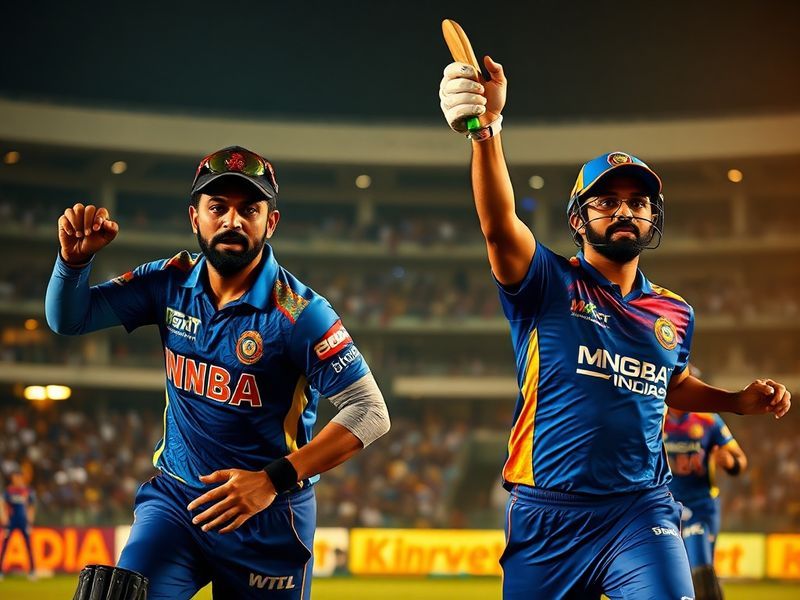
The Mumbai Indians (MI) and Chennai Super Kings (CSK) have shaped the Indian Premier League (IPL) since its inception in 2008. Their encounters go beyond cricket—they represent two cities with distinct identities, contrasting cricketing philosophies, and a rivalry that has captivated global audiences. While other IPL teams have risen and fallen, MI and CSK have maintained elite status, setting new benchmarks for consistency and success.
This rivalry isn’t confined to the IPL. It reflects broader trends in global cricket, including the rise of franchise-based leagues, the increasing influence of Indian cricket, and the growing commercialization of the sport. From Mumbai’s cosmopolitan energy to Chennai’s deep-rooted cricket culture, each team embodies a different facet of India’s cricketing landscape—and their battles on the field mirror the larger narrative of modern cricket.
The Origins and Evolution of the Rivalry
The MI vs CSK rivalry began in the early seasons of the IPL, when both teams were building their squads and establishing their identities. MI, backed by Reliance Industries, had the financial muscle to assemble a star-studded lineup, while CSK, under the leadership of MS Dhoni, relied on astute leadership and tactical brilliance. Their first meeting in 2008 set the tone for what would become one of the most anticipated fixtures in the tournament.
Over the years, the rivalry has evolved from a clash of styles to a contest of dominance. MI’s aggressive, power-hitting approach often clashed with CSK’s methodical, experience-driven game. Yet, as both teams refined their strategies, their matches became less about philosophy and more about execution. The rivalry also reflects the broader shift in cricket, where individual brilliance is often overshadowed by team cohesion and tactical acumen.
This evolution mirrors the global growth of T20 cricket. While traditional cricket powerhouses like Australia and England initially dominated the format, India’s IPL has become the epicenter of innovation. MI and CSK’s rivalry is a microcosm of this change—where domestic leagues now shape international cricket, and franchise cricket has redefined player development and fan engagement.
Key Moments That Defined the Clash
The MI vs CSK rivalry is rich with defining moments that have left a lasting impact on IPL history. These matches have not only decided titles but have also influenced player legacies and team cultures.
- 2010 Final: CSK’s first IPL title came against MI in a low-scoring thriller. Dhoni’s tactical masterclass outsmarted Sachin Tendulkar’s MI, marking the beginning of CSK’s reputation as the “finalists” of the league.
- 2013 Final: MI’s first title under Rohit Sharma’s leadership, where they defended a modest total against CSK. The win signaled a changing of the guard in the IPL.
- 2019 Playoff: A dramatic last-ball finish where MS Dhoni’s run-out stunned MI, eliminating them from the playoffs. The match highlighted the psychological edge CSK often held in crunch moments.
- 2020 Super Over: A rain-affected thriller ended in a tie, followed by a Super Over where MI edged out CSK. The match showcased the unpredictability of T20s and the high stakes of the rivalry.
These moments are more than just cricketing milestones—they reflect the broader cultural significance of the rivalry. In India, where cricket is almost a religion, these matches are watched by millions, sparking debates in homes, offices, and social media. The rivalry has also transcended borders, with fans from Australia to the Caribbean tuning in to witness these high-octane clashes.
The global appeal of MI vs CSK is evident in the fan base. MI’s glamour and star power attract urban, younger audiences, while CSK’s grassroots connection resonates with traditional cricket lovers. This duality mirrors the global cricketing landscape, where innovation and tradition often collide.
Cultural and Commercial Impact
The MI vs CSK rivalry is as much about business and culture as it is about cricket. Both teams have leveraged their brand power to expand the IPL’s reach, turning matches into global spectacles. MI, with its Bollywood and business connections, represents the new India—cosmopolitan, ambitious, and media-savvy. CSK, on the other hand, embodies the soul of Tamil Nadu, with a fan base that is fiercely loyal and deeply connected to the team’s underdog narrative.
Commercially, the rivalry has been a goldmine. Broadcasters, sponsors, and advertisers flock to these matches, knowing they will draw record viewership. The IPL’s valuation has soared partly due to the star power of teams like MI and CSK, who bring in global audiences and lucrative deals. For instance, CSK’s jersey sponsorship deal with Tamil Nadu-based companies highlights the regional pride tied to the team, while MI’s partnerships with international brands reflect its global appeal.
Culturally, the rivalry has influenced how cricket is consumed. The IPL has turned players into celebrities, and matches into social events. Fans don jerseys, plan watch parties, and engage in banter long before the teams take the field. The MI vs CSK clash is often the highlight of the IPL season, drawing comparisons to historic sporting rivalries like Manchester United vs Liverpool in football or Yankees vs Red Sox in baseball.
This cultural phenomenon isn’t limited to India. In countries like the UAE, where the IPL has been held in some seasons, and in markets like the UK and Australia, the rivalry has introduced new audiences to franchise cricket. The IPL’s success has even inspired other leagues, such as the Caribbean Premier League and The Hundred in England, to adopt similar formats.
What the Future Holds
The MI vs CSK rivalry shows no signs of losing its edge. As the IPL expands and new teams enter the fray, the competition only intensifies. Both franchises continue to invest in young talent while retaining experienced players, ensuring their squads remain competitive. The rivalry is also evolving with the introduction of new formats, such as the IPL’s move to a double round-robin league, which means more encounters between these two teams.
For fans, the future promises even more drama. The IPL’s global expansion means these matches will reach new audiences, further cementing the rivalry’s place in world cricket. Meanwhile, the players involved—from emerging stars to legends like Dhoni and Rohit—will shape the next chapter of this storied contest.
The MI vs CSK rivalry is more than a cricketing spectacle; it’s a reflection of how sport adapts to cultural shifts, commercial pressures, and global audiences. As long as the IPL thrives, so will this rivalry, continuing to captivate fans and redefine the boundaries of modern cricket.
For those looking to dive deeper into the world of franchise cricket, explore more on Sports and the evolution of T20 leagues worldwide.