Michael Tilson Thomas: A Conductor Redefining Classical Music
“`html
Michael Tilson Thomas: A Lifetime of Musical Innovation
Few conductors have shaped orchestral music in the late 20th and early 21st centuries as profoundly as Michael Tilson Thomas. Born in 1944 in Los Angeles, he emerged from a family deeply connected to the arts. His grandparents were Yiddish theater performers, and his mother worked in film production. This creative lineage would later influence his expressive, theatrical approach to conducting. Thomas began studying piano at age six and quickly displayed prodigious talent, eventually enrolling at the University of Southern California to study with legendary pedagogue Ingolf Dahl.
His early career took a pivotal turn when he became an assistant conductor to the Boston Symphony Orchestra in 1969. There, he caught the attention of conductor Erich Leinsdorf, who recognized his potential. By the 1970s, Thomas had established himself as a dynamic presence on the international stage, leading major orchestras across Europe and the Americas. His interpretations of Mahler, Stravinsky, and American composers like Copland and Bernstein became defining features of his artistic identity.
Reimagining the Role of the Conductor
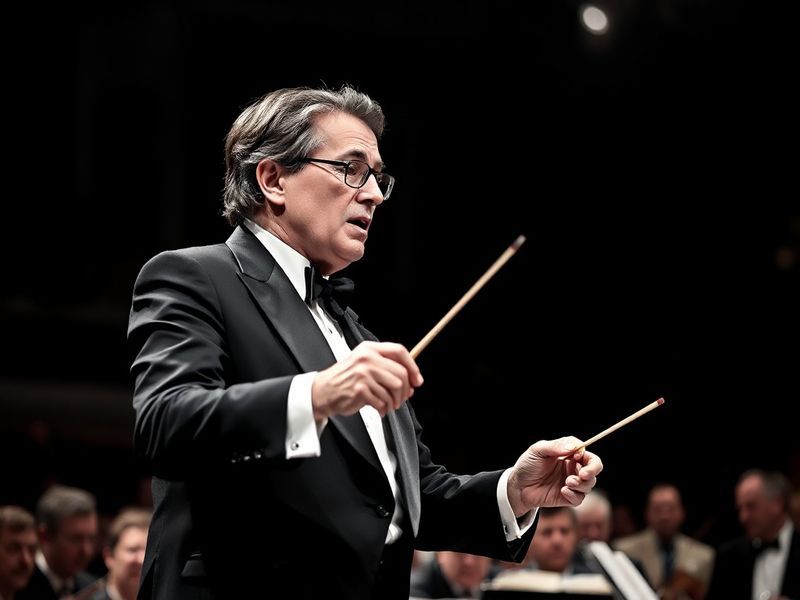
Thomas has never been content with conventional approaches to orchestral leadership. He views the podium as both a platform for technical precision and a stage for storytelling. This philosophy is evident in his work with the San Francisco Symphony, which he led as music director from 1995 to 2020. Under his guidance, the orchestra became known for its bold programming and innovative collaborations.
One of his most ambitious projects was the American Mavericks festival, which celebrated avant-garde composers such as Henry Cowell, Lou Harrison, and John Cage. The series challenged audiences to reconsider what American classical music could be. Thomas also spearheaded the orchestra’s Keeping Score initiative, a multimedia project that explored classical works through documentary films and interactive online content. This effort democratized access to classical music, making it more approachable for new listeners.
His commitment to education extended beyond the concert hall. Thomas frequently worked with young musicians through masterclasses and residencies, emphasizing the importance of creativity alongside technical skill. His influence in this area earned him multiple honorary doctorates and awards, including the National Medal of Arts in 2009.
A Champion of Modern and Underrepresented Works
While Thomas is celebrated for his interpretations of the standard repertoire, his advocacy for living composers and underperformed works has been equally transformative. He has premiered over 300 new compositions and recorded extensively with labels like RCA Red Seal and Avie Records. His discography spans from Beethoven symphonies to works by contemporary figures like John Adams and Esa-Pekka Salonen.
Thomas’s 2016 album Stravinsky: The Rite of Spring with the San Francisco Symphony is a standout example of his interpretive depth. The recording reimagines the ballet’s raw energy through a lens of modern orchestral color and rhythmic clarity. Similarly, his collaborations with jazz and pop artists—including a 2018 performance with Herbie Hancock—showcased his versatility and openness to cross-genre experimentation.
The following list highlights some of his most influential recordings:
- Copland: Appalachian Spring (1998) – A definitive account of the American classic.
- Mahler: Symphony No. 3 (2003) – Featured a stellar vocal soloist and lush orchestration.
- Gershwin: Porgy and Bess (2019) – A full-length recording of the opera with the San Francisco Symphony.
- John Adams: Nixon in China (1987) – Captured the opera’s political intensity with precision.
His commitment to underrepresented composers led to groundbreaking performances of works by African American and women composers, including Florence Price and William Grant Still. These efforts have helped redefine the classical canon and inspire a new generation of musicians.
Legacy and Future Endeavors
As Thomas transitions into the next phase of his career, his impact remains indelible. In 2020, he stepped down as music director of the San Francisco Symphony but continues to guest conduct major orchestras worldwide. His recent projects include a residency with the London Symphony Orchestra and ongoing work with the New World Symphony, the training academy he founded in Miami in 1987.
The New World Symphony has become a cornerstone of his legacy. The program offers young musicians performance opportunities, mentorship, and exposure to innovative technologies like 360-degree video production. Alumni of the academy have gone on to prominent roles in orchestras and ensembles across the globe.
Thomas’s influence extends beyond performance. He has been a frequent commentator on classical music for media outlets, and his TED Talk on the future of orchestras has been viewed over a million times. His ability to articulate complex musical ideas in accessible terms has made him a sought-after voice in cultural discussions.
Looking ahead, Thomas shows no signs of slowing down. He recently announced plans to focus more on composition, a long-held passion. His first major work as a composer, From the Diary of Anne Frank, premiered in 2018 to critical acclaim. This oratorio, blending spoken word with orchestral and choral music, reflects his ongoing commitment to storytelling and historical reflection.
Why Michael Tilson Thomas Matters
In an era where classical music often struggles to maintain relevance, Michael Tilson Thomas has demonstrated how tradition and innovation can coexist. His career is a testament to the power of artistic curiosity and the importance of connecting music to broader cultural conversations. Whether through his conducting, education initiatives, or advocacy for new works, he has redefined what it means to be a musical leader in the 21st century.
For those interested in exploring more about orchestral music or conducting, the Music category on Dave’s Locker offers curated articles and resources. Additionally, his work with the Education category highlights the intersection of music and learning.
As audiences and musicians alike continue to navigate the evolving landscape of classical music, Thomas’s contributions serve as both a guide and an inspiration. His ability to bridge gaps between genres, generations, and cultures ensures that his legacy will endure for decades to come.