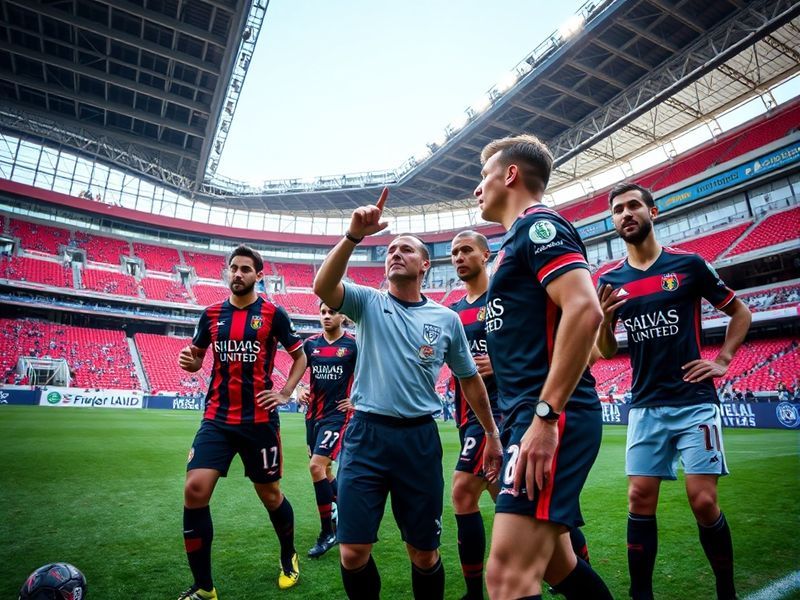
The Minnesota United FC and FC Dallas clash in the MLS often delivers more than just goals and points. It showcases contrasting styles of play, strategic depth, and the evolving identity of teams beyond traditional powerhouses. This fixture on the calendar is more than a match; it’s a narrative of adaptation, ambition, and the relentless pursuit of playoff positioning.
Minnesota United, with their passionate fan base at Allianz Field, brings a high-energy, pressing style that suffocates opponents. FC Dallas, under a new coaching regime, is reshaping its identity with a blend of technical precision and tactical flexibility. When these two teams meet, the result is often a tactical chess match played out on a field of 11 players on each side.
The Contrasting Philosophies on Display
Minnesota’s approach is built on intensity. The team’s high pressing aims to force turnovers in dangerous areas, followed by rapid transitions to exploit defensive disarray. Their midfield trio — often featuring creative playmakers and box-to-box runners — fuels this system, allowing wingers to stretch play and central strikers to lead the press.
FC Dallas, historically known for its possession-based, buildup-heavy style under previous managers, has recently shifted toward a more direct and adaptive approach. The coaching staff has emphasized quick transitions, vertical passes, and the use of wide areas to stretch defenses. This evolution reflects a broader trend in MLS: teams are prioritizing efficiency over aesthetics, especially in away fixtures where counterattacking can neutralize home advantage.
In the last five meetings between the two sides, Minnesota has edged FC Dallas 3-2, but the margins have been razor-thin. Goals have often come from set pieces, individual brilliance, or defensive lapses — not sustained dominance. That balance speaks to the parity in the Western Conference and the tactical nuance required to break down either team.
Key Takeaways from Recent Encounters
Analyzing recent Minnesota vs FC Dallas matches reveals several recurring themes that define their rivalry:
- Set Pieces Decide Close Games: Both teams have struggled to break down each other’s low-block defenses in open play, making dead-ball situations decisive. FC Dallas has particularly relied on their center-backs and wide players to deliver dangerous crosses into the box.
- Midfield Control Equals Match Control: The team that dominates the midfield triangle — typically the #6, #8, and #10 — dictates tempo. Minnesota’s ability to press high and win second balls has often given them the upper hand, but Dallas has countered with quick transitions through their deep-lying playmaker.
- Wing Play as a Tactical Lever: Both sides use width aggressively. Minnesota’s wingers track back to help the press, while Dallas’ full-backs push high to provide crosses and cutbacks. This dual threat forces full-backs into difficult decisions — press and leave space, or drop and invite pressure.
- Goaltending Matters: In two of the last three meetings, decisive saves from Minnesota’s Dayne St. Clair and FC Dallas’ Maarten Paes have kept the scores level. The goalkeepers’ ability to command their box during set pieces and react to long-range strikes has been pivotal.
Broader Implications for the MLS Landscape
This matchup is more than a two-team showdown; it reflects broader trends in MLS. The league’s expansion into markets like St. Paul and Cincinnati has introduced new tactical identities. Minnesota, alongside teams like Nashville SC and CF Montréal, represents a cohort that values pressing, high pressing intensity, and fan engagement. These clubs are building cultures that prioritize identity over immediate results — a long-term strategy that challenges traditional hierarchies.
FC Dallas, meanwhile, embodies the tension between tradition and innovation. As one of the league’s founding members, Dallas has long relied on technical players and possession-based systems. Yet, under new leadership, they are embracing pragmatism. This shift mirrors a league-wide realization: in a salary-capped environment, efficiency often outweighs style. Teams that can adapt their tactics based on opponent and situation gain a crucial edge.
The ripple effect of matches like Minnesota vs FC Dallas extends to playoff races. With the Western Conference growing increasingly competitive — now featuring teams like Houston Dynamo, Sporting Kansas City, and LA Galaxy all within striking distance — every point matters. A win for either side not only boosts their playoff hopes but sends a message to the rest of the league about their tactical maturity and resilience.
What to Watch For
When these teams meet again, several storylines will shape the outcome:
- Minnesota’s Pressing Trap: Can FC Dallas break Minnesota’s press with quick, vertical passes? If Dallas’ midfield can bypass the first line of pressure, they’ll create chances in transition.
- Dallas’ Defensive Shape: Minnesota excels in quick, direct attacks. Dallas’ ability to regroup and maintain compactness will determine whether they concede early.
- Set Piece Vulnerabilities: Both teams have conceded goals from dead-ball situations in recent weeks. Whoever can defend crosses and corners more effectively may steal the game.
- Individual Battles: Watch for duels between Minnesota’s winger and Dallas’ right-back, or the battle between FC Dallas’ striker and Minnesota’s center-back pairing. These micro-contests often decide tight games.
Beyond tactics, the atmosphere at Allianz Field will play a role. The supporters’ section, known for its relentless energy, can tilt the balance in Minnesota’s favor. For FC Dallas, managing the away-day logistics — travel fatigue, unfamiliar pitch, and hostile crowd — will be as important as the starting lineup.
Conclusion: More Than Just Three Points
Minnesota vs FC Dallas is a fixture that transcends the scoreboard. It’s a story of two clubs building identities in a league that demands both ambition and adaptability. For Minnesota, it’s about proving that pressing football can sustain success in the long term. For FC Dallas, it’s about showing that even legacy clubs must evolve to remain relevant.
The result of this match will ripple through the standings, the locker rooms, and the fan sections. But perhaps more importantly, it will reinforce a truth about MLS: in a league defined by parity and unpredictability, every game is a chance to define a new chapter.
As the season progresses, the lessons learned from these tactical battles will shape playoff races and, ultimately, the league’s future. Whether through a last-minute winner, a tactical masterclass, or a defensive lapse, Minnesota and FC Dallas will once again remind us why MLS is more than just a competition — it’s a living, breathing evolution of the beautiful game.
Follow the latest updates and analysis on all MLS action, including deeper tactical breakdowns and player spotlights, at Dave’s Locker Sports and Dave’s Locker Analysis.