When Two Cities Collide: Baseball’s Enduring Cross-Country Rivalry
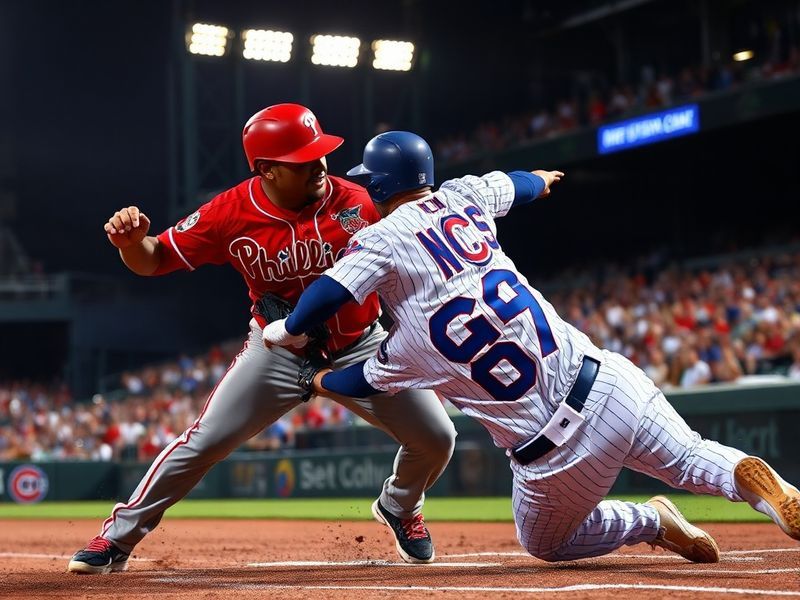
The Philadelphia Phillies and the Chicago Cubs represent more than just two teams in Major League Baseball. Their matchups, stretching back over a century, have become a cultural touchstone—one that reflects the evolution of American sports, urban identity, and even the shifting demographics of the nation itself. While the Cubs play in the lively streets of Wrigleyville and the Phillies in the historic confines of Citizens Bank Park, their clashes on the diamond have always been about more than wins and losses.
The rivalry gained particular intensity during the 1980s and 1990s, a period when both franchises became central to their respective cities’ identities. Philadelphia and Chicago, two of America’s largest and most influential cities, brought their blue-collar work ethic, passionate fanbases, and distinct cultural personalities to the field. This wasn’t just a baseball series—it was a clash of cities, each with its own rhythm, attitude, and pride.
From Humble Beginnings to National Stages
The Phillies were founded in 1883, making them the oldest continuous one-name, one-city franchise in American sports. The Cubs, originally known as the White Stockings, began play in 1876 and were charter members of the National League. By the late 19th century, both teams were already fixtures in the American sporting landscape, though their paths to prominence were winding.
For decades, the Phillies struggled to find consistent success, often overshadowed by other National League powers. The Cubs, meanwhile, enjoyed early glory, winning multiple championships in the early 20th century and becoming known as “The Boys of Summer” during the 1940s and 50s. But as the decades passed, the fortunes of both teams—and their fanbases—began to shift in ways that mirrored broader changes in American society.
The 1980s: A Decade of Defiance and Triumph
The 1980s marked a turning point for both franchises. The Phillies, led by manager Dallas Green and a core of gritty, blue-collar players, won their first World Series in 1980. That team, anchored by Mike Schmidt and Steve Carlton, embodied the relentless spirit of Philadelphia—a city that refused to back down from a fight.
Across the Midwest, the Cubs were building their own identity under manager Jim Frey. Though they never reached the World Series during that era, their teams became known for their resilience and the sheer will of their fans, who filled Wrigley Field with a passion that transcended the team’s on-field success. The Cubs’ loyal following, often referred to as the “Wrigley Faithful,” turned the ballpark into a cultural landmark long before the era of social media and global fandom.
Cultural Echoes: How the Rivalry Reflects Broader Trends
Baseball rivalries often reflect deeper societal shifts, and the Phillies-Cubs series is no exception. The 1980s and 1990s saw both teams become symbols of their cities’ economic and social changes. Philadelphia, with its industrial heritage and working-class identity, found a champion in the Phillies. Chicago, a city of immigrants and innovation, embraced the Cubs as a unifying force.
These matchups also highlight the geographic and cultural divide between the East Coast and the Midwest. Philadelphia, with its gritty urban landscape and blue-collar ethos, contrasts sharply with Chicago’s cosmopolitan energy. Yet both cities share a deep love for their teams, a bond that often transcends the game itself.
Famous Moments That Shaped the Rivalry
The Phillies and Cubs have produced some of the most memorable moments in baseball history. Consider the following:
- 1980 NLCS: The Phillies defeated the Houston Astros in a thrilling five-game series to advance to the World Series, setting the stage for their championship run.
- 1984: Ryne Sandberg’s Legendary Game: In a nationally televised game against the Cubs, Sandberg hit two home runs off Hall of Fame closer Bruce Sutter, sparking a Cubs comeback and etching his name into baseball lore.
- 2007: The Collapse: The Cubs suffered one of the most dramatic late-season collapses in MLB history, losing 13 of their final 15 games and missing the playoffs by a single game.
- 2016: The Jake Arrieta No-Hitter: In a dominant performance, Cubs pitcher Jake Arrieta threw a no-hitter against the Phillies, a game that became a turning point in Chicago’s eventual World Series run.
A Rivalry That Transcends the Diamond
The Phillies-Cubs rivalry is more than just a series of games—it’s a reflection of the cities they represent. Philadelphia and Chicago, two of America’s most iconic urban centers, have long been seen as cultural and economic rivals. Whether it’s the rivalry between the Eagles and Bears in football or the Sixers and Bulls in basketball, these cities often find themselves competing for attention, talent, and prestige.
On the baseball field, this rivalry plays out in the form of intense, often dramatic games. Off the field, it’s a celebration of local pride. Phillies fans wear their red with pride, while Cubs fans wave their “W” flags with unmatched enthusiasm. The cities themselves are microcosms of America’s diversity, with Philadelphia known for its historic neighborhoods and Chicago celebrated for its architectural grandeur and culinary innovation.
For fans, these matchups are about more than just baseball. They’re about identity, community, and the shared experience of rooting for a team that represents the heart of their city. Whether it’s a summer night at Wrigley Field or a crisp afternoon at Citizens Bank Park, the atmosphere is electric, charged with decades of history and the promise of new legends.
The Future of a Classic Rivalry
As baseball continues to evolve, the Phillies-Cubs rivalry remains a constant. With young stars emerging on both teams and the possibility of postseason matchups, the series is poised to add new chapters to its storied history. The Cubs, fresh off their 2016 World Series victory, have redefined what it means to be a franchise. The Phillies, meanwhile, are building a new era under the leadership of young talent and experienced veterans.
For fans of both teams, the rivalry is a reminder of baseball’s enduring appeal. In an era of globalized sports and instant gratification, the Phillies-Cubs series stands as a testament to the power of tradition, community, and the simple joy of watching a game. Whether you’re in Philadelphia, Chicago, or anywhere else in the world, the rivalry is a celebration of what makes baseball—and America—unique.
As the seasons turn and new stars rise, one thing is certain: when the Phillies and Cubs take the field, the game is never just about baseball. It’s about the cities, the fans, and the timeless spirit of competition.
For more on the history of MLB rivalries, explore our Sports section.
Interested in baseball’s cultural impact? Check out our Culture category for deeper analysis.