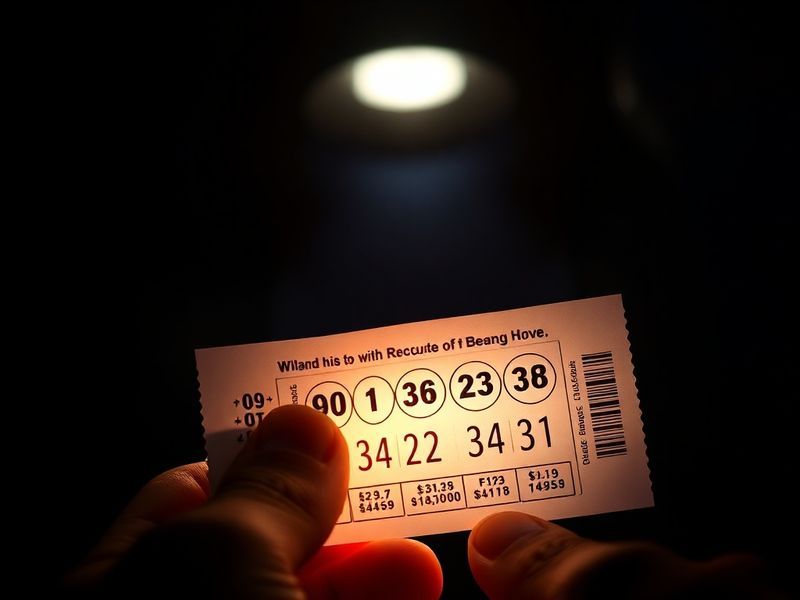
The Powerball lottery has once again captured national attention with a staggering jackpot that left millions of hopeful players across the country dreaming of life-changing fortunes. The latest drawing produced a new set of winning numbers, sparking both celebration and curiosity about what happens next for the lucky ticket holders. But how do these jackpots grow so large, and what should winners—or hopefuls—understand about the process?
The Mechanics Behind Record-Breaking Jackpots
Powerball jackpots accumulate due to a combination of factors that go beyond simple ticket sales. Each drawing sees a portion of every dollar spent on tickets allocated to the prize pool. When no one matches all six numbers, the unclaimed prize rolls over to the next drawing, adding to the next jackpot. This rollover effect, combined with increased ticket sales during high-profile drawings, can push jackpots into the hundreds of millions—sometimes even surpassing the billion-dollar mark.
The odds of winning the Powerball jackpot remain astronomically low at 1 in 292.2 million. Yet, the allure of such a life-altering prize continues to drive participation. The structure of the game ensures that even when the jackpot grows, the chances of winning stay the same. This paradox fuels both the excitement and the frustration of lottery players nationwide.
Understanding the mechanics behind these jackpots reveals why they captivate public imagination. The larger the prize, the more media coverage it receives, creating a feedback loop that encourages even more ticket purchases. This phenomenon turns the lottery into more than just a game—it becomes a cultural event that transcends demographics.
What Happens When Someone Wins?
For the fortunate individual—or group—holding the winning ticket, the moment of realization is often surreal. The first step is verifying the ticket, which must be done in person at an authorized lottery retailer or state office. Once confirmed, winners face a critical decision: take the prize as a lump sum or opt for an annuity that distributes payments over 30 years. The lump sum is typically smaller but provides immediate access to funds, while the annuity offers long-term financial security.
Taxes are the next major consideration. Powerball winnings are subject to federal income tax, and most states also impose additional taxes. The tax burden can significantly reduce the actual take-home amount, making financial planning essential. Winners often consult attorneys, accountants, and financial advisors to navigate the complexities of managing sudden wealth.
Many winners choose to remain anonymous, though this option depends on state laws. In some states, like Delaware and Kansas, winners can claim their prizes without public disclosure. In others, such as California and New York, anonymity is not an option, forcing winners into the spotlight. The decision to go public or stay private can have lasting effects on a winner’s personal and professional life.
Common Misconceptions About Winning
- Myth: Winners can remain completely anonymous in all states.
Reality: Anonymity policies vary widely by state, and some require public disclosure. - Myth: Taking the lump sum means receiving the full advertised jackpot.
Reality: The lump sum is typically about 60% of the advertised jackpot before taxes. - Myth: Winning the lottery automatically solves financial problems.
Reality: Poor financial management leads to many winners losing their fortunes within a few years.
The Broader Impact of Powerball Jackpots
Beyond the individual winners, Powerball jackpots have a ripple effect on local and national economies. When a jackpot reaches record highs, ticket sales surge, generating millions in revenue for state governments. These funds often support public services like education and infrastructure, though critics argue that lotteries disproportionately burden lower-income households.
The psychological impact of these drawings is also noteworthy. For many players, purchasing a ticket represents a small, affordable indulgence—a chance to escape financial struggles, even if just for a moment. Psychologists note that the hope associated with playing the lottery can provide a sense of control in otherwise unpredictable circumstances. However, for problem gamblers, the allure of a massive jackpot can exacerbate addictive behaviors.
Powerball jackpots also highlight disparities in how different communities engage with the lottery. Studies show that lower-income individuals spend a larger percentage of their income on lottery tickets, often viewing it as their only feasible path to financial transformation. This dynamic raises ethical questions about the role of state-sponsored lotteries in perpetuating cycles of hope and financial instability.
Lessons for Aspiring Winners and Cautious Players
For those who dream of winning the Powerball jackpot, preparation and perspective are key. Playing responsibly means setting a budget for ticket purchases and treating the lottery as a form of entertainment rather than an investment strategy. The odds are overwhelmingly against winning, so it’s important to enjoy the process without over-relying on potential outcomes.
If luck does strike, the importance of financial planning cannot be overstated. Winners should resist the urge to make impulsive decisions, such as quitting jobs or making large purchases without consulting professionals. Establishing a trust or seeking expert advice can help preserve wealth and ensure long-term stability.
For the majority of players who won’t win, the takeaway is simple: the real value of playing the lottery lies in the brief moment of hope it provides. Whether it’s a $2 ticket or a $200 million jackpot, the experience can serve as a reminder that life, with all its unpredictability, sometimes offers extraordinary possibilities.
As the next Powerball drawing approaches, the cycle of hope and anticipation will continue. For some, it may be another opportunity to chase a dream. For others, it’s a reminder of the importance of playing wisely—and knowing when to walk away.
For more insights into lottery trends and financial strategies, visit our Trending and Finance category pages.