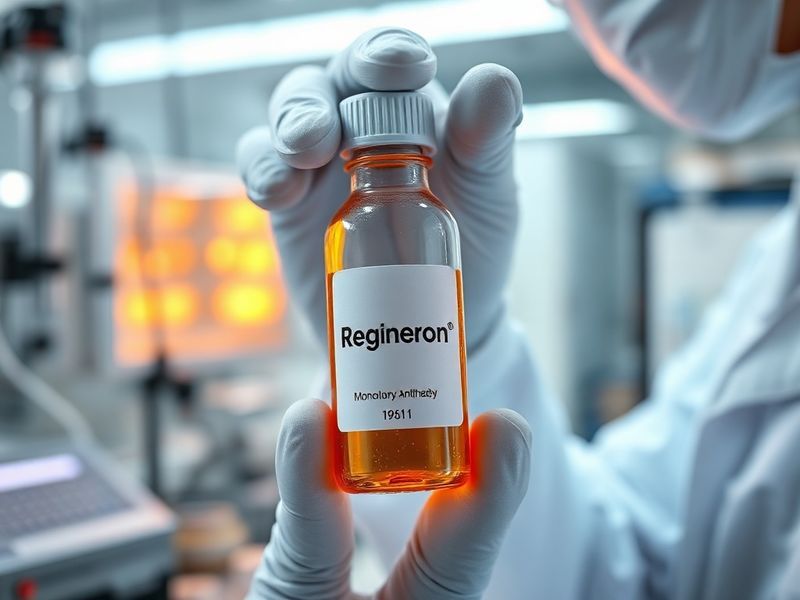
Regeneron Pharmaceuticals has become a household name in recent years, not just within scientific circles but among the general public. The company’s breakthrough antibody treatments, particularly REGN-COV2 (later known as REGEN-COV), gained widespread attention during the COVID-19 pandemic. But Regeneron’s contributions to medicine extend far beyond pandemic response. From pioneering genetic research to developing treatments for chronic diseases, the company has established itself as a leader in biotechnology.
Founded in 1988 by physician-scientists Dr. Leonard Schleifer and Dr. George Yancopoulos, Regeneron has grown from a small startup to a global biotech powerhouse. Its approach combines human genetics, antibody engineering, and data-driven research to develop novel therapies. The company’s VelociSuite technologies—including VelocImmune and VelociGene—have revolutionized how antibodies are discovered and optimized, enabling faster development of treatments for conditions ranging from asthma to cancer.
The Science Behind Regeneron’s Breakthroughs
At the heart of Regeneron’s success is its proprietary platform for antibody discovery and optimization. The company’s VelocImmune platform, for example, uses genetically engineered mice with human immune systems to rapidly produce and test antibodies. This technology has been instrumental in developing treatments like Dupixent (dupilumab) for eczema and asthma, which has become one of the company’s top-selling drugs.
Another key innovation is Regeneron’s “antibody cocktail” approach, which combines multiple antibodies to target different parts of a virus or disease pathway. This strategy was critical in the development of REGEN-COV, a monoclonal antibody treatment for COVID-19. By targeting the spike protein of the SARS-CoV-2 virus, REGEN-COV was designed to block the virus from entering human cells, reducing the severity of infections. Clinical trials showed that the treatment could cut hospitalization and death rates by up to 70% in high-risk patients.
The company’s research extends to other areas as well. Regeneron has made significant strides in ophthalmology with Eylea (aflibercept), a treatment for wet age-related macular degeneration (AMD), a leading cause of blindness. Eylea works by blocking abnormal blood vessel growth in the retina, preserving vision for millions of patients worldwide. As of 2023, Eylea has generated over $10 billion in annual sales, making it one of the most successful drugs in Regeneron’s portfolio.
Regeneron’s Role in the COVID-19 Pandemic
When the COVID-19 pandemic emerged in early 2020, Regeneron quickly pivoted its resources to develop a therapeutic solution. The result was REGEN-COV, a combination of two monoclonal antibodies—casirivimab and imdevimab—that targeted the SARS-CoV-2 virus. The U.S. government pre-ordered doses of the treatment, and it was granted Emergency Use Authorization (EUA) by the FDA in November 2020.
REGEN-COV’s impact was significant. Early studies showed that it could reduce viral load in infected patients, shorten recovery times, and lower the risk of hospitalization. The treatment became a cornerstone of the U.S. pandemic response, particularly for high-risk individuals. However, the emergence of new COVID-19 variants, such as Omicron, posed challenges. Some variants showed resistance to the original formulation of REGEN-COV, prompting Regeneron to develop updated versions of the treatment.
Beyond REGEN-COV, Regeneron contributed to the pandemic response by partnering with the U.S. government to supply doses of the treatment to hospitals and clinics. The company also collaborated with researchers to study the long-term effects of COVID-19 and the potential of antibody treatments for post-acute sequelae of SARS-CoV-2 infection (PASC), commonly known as long COVID.
Regeneron’s Pipeline: What’s Next?
Regeneron’s pipeline is robust, with over 40 programs in clinical development across multiple therapeutic areas. One of the most anticipated drugs is odronextamab, a bispecific antibody for the treatment of certain blood cancers. Bispecific antibodies are engineered to target two different proteins simultaneously, offering a more precise and potent therapeutic approach. Odronextamab is currently in late-stage trials for follicular lymphoma and diffuse large B-cell lymphoma, with promising early results.
The company is also advancing REGN5459, another bispecific antibody, for the treatment of multiple myeloma. Early clinical data suggests it could offer a new option for patients who have exhausted other treatment avenues. In addition to oncology, Regeneron is exploring treatments for metabolic diseases, inflammatory conditions, and rare genetic disorders.
Regeneron’s commitment to innovation is evident in its partnerships with academic institutions and other biotech companies. For example, the company has collaborated with the University of Pennsylvania to develop next-generation CAR-T cell therapies, which harness the power of the immune system to fight cancer. These partnerships ensure that Regeneron remains at the forefront of scientific discovery.
Challenges and Criticisms
Despite its successes, Regeneron has faced challenges and criticisms. One notable issue is the high cost of its drugs. For instance, Eylea and Dupixent are priced at thousands of dollars per year, raising concerns about accessibility and affordability. While Regeneron has implemented patient assistance programs to help offset costs, the pricing of its drugs remains a contentious topic in the healthcare debate.
The company has also been criticized for its reliance on government contracts and partnerships, particularly during the COVID-19 pandemic. Some argue that Regeneron’s collaboration with the U.S. government gave it an unfair advantage in securing lucrative deals. However, Regeneron has defended its actions, stating that its partnerships were essential for rapidly developing and distributing treatments during a global crisis.
Another challenge is the competitive landscape in the biotech industry. With numerous companies developing similar antibody treatments, Regeneron must continuously innovate to maintain its market position. The company’s strong intellectual property portfolio and proven track record in drug development provide a competitive edge, but the race to develop new therapies is intensifying.
Regeneron’s Impact on the Future of Medicine
Regeneron’s contributions to medicine extend beyond its current portfolio. The company is deeply invested in advancing genetic research through initiatives like the Regeneron Genetics Center (RGC). Established in 2014, the RGC has sequenced the genomes of hundreds of thousands of individuals, providing valuable insights into the genetic basis of diseases. This data has been used to identify new drug targets and develop personalized medicine approaches.
One of the RGC’s most significant achievements is its role in the UK Biobank, a large-scale biomedical database and research resource. Regeneron has collaborated with the UK Biobank to analyze genetic data from half a million participants, uncovering genetic links to conditions such as heart disease, diabetes, and Alzheimer’s. These findings are helping to shape the future of precision medicine, where treatments are tailored to an individual’s genetic makeup.
Regeneron is also exploring the potential of gene editing technologies, such as CRISPR, to develop new therapies. While the company has not yet brought a gene-edited product to market, its research in this area could lead to breakthroughs in treating genetic disorders. Additionally, Regeneron is investing in artificial intelligence and machine learning to accelerate drug discovery and optimize clinical trial design.
The future of Regeneron looks promising, with a strong pipeline of innovative therapies and a commitment to advancing scientific knowledge. As the company continues to push the boundaries of biotechnology, it is poised to play a pivotal role in shaping the future of healthcare.
Conclusion: A Legacy of Innovation
Regeneron Pharmaceuticals has established itself as a leader in the biotech industry, driven by a relentless pursuit of scientific discovery and innovation. From its groundbreaking antibody cocktails to its contributions to genetic research, the company has demonstrated the power of combining cutting-edge technology with a deep understanding of human biology. While challenges remain, Regeneron’s impact on medicine is undeniable.
As the company continues to expand its pipeline and explore new frontiers in science, it is well-positioned to address some of the most pressing health challenges of our time. Whether through developing treatments for chronic diseases, combating infectious outbreaks, or advancing precision medicine, Regeneron is shaping the future of healthcare one breakthrough at a time.
For those interested in exploring more about biotechnology and pharmaceutical innovations, visit our Health section or our Science category for deeper insights and analysis.