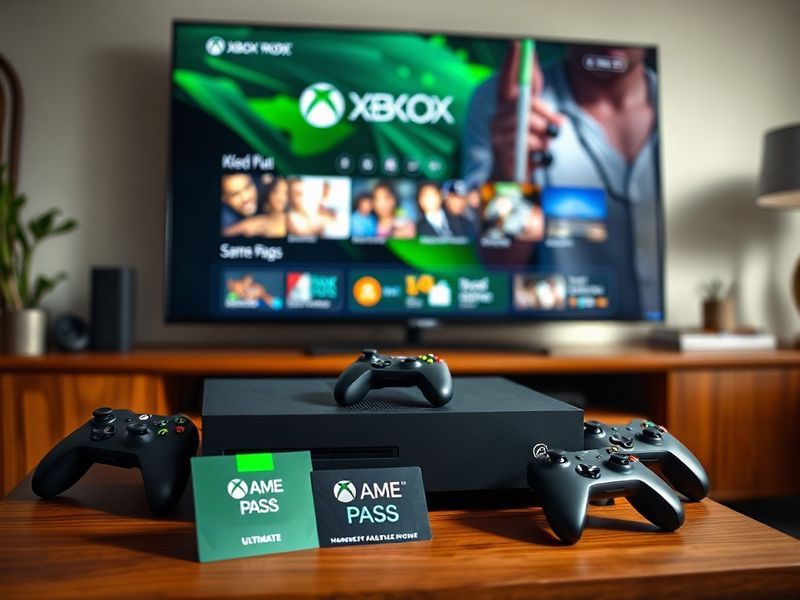
Microsoft’s Xbox Game Pass has become one of the most influential forces in gaming since its launch in 2017. Designed as a Netflix-style subscription service, it offers players instant access to a vast library of games across Xbox consoles, PC, and cloud streaming. What began as a bold experiment has evolved into a cornerstone of Microsoft’s gaming strategy, challenging traditional ownership models and reshaping how players discover and engage with new titles.
The Birth and Evolution of Xbox Game Pass
Xbox Game Pass debuted on June 1, 2017, initially as a console-only service with a modest selection of 100 titles. Microsoft positioned it as a way to give players more value for a fixed monthly fee, contrasting with the upfront cost of individual games. The service quickly gained traction, thanks in part to its inclusion of first-party Xbox exclusives on day one—a move that disrupted long-standing industry norms.
Over the years, Game Pass expanded in scope and reach. In 2019, Microsoft added PC gaming to the mix, allowing users to play supported titles on Windows 10 and 11 devices. Then came cloud gaming in 2020, enabling players to stream games directly to mobile devices or low-end PCs without needing high-end hardware. Today, Xbox Game Pass boasts over 20 million subscribers worldwide, a figure that underscores its rapid growth and mainstream appeal.
Key Milestones in Game Pass History
- 2017: Launch on Xbox One with 100+ games
- 2019: PC Game Pass introduced for Windows users
- 2020: Cloud gaming added via Xbox Cloud Gaming (beta)
- 2023: Over 25 million subscribers reported
- 2024: Game Pass Ultimate merges all tiers into a single subscription
How Xbox Game Pass Works: Tiers and Features
Xbox Game Pass is structured across multiple tiers, each tailored to different player needs and budgets. The core service, Xbox Game Pass for Console, focuses on Xbox exclusives and third-party titles optimized for Xbox hardware. For $9.99 per month, subscribers gain access to a rotating library that includes major releases from Microsoft’s studios such as Bethesda, Rare, and 343 Industries.
The Xbox Game Pass for PC tier offers a similar value proposition but for Windows users. It includes PC-friendly games, often with enhanced graphics and mod support. The subscription costs the same as the console tier but provides a separate library that emphasizes indie titles, strategy games, and simulation experiences.
At the top of the hierarchy sits Xbox Game Pass Ultimate, which combines console, PC, and cloud gaming into a single $16.99-per-month package. Ultimate subscribers also get access to EA Play, a growing collection of Electronic Arts titles like FIFA and Madden NFL. Microsoft has steadily merged these tiers over time, simplifying the decision-making process for new subscribers.
What’s Included in the Library?
The Game Pass library is a carefully curated mix of first-party exclusives, third-party partnerships, and indie gems. Microsoft’s acquisition of Bethesda Softworks in 2020 significantly bolstered the service’s lineup, adding franchises like The Elder Scrolls, Fallout, and Doom to the catalog. Titles are added and removed monthly, creating a dynamic ecosystem where players can explore new games without financial risk.
Notable recent additions include Starfield, Forza Horizon 5, and Sea of Thieves, all of which debuted on Game Pass on their release dates. This strategy has forced competitors like Sony and Nintendo to rethink their own subscription offerings, particularly in response to Microsoft’s aggressive push into cloud gaming and day-one releases.
The Impact on Players and the Industry
For players, Xbox Game Pass represents a fundamental shift in how they consume video games. Instead of purchasing individual titles—often at $60 or more—subscribers pay a predictable monthly fee for unlimited access. This model lowers the barrier to entry, especially for casual players who might not want to commit to buying full-priced games. Families and budget-conscious gamers have particularly benefited from the service’s flexibility.
The subscription model also benefits developers. Indie studios, in particular, gain exposure to millions of potential players without the need for large marketing budgets. Established developers, meanwhile, see their games reach wider audiences, increasing long-term engagement and revenue through add-ons and DLC. Microsoft’s willingness to publish day-one releases on Game Pass has further incentivized third-party publishers to partner with the service.
Challenges and Criticisms
Despite its success, Xbox Game Pass faces several challenges. One ongoing criticism is the transient nature of its library. Games are frequently removed to make room for new additions, which can frustrate players who miss out on titles they were enjoying. Microsoft has addressed this by introducing a “Keep” feature, allowing users to retain selected games permanently once they’re removed from the catalog.
Another concern is internet dependency. While cloud gaming eliminates the need for expensive hardware, it requires a stable connection—something not all players have access to. Latency and input lag can also affect the experience, particularly in fast-paced multiplayer games. Microsoft continues to improve its cloud infrastructure, but regional disparities in internet quality remain an issue.
Finally, the service’s growth has drawn regulatory scrutiny. Microsoft’s 2023 acquisition of Activision Blizzard raised concerns among antitrust regulators about the company’s control over both game development and distribution. While regulators ultimately approved the deal, the process highlighted the growing influence of subscription services like Game Pass on the broader gaming landscape.
The Future of Xbox Game Pass
Looking ahead, Xbox Game Pass is poised to become even more central to Microsoft’s gaming ambitions. The company has hinted at expanding its cloud gaming capabilities, potentially integrating artificial intelligence to personalize game recommendations and improve streaming performance. There’s also speculation about a potential merger between Game Pass and Microsoft’s Xbox Live Gold service, which currently handles online multiplayer subscriptions.
Another area of growth is international expansion. While Game Pass is available in over 40 countries, Microsoft continues to negotiate licensing deals and improve server infrastructure to reach more regions. Emerging markets in Southeast Asia, Latin America, and Africa present significant opportunities for subscriber growth.
Ultimately, Xbox Game Pass is more than just a subscription service—it’s a strategic platform that aligns with Microsoft’s broader goals of integrating gaming into its ecosystem of products and services. With the rise of subscription-based models across entertainment, Game Pass stands as a testament to how gaming can evolve in the digital age. Whether it remains the dominant force in gaming subscriptions will depend on Microsoft’s ability to balance innovation, affordability, and player satisfaction.
Why Xbox Game Pass Matters for Gamers
In an industry often criticized for its high costs and exclusivity deals, Xbox Game Pass offers a refreshing alternative. It democratizes access to games, supports developers, and encourages experimentation. For players tired of the traditional model of buying and owning games, it provides freedom and flexibility. And for Microsoft, it’s a powerful tool to drive engagement across its platforms—from Xbox consoles to Windows PCs and beyond.
As the gaming landscape continues to evolve, Xbox Game Pass remains a key player in shaping what comes next. Whether you’re a hardcore gamer, a casual player, or someone curious about diving into gaming for the first time, the service offers something for everyone. It’s not just about saving money; it’s about redefining how we play.