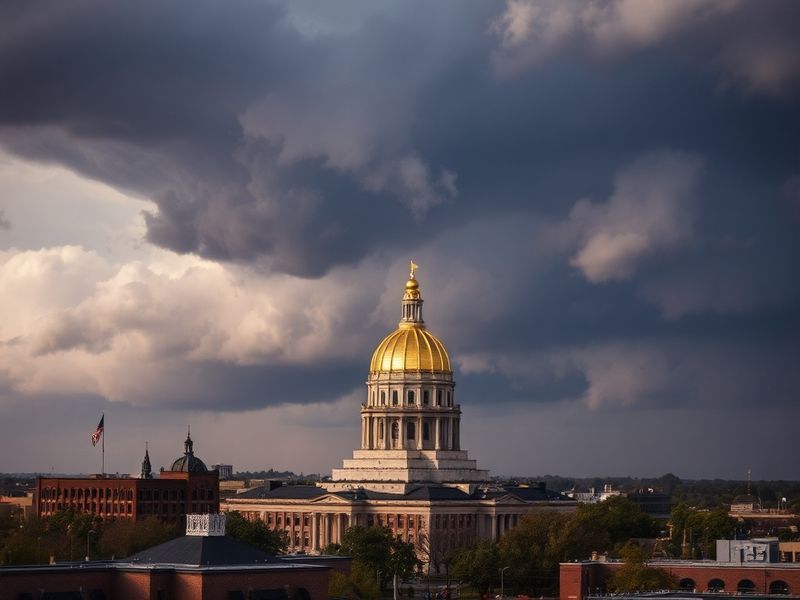
Iowa City’s weather is as unpredictable as it is dramatic. Residents experience everything from gentle spring rains to sudden winter blizzards, all within the same year. This Midwest city endures a full spectrum of climatic extremes, making it a fascinating case study in regional weather patterns. The city’s location in Johnson County places it squarely in the path of both Arctic blasts and Gulf Coast moisture, creating a meteorological battleground.
The contrast between Iowa City’s seasons is striking. Winters can be harsh, with temperatures plunging below zero and snowfall accumulating rapidly. Summers, meanwhile, bring oppressive humidity and thunderstorms that crackle through the night. These dramatic shifts are not just local curiosities—they reflect broader trends in Midwestern weather that have drawn attention from climatologists worldwide.
The Science Behind Iowa City’s Weather Patterns
Iowa City sits in a unique meteorological zone where cold, dry Arctic air collides with warm, moist air from the Gulf of Mexico. This collision zone is responsible for the city’s volatile weather. The National Weather Service tracks these interactions closely, as they often lead to severe storms, including derechos—widespread, long-lived wind storms that can flatten entire neighborhoods.
Climate change has intensified these patterns. According to researchers at the University of Iowa, the state has seen a 20% increase in heavy rainfall events over the past two decades. This trend aligns with global shifts, where warmer temperatures allow the atmosphere to hold more moisture, fueling more intense storms. Iowa City’s flood-prone areas, such as the Iowa River basin, have become critical zones for studying these changes.
Seasonal transitions are particularly dramatic. Spring often arrives with a mix of snowmelt and sudden warm spells, creating a muddy, unpredictable landscape. Fall, by contrast, delivers crisp air and golden foliage, though early frosts can arrive before Halloween. These cycles are deeply embedded in local culture, influencing everything from agriculture to sports schedules.
Extreme Weather Events: A Historical Perspective
Iowa City has faced its share of historic weather disasters. The 2008 flood was one of the most devastating, submerging entire neighborhoods and causing over $2 billion in damages. The event exposed vulnerabilities in the city’s infrastructure and led to long-term planning efforts. Similarly, the 2020 derecho tore through eastern Iowa with winds exceeding 100 mph, leaving a trail of destruction that took months to recover from.
These events are not isolated incidents. A 2021 study by the Iowa Flood Center found that the state’s flood risk has increased by 30% since the 1970s. Tornadoes, while less frequent in Iowa City proper, remain a constant threat in the surrounding region. The city’s emergency management teams conduct regular drills to prepare for these scenarios, underscoring the reality of living in a high-risk climate zone.
Globally, Iowa City’s weather patterns mirror those seen in other Midwestern cities like Chicago and Minneapolis, as well as international counterparts such as Winnipeg, Canada. The shared experience of extreme seasons fosters a sense of camaraderie among residents, who often joke that the weather is the city’s most defining feature.
How Locals Adapt to Iowa City’s Weather
Residents have developed ingenious ways to cope with Iowa City’s unpredictable climate. Winter demands heavy coats, insulated boots, and a tolerance for shoveling snow at dawn. Many businesses install heated sidewalks to combat icy walkways, while homeowners invest in sump pumps to guard against basement flooding. The University of Iowa, a major employer in the area, cancels classes only in the most extreme conditions, reflecting the city’s pragmatic approach to weather disruptions.
Summer brings its own challenges. The humidity can feel suffocating, prompting locals to seek refuge in air-conditioned spaces or the city’s many parks. Farmers markets thrive in the warm months, offering fresh produce that thrives in Iowa’s fertile soil. Yet, the same storms that water the crops can also damage them, forcing growers to adapt with resilient crop varieties and protective measures.
Culturally, Iowa City’s weather has shaped its identity. The annual Iowa City Jazz Festival often coincides with unpredictable spring weather, adding an element of surprise to the festivities. Meanwhile, the Hawkeye football season hinges on crisp autumn days, with fans bundling up for home games at Kinnick Stadium. These traditions highlight how deeply weather influences daily life.
The Global Context: Iowa City in a Changing Climate
Iowa City’s weather is not just a local issue—it’s a microcosm of global climate trends. The Midwest, often called America’s breadbasket, is increasingly vulnerable to extreme weather. A 2022 report from the Intergovernmental Panel on Climate Change (IPCC) identified the region as a hotspot for climate-related risks, including flooding, drought, and heatwaves. Iowa City’s experiences offer valuable lessons for other agricultural communities facing similar challenges.
Internationally, cities in similar climates—such as Manchester, UK, or Cologne, Germany—share Iowa City’s struggle with volatile weather. These regions often implement adaptive strategies like green infrastructure, floodplain restoration, and renewable energy projects to mitigate risks. Iowa City has taken steps in this direction, including the creation of the Iowa Watershed Approach, a program aimed at reducing flood damage through conservation practices.
Yet, adaptation comes with costs. Property insurance premiums in flood-prone areas have skyrocketed, and infrastructure repairs strain municipal budgets. The city’s planners must balance economic growth with resilience, a challenge familiar to urban centers worldwide. As climate change accelerates, Iowa City’s ability to innovate may serve as a model for other communities.
What’s Next for Iowa City’s Weather?
The future of Iowa City’s weather is uncertain, but trends suggest increasing volatility. Scientists predict more frequent and intense rainfall events, as well as longer dry spells between storms. These shifts will have ripple effects on agriculture, infrastructure, and public health. The city’s ongoing efforts to upgrade drainage systems and expand green spaces are critical steps toward resilience.
For residents, the key to thriving in Iowa City’s weather is adaptability. Whether it’s stocking up on sandbags before a flood or installing smart thermostats to handle summer heat, locals have learned to expect the unexpected. This mindset extends beyond individual preparedness—it’s woven into the city’s collective identity.
As Iowa City continues to evolve, its weather will remain a defining force. The city’s ability to weather these storms—literally and figuratively—will shape its future. For now, residents carry on, embracing the unpredictability with a mix of humor, resilience, and determination. After all, in Iowa City, the only constant is change.