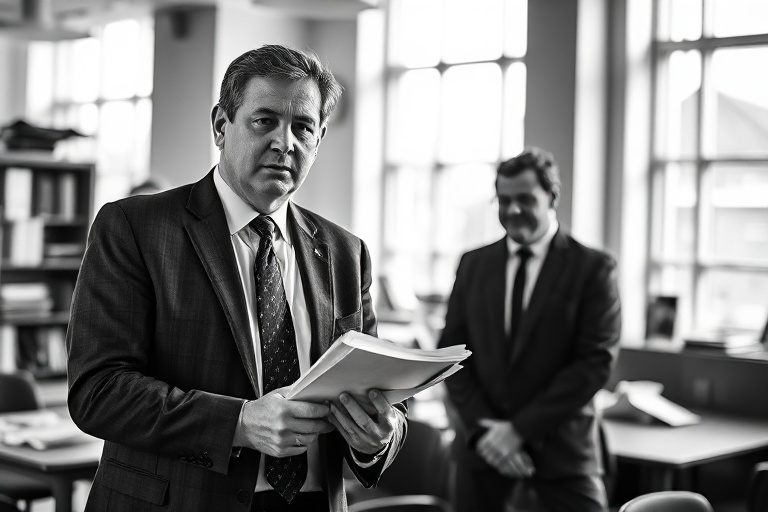
Who Is Jodi Kantor?
Jodi Kantor is an investigative journalist whose work has reshaped modern media, corporate accountability, and public discourse. Born in 1975, she developed an early fascination with storytelling, a passion that led her to Harvard University where she studied history and literature. Kantor began her career at The New York Times, where she quickly distinguished herself as a reporter with an unrelenting focus on power structures and human stories.
Her reporting spans high-profile topics including workplace culture, gender dynamics, and institutional power. Kantor’s approach blends meticulous research with empathy, allowing her to uncover truths that resonate far beyond the page. She has received numerous awards, including a Pulitzer Prize in 2018 for her role in exposing systemic sexual misconduct in Hollywood, a story that sparked a global reckoning.
Breaking Ground with #MeToo and the Harvey Weinstein Investigation
In October 2017, Kantor and her colleague Megan Twohey published a landmark investigation in The New York Times detailing decades of sexual harassment and assault allegations against Hollywood mogul Harvey Weinstein. The report not only named Weinstein but also revealed how powerful figures enabled his behavior for years.
This story did more than expose a single predator; it ignited the #MeToo movement, encouraging survivors worldwide to share their experiences. Kantor and Twohey’s reporting demonstrated how journalism could catalyze social change, proving that accountability is possible even against entrenched power. Their work earned widespread acclaim and reinforced the vital role of investigative journalism in democracy.
The investigation required extraordinary persistence. Kantor spent months cultivating sources, poring over documents, and navigating legal threats. Her ability to humanize the victims while maintaining journalistic rigor set a new standard for ethical reporting on trauma and abuse.
The Role of Investigative Journalism in the Digital Age
Kantor’s success reflects broader shifts in journalism. In an era of misinformation and shrinking newsrooms, her work underscores the importance of deep, patient reporting. Digital tools allowed her team to analyze large datasets, connect disparate sources, and publish interactively—elements that enhanced the impact of the Weinstein exposé.
Yet digital transformation also presents challenges. Social media can amplify both truth and falsehood, complicating the journalist’s role as gatekeeper. Kantor has navigated this landscape by prioritizing accuracy and transparency, often sharing her methodology with readers to build trust.
The Cultural Legacy of Kantor’s Work
Beyond headlines, Kantor’s reporting has influenced corporate policies, legal reforms, and cultural narratives. Her 2019 book, She Said: Breaking the Sexual Harassment Story That Helped Ignite a Movement, co-written with Megan Twohey, became a bestseller and was adapted into an acclaimed film. The book offers a rare behind-the-scenes look at investigative journalism, demystifying the process for a global audience.
Kantor’s influence extends to workplace culture across industries. Her reporting on Amazon’s labor practices and the gender pay gap at major corporations has prompted public scrutiny and internal reforms. By centering the voices of workers and challenging institutional narratives, she has redefined how labor issues are covered in the media.
Global Impact: Journalism as a Force for Justice
While Kantor is best known in the United States, her work resonates globally. The #MeToo movement spread to over 80 countries, with survivors in India, South Korea, and Argentina citing the Weinstein exposé as inspiration. Kantor’s reporting has become a touchstone for activists, lawyers, and policymakers advocating for legal and cultural change.
In Europe, her investigations into tech giants like Uber have influenced debates on gig economy regulation. In Asia, her pieces on gender discrimination have sparked conversations in corporate boardrooms and legislative chambers alike. Kantor’s approach—grounded in facts but driven by human stories—transcends borders, proving that journalism can be both local and universal.
What’s Next for Jodi Kantor?
As of 2024, Kantor continues to shape the future of journalism. She leads The New York Times’ investigative team, where she oversees high-stakes reporting on issues from artificial intelligence ethics to climate accountability. Her work reflects a commitment to holding institutions accountable in an era of rapid technological and social change.
Kantor has also become a mentor to a new generation of journalists. Through lectures, workshops, and public appearances, she emphasizes the importance of curiosity, courage, and ethical rigor. Her legacy is not just in the stories she’s told but in the journalists she’s inspired to follow in her footsteps.
Lessons from Kantor’s Career
For aspiring journalists and media professionals, Kantor’s career offers several key lessons:
- Patience is power: Great journalism often requires months or years of groundwork before a story is ready to publish.
- Human stories drive change: Behind every policy or scandal are real people whose experiences demand to be heard.
- Ethics matter: Transparency with sources, rigorous fact-checking, and humility in storytelling are non-negotiable.
- Collaboration amplifies impact: Kantor’s partnerships with colleagues, editors, and survivors have been central to her success.
A Lasting Influence on Media and Society
Jodi Kantor’s career exemplifies the enduring power of journalism to challenge injustice and shape history. From exposing Harvey Weinstein to redefining workplace accountability, her work has left an indelible mark on culture, law, and public consciousness. In an era where trust in media is often questioned, Kantor’s dedication to truth and transparency serves as a reminder of journalism’s vital role in society.
As digital platforms evolve and global challenges intensify, her approach—centered on rigorous investigation and moral clarity—remains more relevant than ever. Kantor doesn’t just report the news; she helps create the conditions for a fairer, more accountable world.
“The best journalism doesn’t just inform—it transforms. It gives voice to the voiceless and holds power to account.”
— Jodi Kantor, The New York Times
Explore more about the role of investigative journalism in our News and Culture sections.