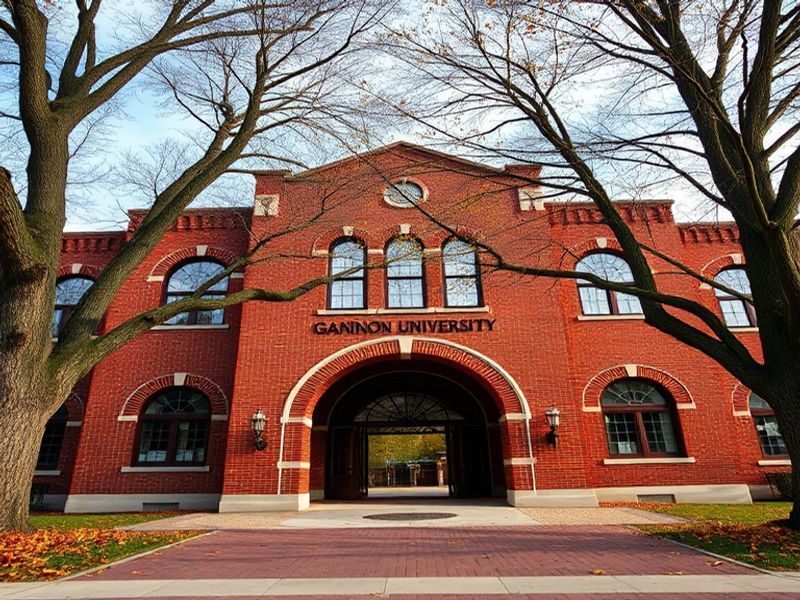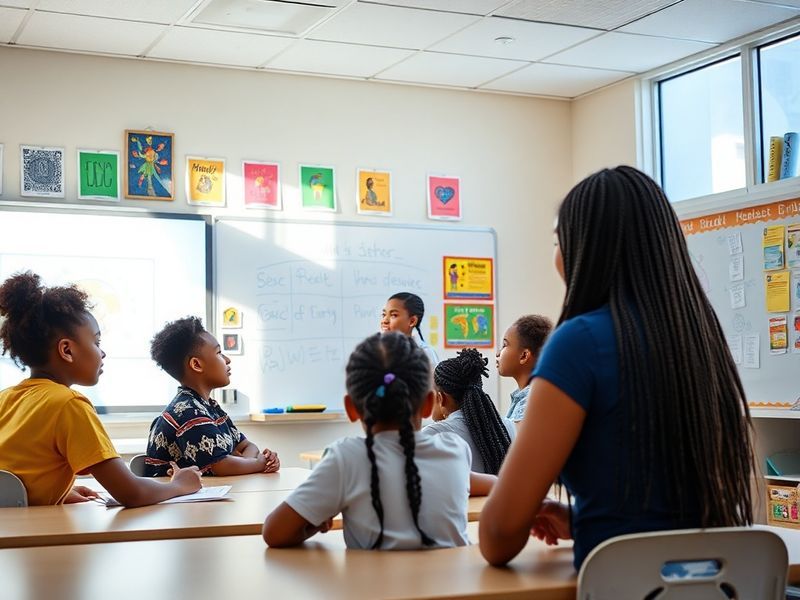
Miami-Dade County Public Schools (M-DCPS) stands as one of the largest and most diverse school districts in the United States. Serving over 350,000 students across 392 schools, the district reflects the vibrant cultural tapestry of South Florida. But beyond the numbers lies a complex ecosystem of innovation, funding hurdles, and evolving educational needs. What makes Miami-Dade schools unique? How do they balance tradition with progress? And what broader lessons can be drawn from their experiences?
The Structure and Scope of Miami-Dade Schools
M-DCPS operates under the leadership of a superintendent and a school board, with oversight from the Florida Department of Education. The district is divided into multiple operational areas, including elementary, middle, high schools, and specialized programs like magnet schools and career academies. This structure allows for tailored educational approaches, but it also creates administrative complexity.
One of the district’s defining features is its diversity. Over 60% of students come from Hispanic backgrounds, with significant populations of Black, White, and Asian students. English language learners make up nearly 50% of the student body, presenting both challenges and opportunities in curriculum design. The district offers extensive language support programs, including dual-language immersion initiatives that aim to preserve cultural heritage while fostering bilingual proficiency.
Specialized programs play a critical role in Miami-Dade’s educational landscape. Magnet schools, for instance, attract students based on academic focus areas such as STEM, performing arts, or international studies. These programs help reduce overcrowding in traditional schools while providing niche educational opportunities. Career and technical education (CTE) pathways prepare students for high-demand industries like healthcare, aviation, and hospitality—sectors that are vital to Miami’s economy.
Innovation in the Classroom: Technology and Curriculum
Miami-Dade has positioned itself as a leader in educational technology adoption. The district launched the Digital Classroom Initiative in 2014, providing students and teachers with access to devices, digital content, and online learning platforms. This move was accelerated by the COVID-19 pandemic, which forced a rapid transition to remote learning. While the shift was disruptive, it also highlighted the district’s capacity to adapt.
Digital literacy is now a core competency within the curriculum. Students engage with coding, robotics, and digital citizenship programs from an early age. Partnerships with organizations like Code.org and local tech companies have expanded access to computer science education. These efforts align with Florida’s push to strengthen STEM education, preparing students for careers in a tech-driven economy.
Curriculum innovation extends beyond technology. Miami-Dade has been a pioneer in implementing project-based learning (PBL) models, where students tackle real-world problems through collaborative projects. This approach fosters critical thinking and problem-solving skills, competencies that are increasingly valued in higher education and the workforce. Schools like Design and Architecture Senior High (DASH) demonstrate how specialized curricula can nurture creative talent while maintaining academic rigor.
Key Initiatives in Miami-Dade Schools
- Dual Language Programs: Bilingual education that supports both English and Spanish proficiency, serving over 50,000 students.
- Career Academies: 39 career-focused programs across 28 high schools, preparing students for industry certifications.
- Digital Classroom Initiative: Equipped over 100,000 students with devices and provided teacher training in blended learning.
- Community Schools Model: Partnerships with local organizations to provide wraparound services like healthcare, mentoring, and after-school programs.
- Advanced Studies Programs: Dual enrollment options with Miami Dade College and the University of Miami, allowing high schoolers to earn college credits.
Challenges and Criticisms
Despite its achievements, Miami-Dade schools face persistent challenges. Funding disparities remain a significant issue, with some schools receiving fewer resources due to lower local tax bases. The district relies heavily on state and federal funding, which can be unpredictable and subject to political whims. This financial instability complicates long-term planning for school leaders.
Student performance metrics present another area of concern. While some schools excel, others struggle with low graduation rates and below-average standardized test scores. The achievement gap between affluent and low-income neighborhoods is particularly pronounced. Critics argue that the district’s size and diversity make it difficult to address these disparities effectively.
Teacher retention is also a pressing issue. Miami-Dade schools employ over 20,000 teachers, many of whom leave the profession within the first five years due to burnout, low salaries, and lack of administrative support. The district has responded with initiatives like the Teacher Leadership Program, which offers career advancement opportunities without requiring educators to leave the classroom.
Broader Implications for Public Education
Miami-Dade’s experiences offer valuable insights for other large, urban school districts. Its success in implementing dual-language programs, for example, serves as a model for districts with growing immigrant populations. The district’s embrace of technology demonstrates how digital tools can enhance learning outcomes when paired with proper training and infrastructure.
However, Miami-Dade also highlights the limitations of market-based reforms in education. The proliferation of charter schools and school choice programs has created competition, but it has not necessarily led to equitable outcomes. Some critics argue that these policies divert resources from traditional public schools, exacerbating inequalities. The district’s approach—balancing innovation with equity—offers a nuanced perspective on the challenges of systemic reform.
Another lesson lies in the importance of community engagement. Miami-Dade schools have leveraged partnerships with local businesses, nonprofits, and cultural institutions to enrich educational experiences. These collaborations extend beyond funding; they foster a sense of shared responsibility for student success. This model could be replicated in other districts seeking to build stronger connections between schools and their communities.
What’s Next for Miami-Dade Schools?
Looking ahead, Miami-Dade is poised to continue its evolution. The district has committed to expanding early childhood education programs, recognizing that foundational skills developed in the first five years of life are critical to long-term success. It is also investing in mental health resources, a response to the growing recognition of social-emotional learning needs among students.
Sustainability is another emerging focus. Schools are incorporating environmental education into their curricula, teaching students about climate change, conservation, and green technologies. This aligns with Miami’s broader efforts to address environmental challenges, particularly in a city vulnerable to sea-level rise.
Ultimately, Miami-Dade schools embody the complexities of modern public education. They are laboratories of innovation and equity, but also battlegrounds for funding battles and policy debates. Their story is far from finished, and the lessons learned here will shape the future of education not just in Florida, but across the country.
For those interested in exploring more about educational trends and innovations, Dave’s Locker’s Education section offers in-depth analysis and resources. To stay updated on policy changes affecting public schools, visit the News category for timely reporting.
Conclusion
Miami-Dade County Public Schools represents a microcosm of the opportunities and challenges facing public education today. Through technological integration, diverse programming, and community partnerships, the district has carved out a reputation for innovation. Yet, it continues to grapple with funding gaps, achievement disparities, and the pressures of a rapidly changing world. As Miami-Dade navigates these issues, its experiences will undoubtedly inform broader conversations about the future of education in America. For educators, policymakers, and families alike, the district’s journey offers both inspiration and cautionary tales—reminding us that progress is never linear, but always possible.