The Rise of the Alternative Draft Experience
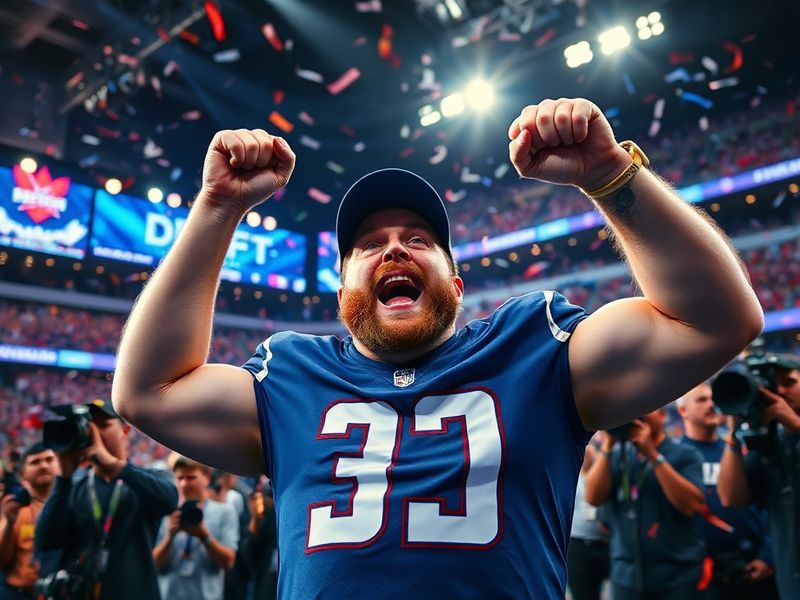
The NFL Draft has long been a cornerstone of American sports culture, a multiday event where teams select college prospects in a carefully orchestrated spectacle. For decades, ESPN and NFL Network dominated the broadcast, presenting the draft as a straightforward, if occasionally dull, celebration of football’s future. That changed in 2022 when comedian, podcast host, and former WWE star Pat McAfee launched his own draft coverage on YouTube and later CBS Sports. What began as a side project quickly became a cultural touchstone, redefining how audiences engage with the NFL’s most anticipated offseason event.
McAfee’s approach was anything but traditional. While networks relied on studio analysts and polished presentations, McAfee embraced raw energy, unfiltered reactions, and a fan-first mentality. His draft extravaganza featured surprise guests, improvised segments, and a level of unpredictability that mainstream broadcasts couldn’t—or wouldn’t—match. The result? A live event that felt less like a corporate production and more like hanging out with friends who happened to know a lot about football.
The Cultural Shift Behind the Spectacle
McAfee’s success reflects broader shifts in sports media consumption. Younger audiences, particularly Gen Z and millennials, increasingly favor digital platforms over linear television. Platforms like YouTube, Twitch, and Twitter/X have democratized live event coverage, allowing personalities outside traditional networks to thrive. The Pat McAfee Draft Spectacular capitalized on this trend, offering a faster, more entertaining alternative to the NFL’s own broadcasts.
Culturally, the event also tapped into the growing appetite for personality-driven sports content. Figures like McAfee, Stephen A. Smith, and Colin Cowherd have built massive followings by blending analysis with entertainment. This evolution mirrors the rise of personalities in esports, WWE, and even traditional sports journalism, where charisma often trumps pedigree. The draft spectacular wasn’t just about football; it was about creating a shared experience that felt personal, even intimate.
Internationally, the phenomenon highlights the global reach of American sports content. While the NFL has long sought to expand its footprint overseas, McAfee’s draft coverage reached fans in Europe, Asia, and beyond through digital platforms. The accessibility of YouTube and social media allowed international audiences to engage with the draft in real time, often with their own commentary and reactions. This global participation underscored how sports media is no longer confined by geography or traditional broadcasting rights.
The Format: Breaking Down the Spectacular
McAfee’s draft coverage stands out for its structure and spontaneity. Unlike the NFL Network’s methodical telecasts, the Pat McAfee Draft Spectacular was built on flexibility. The show featured live reactions from McAfee and his crew, often interspersed with interviews, debates, and even musical performances. The use of YouTube’s chat function allowed fans to interact directly, creating a sense of community that linear broadcasts couldn’t replicate.
Key elements of the format include:
- Unscripted Moments: McAfee’s crew, which includes former NFL players and analysts like A.J. Hawk and Ryan Grigson, frequently improvised reactions, jokes, and even arguments. This unpredictability kept the broadcast fresh and engaging.
- Fan Integration: Viewers could submit questions, memes, and hot takes via social media, which were often featured on-air. This made the audience feel like active participants rather than passive observers.
- Guest Appearances: The show regularly featured high-profile guests, from NFL stars to musicians like Machine Gun Kelly. These appearances added star power and drew in audiences who might not typically watch the draft.
- Multi-Platform Engagement: While the main broadcast was on YouTube and CBS, clips and highlights spread rapidly across TikTok, Twitter, and Instagram. This cross-platform strategy maximized reach and engagement.
The result was a draft experience that felt like a hybrid of a late-night talk show, a podcast, and a sports bar. It wasn’t just about who was drafted; it was about the stories, the drama, and the sheer entertainment value of the event.
Impact on Traditional Sports Media
McAfee’s draft spectacular didn’t just carve out a niche for itself—it forced traditional networks to take notice. ESPN and NFL Network, long the undisputed kings of draft coverage, began experimenting with their own digital expansions. ESPN+, for example, launched its own draft-day studio show, while NFL Network introduced more interactive elements to its broadcasts. The message was clear: if you can’t beat the alternative, join it.
This shift also highlighted the growing power of individual personalities over corporate entities. McAfee’s success demonstrated that audiences are increasingly drawn to creators who share their values and sensibilities, rather than faceless networks. This trend extends beyond sports, influencing everything from news coverage to entertainment. The Pat McAfee Draft Spectacular became a case study in how to disrupt an industry by prioritizing authenticity over tradition.
For advertisers and sponsors, the spectacle also proved that alternative platforms could deliver massive engagement. Brands that aligned with McAfee’s audience—young, digitally savvy, and sports-obsessed—found new avenues for reaching consumers. This has broader implications for the future of sports advertising, where targeted, personality-driven content may outperform traditional commercial breaks.
Looking Ahead: The Future of Draft Coverage
The Pat McAfee Draft Spectacular is more than a one-off event; it’s a blueprint for the future of sports media. As traditional broadcasts struggle to retain younger audiences, alternative formats like McAfee’s are likely to proliferate. The key to their success will be balancing entertainment with substance—a challenge that McAfee’s team has largely met.
For fans, this evolution means more choice and more ways to consume their favorite events. Whether it’s through a polished network broadcast or a chaotic YouTube livestream, the draft is no longer a monolithic experience. It’s a menu of options, each catering to different tastes and preferences.
As for McAfee himself, his draft spectacular has cemented his status as a pioneer in sports media. His willingness to take risks and defy conventions has not only redefined draft coverage but also inspired a new generation of creators to think outside the box. The question now is whether traditional networks can adapt—or if they’ll continue to play catch-up in an era where the audience holds all the power.
A Global Audience for an American Tradition
The NFL Draft’s global expansion has been a slow burn, but McAfee’s approach accelerated it. By embracing digital platforms, he made the draft accessible to fans who might never tune into an NFL game. In countries like the UK, Germany, and Mexico, where American football is growing but still niche, the draft spectacular provided a gateway to the sport. The use of social media allowed international fans to participate in discussions, share reactions, and even host watch parties of their own.
This globalization of the draft reflects a larger trend in sports media. Leagues and broadcasters are increasingly tailoring content to international audiences, recognizing that the future of sports fandom is not confined to domestic markets. McAfee’s success in reaching global audiences underscores the importance of digital-first strategies in today’s media landscape.
For the NFL, this presents both an opportunity and a challenge. The league has invested heavily in international growth, from games played in London and Mexico City to localized marketing campaigns. However, the shift toward personality-driven content could complicate its control over its own narrative. If fans worldwide prefer McAfee’s unfiltered take over the NFL’s polished broadcast, the league may need to reconsider how it engages with its global audience.
The Role of Podcasting and Live Content
McAfee’s rise to prominence is deeply tied to his podcast, The Pat McAfee Show, which has become one of the most popular sports podcasts in the world. The podcast’s success laid the groundwork for his draft spectacular, proving that there was an appetite for his brand of content. This interplay between podcasting and live events is a key trend in modern media, where creators build audiences through long-form content and then monetize through live experiences.
The draft spectacular itself was a natural extension of the podcast’s format. The live, unscripted nature of both mediums appeals to audiences seeking authenticity. In an era where media is often criticized for being overly polished or agenda-driven, McAfee’s approach feels refreshingly real. This authenticity is a driving force behind the success of both his podcast and his live events.
Looking ahead, the fusion of podcasting and live content is likely to become even more prevalent. Creators who can bridge the gap between the two—offering both in-depth analysis and spontaneous, engaging live experiences—will be well-positioned to dominate the sports media landscape.