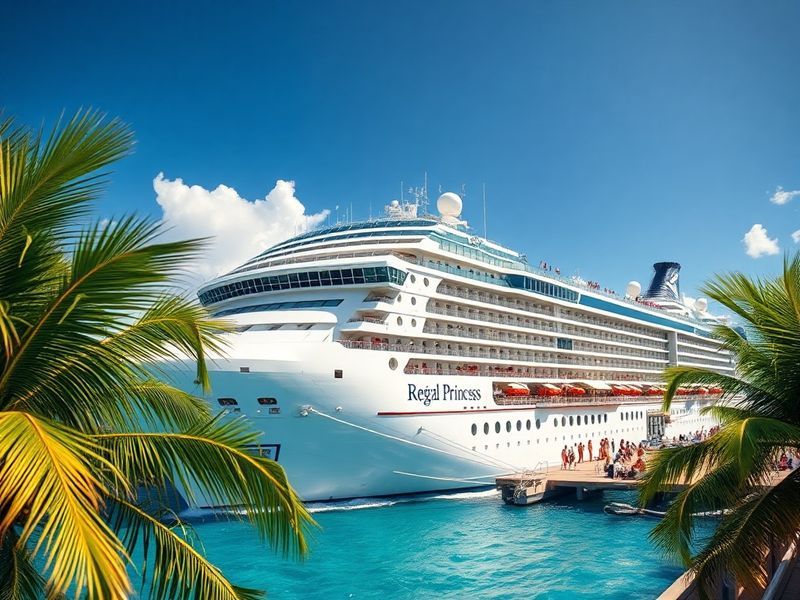
For over six decades, Princess Cruises has redefined ocean travel by blending classic elegance with cutting-edge technology. The cruise line’s evolution mirrors broader shifts in the travel industry, where sustainability and guest experience now rival traditional luxury as top priorities.
The Origins and Rise of a Cruise Icon
Princess Cruises began in 1965 with a single ship, the Princess Patricia, offering voyages between Los Angeles and Mexico. The line quickly distinguished itself by targeting American travelers seeking affordable yet refined experiences. In 1975, the introduction of the Pacific Princess marked a turning point. This ship became the star of the 1970s TV series The Love Boat, cementing Princess Cruises in pop culture history.
By the 1980s and 1990s, Princess expanded globally, launching ships like the Crown Princess and Regal Princess. These vessels featured innovations such as the first at-sea Lotus spa and later, the industry’s largest balconies. The cruise line’s growth paralleled the rise of the modern cruise industry, which transformed from a seasonal niche into a year-round global phenomenon.
Today, Princess operates a fleet of 15 ships, serving over 500 destinations across the globe. The company’s focus on mid-sized ships—typically between 2,600 and 3,600 passengers—allows for more intimate ports of call and avoids the overcrowded mega-ship experience.
Innovation and Design: What Sets Princess Apart
Princess Cruises has long been recognized for its forward-thinking approach to ship design. In 2004, the line introduced the Grand Princess, the first of its “Grand-class” vessels, which featured the now-iconic multi-story atrium and sweeping staircases. This design philosophy prioritizes open spaces and natural light, creating a sense of airiness uncommon in traditional cruise ships.
The cruise line’s commitment to innovation extends beyond aesthetics. In 2013, Princess became the first major cruise brand to introduce a new fleetwide program for environmental compliance, known as Green Cruising. This initiative includes advanced waste management systems, energy-efficient engines, and partnerships with organizations like the World Wildlife Fund to monitor and reduce environmental impact.
Another hallmark of Princess’s approach is its focus on culinary excellence. The cruise line employs Michelin-trained chefs and offers diverse dining options, from casual buffets to specialty restaurants featuring regional cuisines. Themed cruises, such as the entertainment-focused voyages, cater to niche audiences, blending travel with curated experiences.
Key Features of Princess Cruises’ Modern Fleet
- Skywalkers Nightclub: A multi-level nightclub suspended 136 feet above sea level, offering panoramic ocean views.
- The Sanctuary: An adults-only retreat with private cabanas, loungers, and shaded areas, providing a tranquil escape.
- OceanMedallion Technology: A wearable device that streamlines everything from stateroom access to onboard payments and personalized service.
- Mediterranean and Caribbean Itineraries: Year-round programs that emphasize cultural immersion and off-the-beaten-path ports.
- Partnerships with travel Experts: Collaborations with luxury travel advisors to curate bespoke voyages for discerning clients.
The Broader Implications: Cruise Industry Trends and Challenges
Princess Cruises’ strategies reflect broader trends in the cruise industry, which has grown into a $150 billion market. One major shift is the demand for sustainability. Regulatory bodies like the International Maritime Organization (IMO) have imposed stricter emissions standards, pushing companies like Princess to adopt LNG (liquefied natural gas) and shore power capabilities. The cruise line’s recent order of two new LNG-powered ships, set for delivery in 2023 and 2025, underscores this commitment.
Another trend is the rise of “experiential cruising,” where itineraries focus on enrichment rather than passive relaxation. Princess’s collaboration with the Discovery Channel to create the Discovery at Sea program exemplifies this. Guests can participate in exclusive behind-the-scenes tours, marine biology workshops, and even deep-sea diving excursions. This approach aligns with a larger cultural shift toward experiential travel, where consumers prioritize meaningful engagement over traditional sightseeing.
The COVID-19 pandemic posed unprecedented challenges for the cruise industry, halting operations for over a year. Princess Cruises responded by implementing rigorous health protocols, including mandatory vaccinations, testing, and enhanced air filtration systems. The recovery has been gradual but steady, with pent-up demand driving record bookings in 2022 and 2023. However, the pandemic also exposed vulnerabilities in the industry’s reliance on global supply chains and labor forces, prompting companies to reassess operational resilience.
Princess’s focus on mid-sized ships also addresses a growing consumer preference for smaller vessels. Mega-ships, while popular for their amenities, often face criticism for their environmental impact and the impersonal nature of their onboard experiences. By contrast, Princess’s ships offer a balance of luxury and intimacy, appealing to travelers who value community and connection.
Looking Ahead: The Future of Princess Cruises
Princess Cruises is poised to continue its legacy of innovation with several upcoming projects. The delivery of its new LNG-powered ships will set a new standard for eco-friendly cruising. Additionally, the cruise line is expanding its expedition offerings, with new itineraries to the Arctic, Antarctica, and remote Pacific islands. These voyages cater to the growing segment of travelers seeking adventure and sustainability in equal measure.
The company is also investing in digital transformation, enhancing its OceanMedallion technology to create seamless, personalized experiences. Future iterations may include augmented reality (AR) features, allowing guests to explore destinations with interactive guides or access real-time information about onboard activities.
As the cruise industry evolves, Princess Cruises’ ability to balance tradition with innovation will be key to its continued success. The company’s focus on sustainability, experiential travel, and guest-centric design positions it well to meet the demands of a new generation of travelers. Whether through its classic transatlantic crossings or its cutting-edge expedition voyages, Princess remains a leader in redefining what it means to cruise.
Why Princess Cruises Stands Out in a Competitive Market
- Sustainability Leadership: Pioneering LNG-powered ships and comprehensive environmental programs.
- Cultural and Educational Offerings: Partnerships with Discovery Channel and other experts to create immersive experiences.
- Inclusive Luxury: Mid-sized ships that avoid the crowds of mega-ships while offering premium amenities.
- Technological Integration: OceanMedallion and other innovations that enhance convenience and personalization.
- Global Reach with Local Flavor: Itineraries that blend iconic destinations with hidden gems, appealing to both first-time cruisers and seasoned travelers.
Princess Cruises’ journey from a single ship in 1965 to a global leader in luxury travel is a testament to its adaptability and commitment to excellence. As the industry navigates new challenges and opportunities, the cruise line’s focus on sustainability, innovation, and guest experience ensures its place at the forefront of ocean travel. For those seeking a cruise that combines classic elegance with modern sophistication, Princess Cruises remains a top choice.