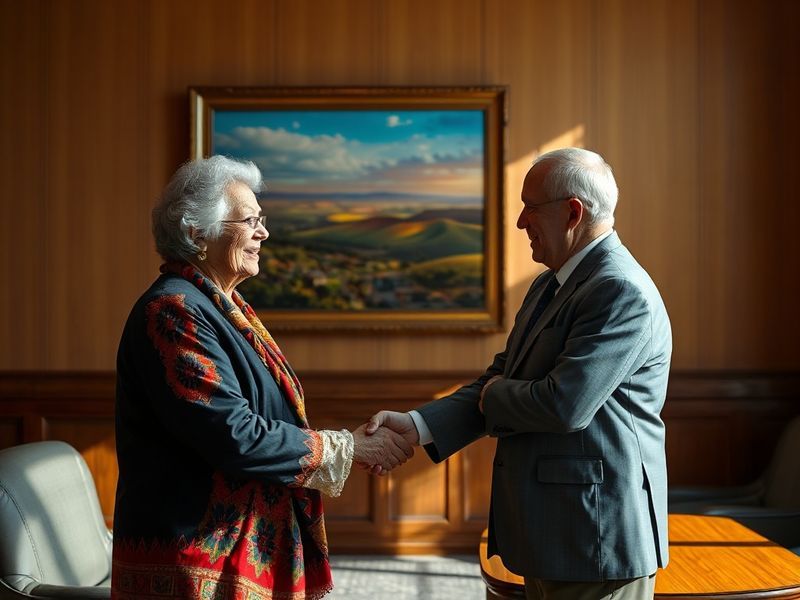
reconciliation
“`html
Reconciliation: Paths to Healing and Restored Relationships
Reconciliation remains one of the most complex yet essential processes in human relationships, whether personal, communal, or national. It involves deliberate efforts to restore trust, address harm, and rebuild connections after conflict or division. While the word often carries emotional weight, its practice requires more than sentiment—it demands action, accountability, and time. Across different contexts, reconciliation takes shape through unique processes tailored to the needs of those involved.
The Foundations of Reconciliation
At its core, reconciliation is rooted in acknowledging past wrongs and seeking to repair the damage caused. This begins with truth-telling—an honest recognition of what occurred, who was affected, and how systemic or interpersonal injustices manifested. Without truth, reconciliation risks becoming performative rather than transformative. For example, in post-apartheid South Africa, the Truth and Reconciliation Commission (TRC) prioritized both public testimony and amnesty as a means to facilitate national healing. Survivors shared their stories, perpetrators faced consequences, and the nation began to confront its history collectively.
Another foundational element is justice, which exists on multiple levels. Restorative justice, in particular, focuses on repairing harm rather than solely punishing wrongdoing. It brings together victims, offenders, and communities in facilitated dialogue. Studies show that when victims feel heard and offenders take responsibility, the likelihood of reoffending decreases significantly. This approach contrasts with punitive models that often leave underlying tensions unresolved. Reconciliation thrives when justice is not just legal but also emotional and social.
Key Principles in Reconciliation Efforts
- Accountability: Perpetrators must acknowledge their role in harm without deflection or minimization.
- Empathy: Both victims and offenders are encouraged to understand each other’s perspectives, though this does not excuse harm.
- Participation: Affected communities must be actively involved in shaping the reconciliation process, not just as observers.
- Sustainability: Healing takes time; short-term gestures rarely lead to lasting change without ongoing commitment.
Personal Reconciliation: Mending Broken Bonds
On an individual level, reconciliation often begins with introspection. Family estrangements, betrayals in friendships, or workplace conflicts can leave deep emotional scars. Unlike national or historical reconciliation, personal reconciliation is usually private, though it can benefit from external support such as mediation or counseling. Forgiveness, though frequently misunderstood, is not synonymous with reconciliation. A person can forgive without restoring a relationship, especially if trust has been severely broken. True reconciliation requires mutual willingness to move forward together.
Consider the example of a parent and adult child who have been estranged for years. Reunion may begin with small steps—an apology, a shared meal, or a heartfelt conversation. Over time, as both parties demonstrate consistency in their words and actions, trust can gradually rebuild. However, this process is rarely linear. Old wounds may reopen, and progress can stall. Patience and clear boundaries become essential tools in navigating these challenges.
Reconciliation in Communities and Societies
When reconciliation extends beyond individuals, it often involves structural change. Communities recovering from violence, discrimination, or historical oppression must address both the emotional and systemic dimensions of harm. Land acknowledgments, reparations, and inclusive policy reforms are some of the ways societies attempt to reconcile with marginalized groups. For instance, Canada’s residential school system left generations of Indigenous families traumatized. The country’s formal apology in 2008 and ongoing efforts toward reconciliation through education and resource allocation reflect a slow, deliberate process of repair.
Yet, reconciliation at this scale faces significant obstacles. Political will often wanes over time, and public memory can be short-lived. In some cases, reconciliation efforts are co-opted by governments seeking to appear progressive without implementing meaningful action. For example, Australia’s National Apology to the Stolen Generations in 2008 was widely praised, but critics pointed out that it lacked follow-through in addressing ongoing disparities in Indigenous communities. This highlights a critical truth: reconciliation without action is hollow.
Barriers to Reconciliation and How to Overcome Them
Despite its importance, reconciliation is rarely straightforward. Several barriers can impede progress, starting with denial. When individuals or institutions refuse to acknowledge harm, reconciliation cannot begin. This is evident in debates over colonial legacies, where some argue that past injustices should not burden present generations. However, such perspectives ignore the ongoing effects of historical trauma, from economic disparities to cultural erasure. Denial perpetuates cycles of pain rather than breaking them.
Another barrier is fear—fear of facing uncomfortable truths, fear of retaliation, or fear of opening old wounds. In post-conflict societies, former enemies may resist reconciliation due to concerns about safety or stability. This is why many transitional justice processes incorporate guarantees of security and psychological support for participants. Without these safeguards, reconciliation efforts can retraumatize individuals and deepen divisions.
Finally, reconciliation is often hindered by impatience. Healing is not a quick fix, and progress can feel imperceptible for years. Communities may grow frustrated with the slow pace of change and abandon efforts prematurely. This is why reconciliation must be viewed as a long-term commitment, not a one-time event. It requires consistent investment in dialogue, education, and policy reform.
Common Missteps in Reconciliation
- Focusing on symbolic gestures (e.g., apologies) without tangible action.
- Assuming reconciliation means “moving on” rather than addressing root causes.
- Pressuring victims to forgive before they are ready, which can re-traumatize.
- Ignoring the voices of marginalized groups in shaping the process.
Reconciliation is not a destination but a continuous practice. It demands courage from all involved—victims, offenders, communities, and leaders alike. Whether repairing a personal relationship or addressing centuries of systemic injustice, the process is fraught with challenges, but it is also where real transformation begins. When done with integrity, reconciliation does not just heal wounds; it creates the conditions for a more just and connected future.
For those interested in learning more about related topics, explore our categories on News and Culture for deeper analysis on social healing and historical justice movements.
—
METADATA
{
“title”: “Reconciliation: Healing Broken Bonds and Restoring Trust”,
“metaDescription”: “Explore what reconciliation truly means across personal, community, and societal levels and how healing begins.”,
“categories”: [“Culture”, “News”],
“tags”: [“restorative justice”, “conflict resolution”, “historical healing”, “truth and reconciliation”, “social repair”],
“imageDescription”: “A diverse group of people sitting in a circle during a facilitated dialogue session, with one person speaking while others listen attentively. The setting is a warmly lit community center with soft natural light, conveying hope and active listening.”
}
—END METADATA—
“`