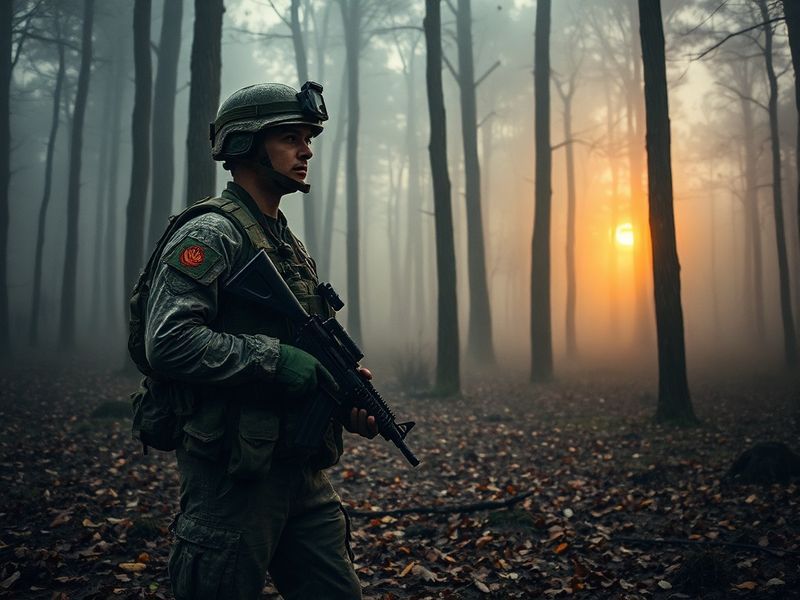
The word “soldier” evokes images of battlefield heroism and sacrifice, but the role extends far beyond combat. Today’s soldiers are first responders, peacekeepers, and humanitarian workers. Their duties reflect the evolving nature of global conflict and the expectations placed on modern militaries.
From Frontlines to Community: The Expanding Responsibilities
Modern soldiers often serve in roles that prioritize stability over combat. Peacekeeping missions in Africa and the Middle East require cultural sensitivity and negotiation skills. Disaster response operations, like those after Hurricane Katrina or the 2010 Haiti earthquake, showcase soldiers as emergency responders. These expanded duties demand adaptability and specialized training.
The U.S. Army’s recent focus on “security cooperation” highlights this shift. Soldiers train foreign militaries, conduct medical outreach, and support infrastructure projects. These activities build alliances but also blur the line between soldier and diplomat. The Pentagon now allocates significant resources to such programs, signaling their strategic importance.
The Psychological and Social Impact on Soldiers
The mental health of soldiers has become a critical issue. Studies show that prolonged deployments and exposure to trauma lead to higher rates of PTSD and depression. The Department of Veterans Affairs reports that over 20% of Iraq and Afghanistan veterans suffer from these conditions. Yet, societal awareness remains inconsistent.
Programs like the Wounded Warrior Project and the VA’s mental health initiatives provide support, but gaps persist. Many soldiers struggle with reintegration into civilian life. The stigma around seeking help still lingers, despite efforts to normalize mental health care in the military. This challenge reflects broader societal issues about how communities support those who serve.
Technology’s Role in Modern Soldiering
Technology has transformed every aspect of a soldier’s life. Drones and AI assist in reconnaissance and targeting, reducing risk but raising ethical questions. Exoskeletons and advanced body armor enhance physical capabilities, while wearable sensors monitor health in real time. These innovations improve survival rates but also create new vulnerabilities.
Cyber warfare presents another frontier. Soldiers now train in digital defense, protecting military networks from attacks. The 2015 hack of the U.S. Central Command’s social media accounts underscored this threat. As warfare evolves, soldiers must adapt to an increasingly digital battlefield.
Key Takeaways on the Modern Soldier
- Soldiers today serve in diverse roles beyond traditional combat.
- Peacekeeping, disaster response, and training missions are now core duties.
- Mental health remains a critical challenge, despite increased awareness.
- Technology reshapes both the capabilities and risks soldiers face.
The Broader Implications for Society
The changing role of soldiers affects global politics and domestic policies. Nations with active peacekeeping forces often gain diplomatic influence. However, over-reliance on military solutions can strain international relations. Domestically, veterans’ benefits and reintegration programs highlight societal priorities.
Public perception also plays a role. Movies and media often glorify combat while downplaying the mundane or humanitarian aspects of military life. This disconnect can lead to misunderstandings about the soldier’s true role. Addressing these gaps requires transparent communication from military leadership and media outlets alike.
The economic impact is another consideration. Military budgets divert funds from other sectors like education and infrastructure. Yet, the defense industry employs millions, creating a complex balance between security and public investment. Policymakers must weigh these trade-offs carefully.
Looking Ahead: The Future of Soldiering
The next decade will see further evolution in the soldier’s role. Climate change may increase demand for military-led disaster response. The rise of autonomous weapons could redefine combat entirely. Soldiers will need to master both traditional skills and cutting-edge technologies.
Society must also prepare for these changes. Investing in veterans’ mental health, supporting reintegration programs, and fostering public understanding are critical. The soldier of tomorrow will be a hybrid professional—part warrior, part diplomat, part technologist.
One thing remains constant: the soldier’s commitment to service. Whether on the frontlines or in a community center, their role is defined by sacrifice. The challenge for the future is ensuring that society meets them with the support and respect they deserve.
For those interested in the cultural impact of military service, explore our Culture and News sections for deeper analysis.