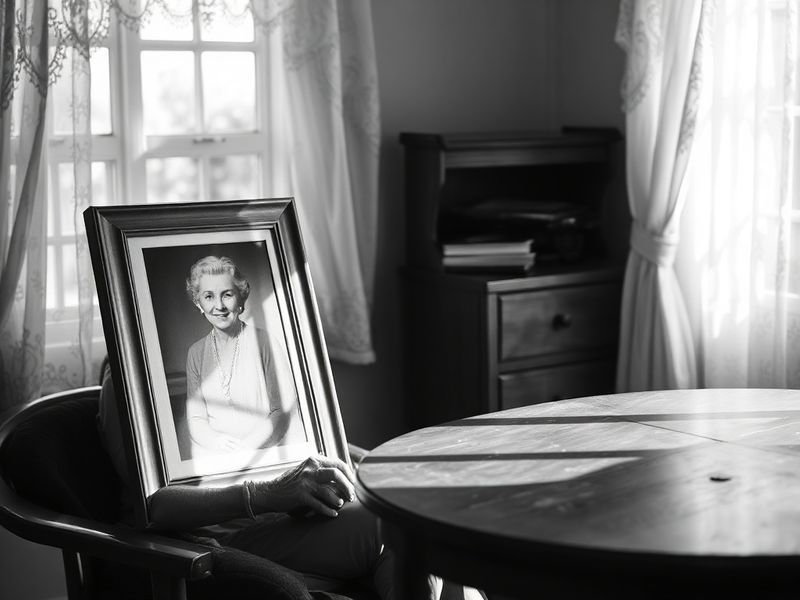
Widows Worldwide: The Hidden Crisis of Loss and Inequality
“`html
Understanding the Global Impact of Widowhood
Widowhood is a universal experience that transcends cultures, economies, and geographies. While often overlooked in discussions about gender and social change, the journey of a widow—whether in urban centers or rural villages—reveals deep-seated inequalities, resilience, and the quiet strength of communities. According to the United Nations, there are over 258 million widows worldwide, with nearly one in ten women over the age of 60 living without a spouse. These figures underscore a silent demographic reality that shapes economies, family structures, and social policies.
Across South Asia, Africa, and parts of the Middle East, widowhood carries complex cultural meanings. In some communities, widows face stigma, economic exclusion, or even violence. In India, for example, cultural traditions like the sati practice—though outlawed—have left a lingering stigma around widows, particularly in rural areas. Meanwhile, in many African societies, widows often endure property grabs and eviction from their homes, leaving them vulnerable to poverty. These challenges are compounded by legal systems that fail to protect their rights.
The Economic Burden of Losing a Partner
The financial consequences of widowhood can be devastating, especially for women who relied on their spouses for income or social standing. A 2022 World Bank report found that in low-income countries, widows are 30% more likely to fall into poverty than married women. This disparity stems from limited inheritance rights, discriminatory labor practices, and lack of access to financial resources.
In many societies, widows are stripped of property and assets upon their husband’s death, particularly if inheritance laws favor male heirs. In some regions, this practice is codified in customary law, leaving women with no legal recourse. For instance, in parts of Nigeria, widows are often accused of witchcraft to justify their exclusion from family assets. Such systemic barriers force many into informal labor or dependence on extended family—circumstances that perpetuate cycles of poverty.
Even in developed nations, economic vulnerability persists. In the United States, nearly 40% of widowed women experience a decline in living standards within six months of their spouse’s death. This is due in part to gaps in social security benefits and healthcare coverage. Without spousal benefits, many widows face housing insecurity and delayed retirement.
Cultural Stigma and Social Isolation
Beyond economic hardship, widows often confront deep-seated cultural stigma. In conservative societies, widows are sometimes seen as bad omens or burdens on their families. In some Orthodox Jewish communities, agunot—women whose husbands refuse to grant divorces—face lifelong marital limbo, unable to remarry or move forward emotionally or financially.
In parts of East Africa, widows are shunned during mourning periods and forced into isolation. Some are pressured to undergo rituals like forced marriages to a brother-in-law, a practice known as levirate marriage, which strips them of autonomy over their bodies and futures. These traditions, though rooted in historical customs, continue to marginalize women long after their husbands’ deaths.
Religious and traditional beliefs often reinforce these stigmas. In Hindu-majority regions, widows are expected to wear white saris and avoid celebrations, symbolizing their renunciation of worldly life. While some women embrace these roles as spiritual paths, others suffer silently, barred from remarriage or social participation. This duality reflects the tension between cultural preservation and individual freedom.
Progress and Policy: Small Steps Toward Change
Despite these challenges, global movements are slowly shifting perceptions and policies. Organizations like the Loomba Foundation and the United Nations Entity for Gender Equality have advocated for widows’ rights, pushing for legal reforms and economic empowerment programs. In 2010, the UN declared June 23 as International Widows’ Day, aiming to raise awareness about their struggles and advocate for policy changes.
Some countries have made progress. Rwanda, for instance, has one of the most progressive inheritance laws in Africa, granting widows equal rights to property. In India, the Supreme Court has ruled against discriminatory practices like the kulin pratha, which allowed polygamous marriages among Hindu men, indirectly protecting widows from abandonment.
- Legal reforms in inheritance and property ownership
- Access to microfinance and vocational training
- Mental health support and community reintegration programs
- Public awareness campaigns to reduce stigma
- Strengthening social security nets for widowed women
Yet, enforcement remains inconsistent. In many cases, laws exist on paper but are ignored in practice due to entrenched cultural norms. Civil society plays a crucial role in bridging this gap, offering grassroots support through education and advocacy. For example, NGOs in Uganda provide widows with legal literacy workshops, helping them navigate property disputes and claim their rights.
The Role of Technology in Empowering Widows
In the digital age, technology offers new avenues for empowerment. Mobile banking apps, for instance, allow widows in remote areas to access financial services without relying on male intermediaries. Platforms like Widows’ Voice, an online community, connect women globally, offering peer support and resources.
Digital literacy programs are also transforming lives. In Bangladesh, initiatives like the Digital Dividend project train widows in e-commerce and social media marketing, enabling them to generate income from home. These programs not only improve financial independence but also rebuild confidence and social networks.
However, digital inclusion remains uneven. In sub-Saharan Africa, only 24% of women use the internet, compared to 35% of men. This gender digital divide exacerbates existing inequalities, leaving many widows disconnected from vital resources. Bridging this gap requires targeted policies and infrastructure investment in underserved regions.
A Call for Collective Action
Widowhood is not just a personal tragedy; it is a social and economic issue that demands systemic solutions. Governments, NGOs, and communities must collaborate to dismantle discriminatory practices and create pathways to economic stability. This includes reforming inheritance laws, providing mental health support, and promoting financial literacy.
On an individual level, awareness is the first step. Recognizing the diversity of widows’ experiences—whether in urban slums, rural villages, or war-torn regions—helps challenge stereotypes and foster empathy. Simple acts, like hiring a widow-owned business or supporting local NGOs, can make a tangible difference.
As societies evolve, the narrative around widowhood must also change. It is not a woman’s fate to be defined by loss, but rather an opportunity to redefine resilience, agency, and dignity. By addressing the structural barriers that widows face, we move closer to a world where no woman is left behind in the shadows of grief.