Britain’s Got Talent: A Cultural Export Beyond Borders
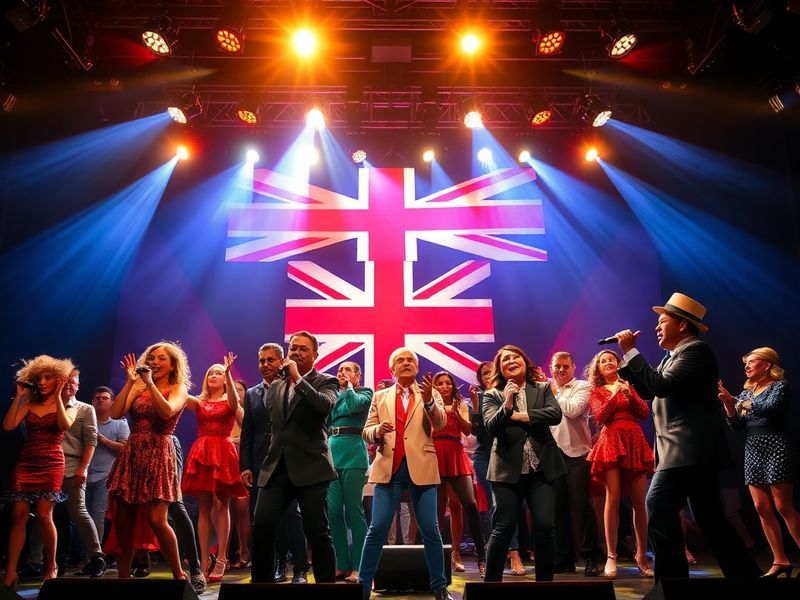
Britain’s Got Talent (BGT) stands as one of the most enduring and globally influential reality television franchises. Since its debut in 2007, the show has transcended its origins as a British talent competition to become a multi-national phenomenon, adapted in over 70 countries. Its ability to adapt while retaining its core appeal—discovering extraordinary performers of all ages and backgrounds—has cemented its place in the global entertainment landscape.
The format’s simplicity is its genius: ordinary people with extraordinary talents take the stage, often against professional odds, to deliver moments of awe, humor, or raw emotion. Whether it’s Susan Boyle’s 2009 audition, which became a viral sensation, or the 2023 rise of teenager pianist Zoe Birkett, BGT continues to redefine what it means to entertain on a mass scale. More than just a competition, it’s a cultural mirror reflecting both the diversity of human skill and the universal desire for recognition.
The Show’s Evolution: From Local to Global
Britain’s Got Talent began as a straightforward talent show, but over 17 seasons, it has evolved into a multimedia brand. The original series, developed by Simon Cowell’s Syco Entertainment, quickly became a ratings juggernaut for ITV, consistently drawing over 10 million viewers per episode in the UK. Its success spawned spin-offs like America’s Got Talent (launched in 2006) and Got Talent Global, creating a network of franchises under the Got Talent banner.
This global expansion was not without challenges. Cultural tastes vary widely, and what resonates in Britain may not land the same way in Japan or Brazil. Yet the franchise’s adaptability has been key. Local producers tailor the format to fit regional audiences, often emphasizing cultural aesthetics—such as incorporating traditional dance or regional music genres. For instance, the Chinese version, China’s Got Talent, frequently featured acrobatics and folk performances, blending global talent show conventions with local pride.
The show’s judging panel has also reflected this internationalization. Over the years, judges like Alesha Dixon, David Walliams, and Bruno Tonioli have brought diverse perspectives, while international guest judges—such as international pop star Kylie Minogue—have helped bridge cultural divides. This strategy not only broadened the show’s appeal but also gave audiences a glimpse into different cultural expressions of talent.
Cultural Impact: More Than Just a Talent Show
BGT’s influence extends beyond entertainment. It has become a platform for social commentary and community representation. Performers from marginalized backgrounds—such as deaf artists, refugees, or individuals with disabilities—have used the show to challenge stereotypes and gain visibility. One standout moment came in 2019 when K-Pop sensation K-pop band MOMOLAND appeared on the Korean version, Korea’s Got Talent, highlighting how the franchise serves as both a launchpad and a cultural bridge.
The show has also influenced global pop culture, inspiring countless viral moments and social media trends. Auditions like that of Collabro, a choir that went on to win in 2014, or Lost Voice Guy, a comedian who uses a voice synthesiser due to ALS, have sparked global conversations about perseverance and innovation. These stories travel effortlessly across platforms like TikTok and YouTube, where clips are shared, remixed, and celebrated by international audiences.
Moreover, BGT has played a role in shaping the careers of several global stars. Susan Boyle’s rise led to record deals and sold-out tours. Pianist Tokio Myers, who won in 2017, became a sought-after performer across Europe. Even acts that didn’t win—like BGT 2012 finalist Richard & Adam—secured record contracts and toured internationally. The show effectively functions as a global casting call, offering exposure that traditional industry pathways often miss.
The Business of Talent: How BGT Shapes the Entertainment Industry
From a commercial standpoint, Britain’s Got Talent is a masterclass in monetizing unscripted content. The franchise generates revenue through advertising, sponsorships, merchandise, and live tours. In 2023, the show’s live arena tour drew over 300,000 attendees across the UK, proving that the emotional connection formed during TV auditions translates into real-world experiences.
Its success has also influenced broader trends in the entertainment industry. The rise of streaming platforms like Netflix and Amazon Prime has led to a saturation of scripted content, making unscripted shows like BGT even more valuable. Audiences crave authenticity, and in a world of deepfakes and AI-generated content, real talent—performed live—feels increasingly precious.
The show’s enduring appeal lies in its unpredictability. Unlike scripted dramas or reality dating shows, BGT thrives on genuine surprise. Whether it’s a 70-year-old opera singer, a child prodigy, or a dog performing synchronized swimming, the format celebrates the unexpected. This ethos has inspired similar global formats, such as Rising Star and The World’s Best, proving that the hunger for raw, unfiltered talent is universal.
What’s Next for Britain’s Got Talent?
As the franchise approaches its 20th anniversary, questions about its future are inevitable. With reality TV facing criticism for exploitative practices and mental health concerns, producers are under pressure to evolve. Recent seasons have placed greater emphasis on mental health support for contestants and transparency in the judging process. The 2024 revival, for example, introduced a “Fan Favourite” award voted on by the public, giving audiences more agency in the outcome.
There’s also a growing interest in digital-first talent platforms. Shows like TikTok Talent Show and music competitions on YouTube suggest that the next generation of performers may bypass traditional TV entirely. Yet, Britain’s Got Talent remains a cultural institution—one that has shaped the careers of thousands and brought joy to millions. While its format may adapt, its core mission—to discover and celebrate extraordinary people—remains timeless.
As we look ahead, one thing is clear: Britain’s Got Talent is more than a TV show. It’s a global stage where dreams are born, barriers are broken, and the world comes together to celebrate the power of human potential. In an era of algorithm-driven content, its enduring success is a reminder that sometimes, the most powerful stories are the ones that unfold live—and in front of our eyes.
Why the World Still Needs Live Talent Shows
In an entertainment landscape dominated by on-demand streaming and AI-generated content, live talent shows like BGT offer something irreplaceable: shared, synchronous experiences. These moments—whether a gasp at a magic trick or a standing ovation for a singer—create a sense of communal joy that algorithms cannot replicate. They remind us that talent is not just a commodity; it’s a human connection.
Moreover, in an age of digital isolation, such shows provide a space for collective celebration. Families gather around screens. Friends share clips on social media. Strangers bond over a shared favorite act. This communal viewing experience is a rare antidote to the fragmentation of modern media consumption.
As Britain’s Got Talent continues to evolve, its legacy is secure—not just as a ratings hit, but as a cultural force that has redefined what it means to discover and celebrate talent on a global scale.
Key Takeaways
- Global Reach: The franchise has been adapted in over 70 countries, making it one of the most successful TV formats in history.
- Cultural Bridge: BGT has introduced international audiences to diverse forms of talent, from traditional dance to refugee storytelling.
- Career Launchpad: Many winners and finalists have gone on to successful careers in music, comedy, and performance.
- Business Model: The show’s revenue streams—from TV advertising to live tours—demonstrate the financial power of authentic, unscripted content.
- Future Challenges: As streaming grows, BGT must continue to innovate while maintaining its core appeal: genuine, surprising talent.
Where to Watch and Learn More
For fans looking to dive deeper into talent competitions and their global impact, check out:
- Entertainment News on Dave’s Locker for updates on upcoming talent shows.
- Music coverage for insights into how BGT winners transition into professional careers.