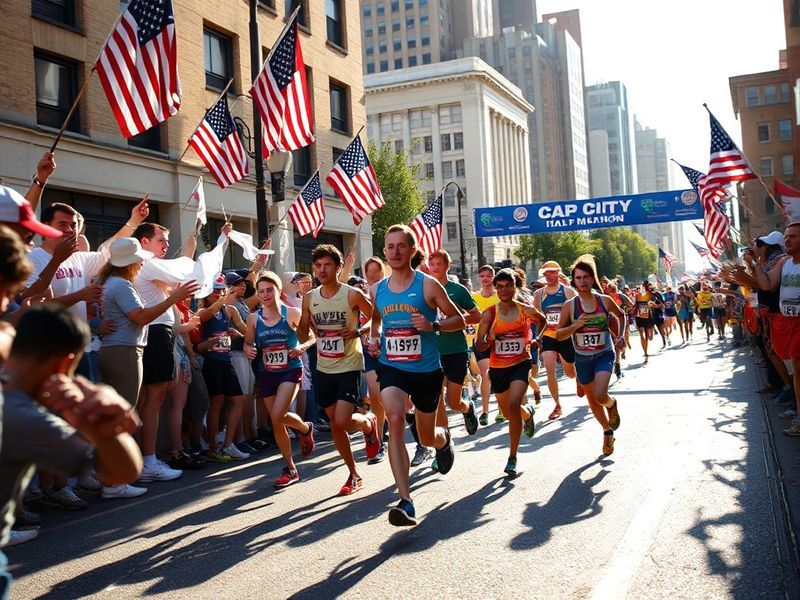
The Cap City Half Marathon has grown from a local event into one of the most respected half marathons in the United States. Held annually in Columbus, Ohio, this race draws over 10,000 participants from all 50 states and more than a dozen countries. What began in 1999 as a modest 5,000-runner event has evolved into a weekend-long celebration of running culture, community, and athletic achievement.
Columbus itself has transformed alongside the race. Once primarily known as a college town and state capital, Columbus has emerged as a hub for sports tourism, thanks in part to events like Cap City. The marathon’s route winds through the city’s most iconic neighborhoods, showcasing the diversity and vibrancy of Columbus—from the historic Short North district to the modern skyline of the Arena District. The race has become a point of pride for locals and a must-visit destination for runners seeking a well-organized, scenic, and competitively paced event.
The Evolution of a Midwestern Classic
When the Cap City Half Marathon began, it was one of only a handful of half marathons in the Midwest. Today, it stands as a testament to the growing popularity of long-distance running across the United States. The race’s founders envisioned an event that would bring the community together, and over the years, it has exceeded those expectations by fostering connections among runners, volunteers, and spectators.
One of the race’s defining features is its commitment to accessibility. Unlike some elite marathons that prioritize competitive athletes, Cap City offers multiple race options, including a 10K and a 5K, making it inclusive for runners of all levels. This approach has helped the event cultivate a loyal following among first-time marathoners and seasoned runners alike. The race’s timing in late May also ensures pleasant weather, avoiding the extreme heat or cold that can plague other marathons.
The event’s growth mirrors broader trends in American running culture. According to a 2022 report by the Running Industry Data Hub, participation in half marathons has surged by nearly 20% over the past decade. Cap City has capitalized on this trend by expanding its offerings, introducing virtual race options during the pandemic, and incorporating more interactive elements for participants.
A Route That Celebrates Columbus’ Diversity
The Cap City Half Marathon’s 13.1-mile route is a carefully curated tour of Columbus’ most dynamic neighborhoods. Runners start and finish in the Ohio Statehouse lawn, a symbol of the city’s political and cultural significance. From there, the course meanders through the Short North Arts District, where murals and galleries provide a burst of color and creativity. The route then heads into the Brewery District, a nod to Columbus’ thriving craft beer scene, before looping back through the Arena District, home to the city’s professional sports teams and major entertainment venues.
This route is more than just a path—it’s a reflection of Columbus’ identity. The city’s nickname, “The Crossroads of America,” is evident in the way the race brings together people from all walks of life. The Short North, for example, is known for its LGBTQ+ inclusivity, while the Arena District attracts a younger, more cosmopolitan crowd. The Cap City Half Marathon leverages these cultural touchpoints to create an experience that feels uniquely Columbus.
Internationally, cities like Berlin, London, and Tokyo have long used marathons as a way to showcase their culture and infrastructure. Columbus, though smaller in scale, has adopted a similar strategy. By highlighting its neighborhoods, the race invites runners to explore the city beyond the finish line—a concept that has become increasingly important in marathon tourism.
Global Participation and the International Runner’s Perspective
While the Cap City Half Marathon is deeply rooted in Columbus, its appeal extends far beyond Ohio’s borders. In recent years, the event has attracted runners from Canada, the United Kingdom, Japan, and even Australia. These international participants often cite the race’s organization, affordability, and the opportunity to experience Columbus as key factors in their decision to run.
For many international runners, the Cap City Half Marathon offers a contrast to the more crowded, high-pressure events in major cities like New York or Boston. The race’s emphasis on community and local culture makes it an attractive option for those seeking a more intimate marathon experience. One British runner who participated in 2023 described the event as “a breath of fresh air compared to the commercialized marathons back home.”
The race’s international draw has also had economic benefits for Columbus. According to a study by the Columbus Sports Commission, events like Cap City generate millions in tourism revenue annually. Hotels, restaurants, and local businesses see a significant boost during race weekend, as runners and their families explore the city before and after the event.
This global participation highlights a broader trend in marathon running. As major races become increasingly expensive and competitive, smaller, well-organized events like Cap City are gaining traction. They offer a more personal experience while still providing the structure and prestige of a larger marathon.
More Than a Race: Building Community Through Running
The Cap City Half Marathon is more than just a footrace—it’s a celebration of community. From the moment runners register, they become part of a larger network of athletes, volunteers, and supporters. The event’s organizers prioritize inclusivity, ensuring that runners of all abilities feel welcome. The race’s charity program, which has raised over $2 million for local causes, further cements its role as a force for good in Columbus.
For many participants, the race is a milestone in their running journey. Whether they’re tackling their first half marathon or chasing a personal best, the Cap City Half Marathon provides a supportive environment. The post-race festival, with live music, food trucks, and vendor booths, adds to the sense of camaraderie. It’s a chance for runners to share stories, celebrate their achievements, and connect with the Columbus community.
This emphasis on community is something that resonates globally. Marathons like the Berlin Marathon and the Chicago Marathon have built their reputations on creating inclusive, welcoming experiences for runners. Cap City follows in that tradition, proving that even a mid-sized marathon can have a significant impact.
Looking Ahead: The Future of Cap City
As the Cap City Half Marathon approaches its 25th anniversary, its organizers are focused on innovation and sustainability. Recent years have seen the introduction of a “green initiative” to reduce waste, as well as partnerships with local health organizations to promote fitness and wellness. The race is also exploring ways to further engage the international running community, such as offering virtual race options for those who cannot attend in person.
For a city like Columbus, events like Cap City are invaluable. They bring people together, boost the local economy, and put the city on the map as a destination for sports and tourism. As running continues to grow in popularity worldwide, the Cap City Half Marathon is poised to remain a leader in the half marathon circuit, offering a blend of competition, culture, and community.
Whether you’re a seasoned marathoner or a first-time runner, the Cap City Half Marathon offers an experience that transcends the race itself. It’s a chance to explore a city on the rise, connect with a global community of runners, and be part of a tradition that has shaped Columbus for over two decades.
For those considering signing up, the message is clear: Cap City isn’t just a race—it’s an event that celebrates the joy of running, the power of community, and the spirit of Columbus.