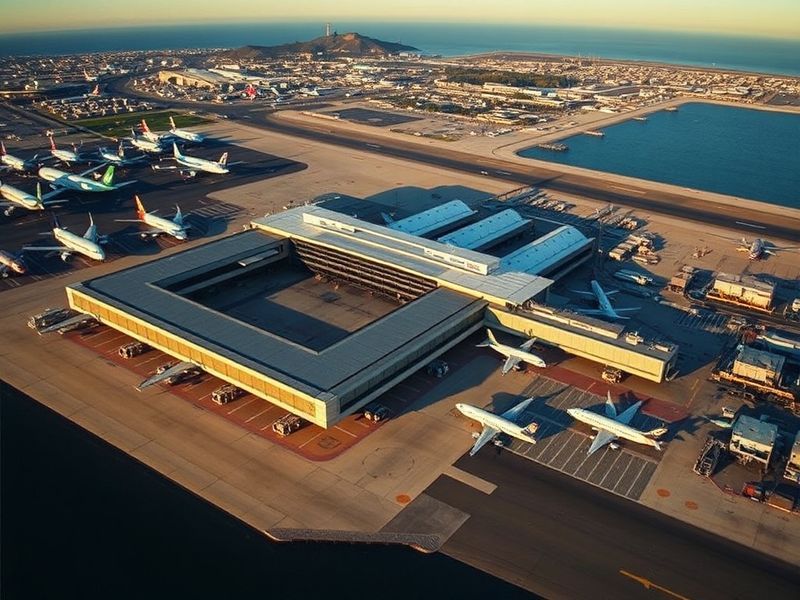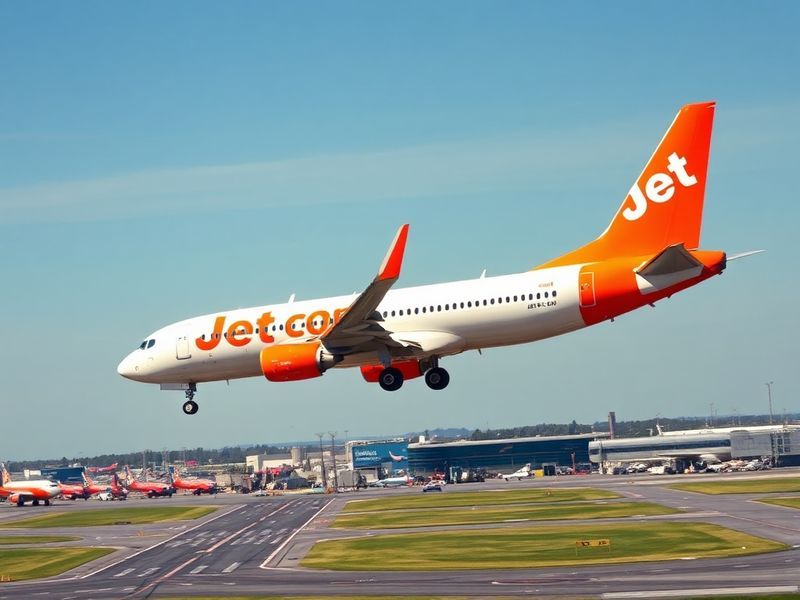
Jet2.com has grown from a budget airline into one of Europe’s most recognized travel brands. Founded in 2002, the company now operates a fleet of over 100 aircraft and flies to more than 70 destinations across 30 countries. What began as a simple flight service has evolved into a full holiday package provider, offering flights, hotels, and even car rentals under one brand.
With a reputation for reliable service and competitive pricing, Jet2.com has become a go-to choice for British travelers seeking sun, sea, and adventure. But how did it reach this point? And what sets it apart in a crowded travel market? Let’s explore the company’s journey, its business model, and why it continues to attract millions of customers each year.
From Budget Airline to Full-Service Travel Provider
Jet2.com started as a no-frills airline, competing directly with giants like Ryanair and easyJet. Unlike its rivals, however, Jet2.com took a different approach early on. Instead of focusing solely on flights, it began bundling airfare with hotel stays, creating a one-stop-shop for holidaymakers. This strategy paid off, especially during the post-2008 financial crisis when price sensitivity among travelers was high.
The company’s growth accelerated in the 2010s as it expanded its fleet and route network. Today, Jet2.com operates primarily from UK regional airports, including Manchester, Birmingham, and Leeds Bradford. This focus on secondary airports has helped it avoid some of the congestion and high fees associated with major hubs like Heathrow or Gatwick.
One key factor in Jet2.com’s success is its customer service. While budget airlines are often criticized for hidden fees and poor support, Jet2.com has cultivated a reputation for transparency. Its call centers are UK-based, and it offers flexible booking options, including the ability to modify or cancel reservations without excessive penalties.
Ownership and Corporate Structure
Jet2.com is owned by Dart Group PLC, a British travel and aviation company. Dart Group also operates Jet2holidays, the package holiday division that has become a major revenue driver. This dual-brand strategy allows Jet2.com to appeal to both independent travelers and those booking all-inclusive packages.
In recent years, the company has invested heavily in expanding its hotel portfolio. It now partners with thousands of accommodations worldwide, from budget-friendly apartments to luxury resorts. This vertical integration has given it greater control over pricing and availability, a significant advantage in the competitive travel industry.
Why Travelers Choose Jet2.com Over Competitors
Jet2.com’s appeal lies in its balance of affordability and convenience. While budget airlines like Ryanair may offer lower base fares, Jet2.com often includes perks such as free seat selection, generous baggage allowances, and better customer service. These factors make it a strong contender for families and groups traveling together.
The company’s focus on leisure travel also sets it apart. Unlike airlines that prioritize business routes, Jet2.com schedules flights to popular holiday destinations during peak seasons. This ensures that travelers can easily find last-minute deals or plan trips around school holidays.
Key Differentiators
- UK-based customer service: Unlike many budget airlines that outsource support, Jet2.com operates its call centers in the UK, making it easier to resolve issues.
- Flexible booking options: Passengers can adjust their travel dates or destinations with minimal fees, a rarity in the budget travel sector.
- Package holiday integration: Jet2holidays allows travelers to book flights, hotels, and transfers in one go, often at a lower total cost than booking separately.
- Regional airport focus: By operating from smaller UK airports, Jet2.com avoids the chaos of major hubs while offering convenient connections for travelers across the country.
Another standout feature is Jet2.com’s loyalty program, Jet2 Club. Members earn points on flights, hotels, and car rentals, which can be redeemed for discounts or free upgrades. This program has helped foster repeat business, particularly among frequent flyers.
The Impact of Jet2.com on the Travel Industry
Jet2.com’s rise has had a ripple effect across the European travel sector. Its success has forced competitors to rethink their strategies, particularly in the budget and package holiday markets. Airlines like easyJet and TUI have had to adapt by offering more flexible booking policies and improving customer service.
The company’s growth has also contributed to the expansion of regional airports. As Jet2.com adds new routes, airports like East Midlands and Newcastle have seen increased passenger traffic, boosting local economies. This symbiotic relationship benefits both the airline and the communities it serves.
Challenges and Controversies
Despite its success, Jet2.com has faced challenges. Like all airlines, it has grappled with rising fuel costs, supply chain disruptions, and labor shortages. In 2022, the company canceled hundreds of flights due to staffing issues, a problem that affected many airlines post-pandemic.
There have also been criticisms over its baggage policies. While Jet2.com includes a free checked bag on most fares, additional fees for sports equipment or oversized luggage have drawn complaints. The company has defended these policies as necessary to keep fares low, but they remain a point of contention for some travelers.
Looking Ahead: Jet2.com’s Future Plans
Jet2.com shows no signs of slowing down. The company has announced plans to expand its fleet further, with new aircraft deliveries scheduled through 2026. It’s also eyeing new destinations, particularly in Eastern Europe and North Africa, where demand for affordable holidays is growing.
Another area of focus is sustainability. Like many airlines, Jet2.com is under pressure to reduce its carbon footprint. It has committed to achieving net-zero emissions by 2050, though critics argue that its reliance on short-haul flights makes this goal difficult to achieve without significant changes to its business model.
The company is also investing in digital innovation. Its mobile app has become a key tool for bookings, check-ins, and customer support, reflecting broader trends in the travel industry. By embracing technology, Jet2.com aims to streamline the travel experience and stay ahead of competitors.
What’s Next for Jet2.com?
In the coming years, Jet2.com is likely to face increased competition from both traditional airlines and new entrants in the travel market. However, its strong brand recognition, loyal customer base, and integrated business model position it well for continued growth.
For travelers, this means more choices, better pricing, and potentially new destinations to explore. Whether you’re planning a last-minute getaway or a long-planned vacation, Jet2.com remains a compelling option in Europe’s crowded travel landscape.
For more insights into budget travel or holiday planning, check out our guides on Travel and Finance at Dave’s Locker.
Conclusion
Jet2.com has carved out a unique space in Europe’s travel industry by combining the affordability of a budget airline with the convenience of a full-service holiday provider. Its focus on customer service, flexible booking options, and strategic partnerships has earned it a loyal following among British travelers.
As the company continues to expand, it will need to navigate challenges like rising costs and sustainability pressures. But with a strong foundation and a clear vision for the future, Jet2.com is well-positioned to remain a leader in the travel sector for years to come.
For anyone considering a holiday in Europe, Jet2.com offers a compelling blend of value and reliability. Whether you’re flying solo, with family, or in a group, it’s a brand worth exploring.