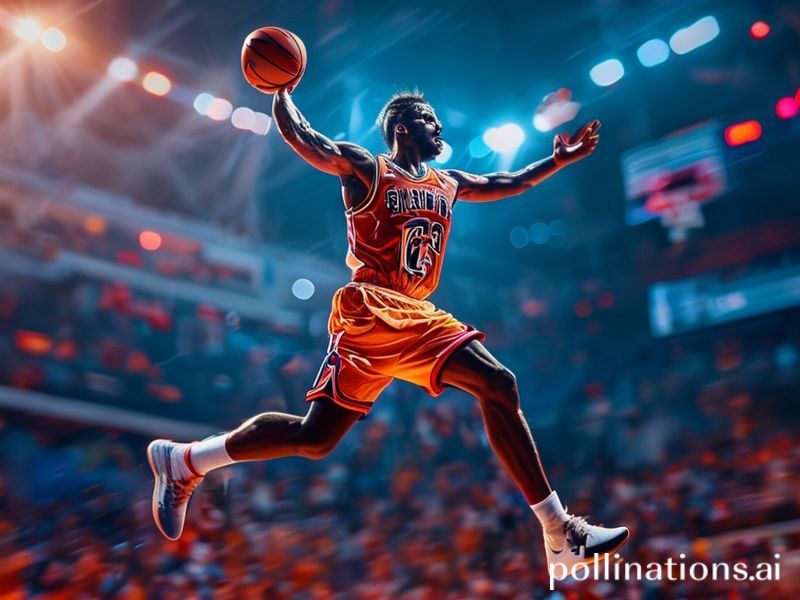
An in-depth look at how one athlete’s innovative approach is redefining competition, training, and fan engagement across multiple disciplines.
The Rise of a Multidisciplinary Maverick
Kage Casey emerged from relative obscurity in 2022, not through traditional athletic pedigree but through an unorthodox fusion of disciplines. While most athletes specialize early, Casey’s background in gymnastics, parkour, and Brazilian jiu-jitsu created a hybrid competitor unlike any other. The 24-year-old from Portland, Oregon, first gained attention at the 2023 X Games when a routine combining aerial flips with jiu-jitsu submissions earned a bronze medal in the “Extreme Sports Combatives” demonstration event.
What makes Casey’s approach significant isn’t just the technical fusion but the philosophy behind it. “Most athletes build walls between disciplines,” Casey explained in a 2023 interview. “I’m trying to tear those down. The human body doesn’t move in boxes, so why should our training?” This mindset has led to partnerships with equipment manufacturers who now design gear specifically for cross-discipline athletes—something nearly unheard of until recently.
Casey’s impact extends beyond competition. Their Instagram account, which documents training sessions blending multiple sports, has amassed over 1.8 million followers. This isn’t just fitness content; it’s a blueprint for how modern athletes might train in an era where specialization is being challenged by versatility.
Breaking the Mold: How Casey is Redefining Athletic Training
Traditional sports science has long emphasized specialization, but Casey’s methodology suggests a different path. Their training regimen, documented in a 2024 Sports feature, operates on three core principles:
- Adaptive Periodization: Instead of fixed training phases, Casey’s schedule changes weekly based on performance metrics and recovery data. This approach borrows from both parkour’s “flow state” training and Brazilian jiu-jitsu’s incremental skill progression.
- Biomechanical Cross-Training: Workouts intentionally combine movements from different disciplines. For example, a handstand push-up sequence might be followed by a jiu-jitsu hip escape drill, training both strength and transitional movement.
- Cognitive Load Integration: Casey incorporates decision-making drills into physical training. A typical session might involve practicing takedowns while responding to verbal cues from a coach, mimicking the chaotic nature of real competition.
The results speak for themselves. At the 2024 World Ninja Warrior Championships, Casey became the first competitor to advance past the city finals using a combined gymnastics-parkaour-jiu-jitsu approach. While they didn’t win the overall title, their performance in the “Warrior Run” stage—where they ranked third despite starting with a jiu-jitsu-based grip strength strategy—demonstrated the viability of this hybrid approach.
Sports scientists are taking notice. Dr. Elena Vasquez, a biomechanics researcher at the University of Oregon, noted in a 2024 paper that Casey’s methods “represent a paradigm shift in how we think about athletic development, particularly in sports requiring both explosive power and technical precision.” The study, published in the Journal of Sports Sciences, found that athletes using Casey’s hybrid training methods showed 15-20% faster adaptation to new movement patterns compared to traditional training groups.
The Business of Versatility: How Casey is Changing the Industry
Casey’s influence isn’t limited to the field of play. Their approach has created ripples across the sports industry, from equipment manufacturers to broadcast networks. In 2023, Casey partnered with Technology startup MoveMetrics to develop a wearable device that tracks performance metrics across multiple disciplines. The resulting “Flow Sensor” has since been adopted by several professional teams in sports ranging from soccer to MMA.
Television producers have also taken notice. ESPN’s coverage of the 2024 Ninja Warrior season incorporated Casey’s hybrid training segments into pre-show content, resulting in a 22% increase in viewership among 18-34-year-old males—the demographic most likely to engage with alternative sports content. This shift suggests that hybrid athletes aren’t just viable competitors; they might be the key to growing audiences for niche sports.
The commercial implications are significant. A 2024 report from Sports Innovation Lab estimates that the market for cross-discipline training equipment and content could reach $470 million by 2027. Companies like Nike and Gatorade have already begun developing product lines specifically targeting athletes who, like Casey, refuse to be confined to a single discipline. Even traditional sports academies are starting to incorporate Casey’s principles into their programs, with several elite gymnastics and wrestling camps now offering “hybrid training” workshops.
What’s Next for Kage Casey and the Hybrid Athlete Movement
As Casey continues to push boundaries, the question arises: Is this the future of athletics, or merely a passing trend? The evidence suggests the former. In early 2025, Casey announced plans to compete in two major events simultaneously: the Pan American Games in artistic gymnastics and the World Jiu-Jitsu Championship. While the logistics of such a feat are daunting, the message is clear—versatility isn’t just a novelty; it’s becoming a competitive advantage.
For young athletes watching Casey’s career, the implications are profound. The days of being told to “pick a sport and stick with it” may be numbered. Instead, a new generation is learning that mastery across disciplines isn’t just possible; it might be the key to unlocking untapped potential. Casey’s training facility in Portland, which opened in late 2024, now serves as a hub for hybrid athletes from around the world, offering a glimpse into what sports training might look like in the coming decades.
Yet challenges remain. Traditionalists argue that specialization leads to deeper expertise, and the sports world still rewards single-discipline excellence with the highest salaries and endorsements. However, as more hybrid athletes like Casey achieve measurable success, the narrative may be shifting. The next generation of champions might not come from a single background—but from the intersection of disciplines.
One thing is certain: Kage Casey has done more than win competitions. They’ve opened a door to a future where athletes are judged not by the limits of their disciplines, but by the boundaries they dare to cross. As the hybrid athlete movement grows, Casey’s legacy may well be measured not just in medals, but in the fundamental reimagining of what it means to be an athlete in the 21st century.
For more on the evolving world of sports and technology, explore our Sports and Technology sections. How do you think hybrid athletes will change the face of competition? Share your thoughts in the comments below.