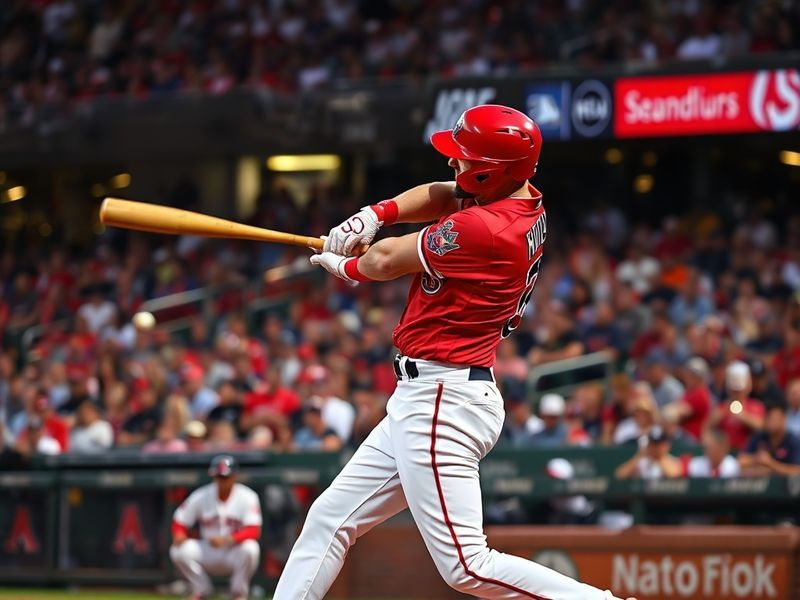
The Washington Nationals and the Chicago White Sox represent two historic franchises in Major League Baseball, each with a legacy stretching back over a century. While their rivalry may not carry the weight of interleague classics like Yankees-Red Sox, their matchups offer a fascinating contrast of baseball cultures, regional identities, and global influence. This isn’t just a clash of teams; it’s a collision of baseball philosophies, fan experiences, and even cultural narratives that resonate far beyond U.S. borders.
The Nationals, born as the Montreal Expos before relocating in 2005, have spent years rebuilding their identity in the nation’s capital. Meanwhile, the White Sox, one of the American League’s original eight teams, have carved out a reputation as the underdogs of Chicago’s sports scene. When these two teams face off, the story isn’t just about wins and losses—it’s about what baseball means in different corners of the world.
The Nationals: A Franchise Reborn in the Nation’s Capital
The Washington Nationals’ journey is one of reinvention. Originally established as the Montreal Expos in 1969, the team struggled with financial instability and low attendance before relocating to D.C. in 2005. The move brought Major League Baseball back to the capital for the first time since the Senators departed in 1971. For a city that had long been starved for a competitive team, the Nationals represented hope—and a chance to redefine baseball’s role in American politics and culture.
The Nationals’ rise to prominence culminated in their first World Series title in 2019, a victory that electrified the city and drew parallels to other underdog stories in global sports. Their fanbase, though smaller than some of baseball’s historic powerhouses, is fiercely loyal, reflecting the team’s identity as an under-the-radar contender with a scrappy, resilient ethos. In many ways, the Nationals embody the modern baseball experience: a blend of analytics-driven strategy, international talent, and a connection to a city that had been overlooked for decades.
Global Influence and International Flavor
The Nationals have embraced a global approach to talent acquisition. Players from Venezuela, the Dominican Republic, and even Australia have donned the team’s uniform, reflecting baseball’s shift toward international markets. This global recruitment strategy isn’t just about finding talent; it’s about building a brand that resonates with fans worldwide. In cities like Tokyo, London, and San Juan, baseball’s reach extends far beyond U.S. soil, and the Nationals have positioned themselves as a team with international appeal.
The White Sox: Chicago’s Underdog Legacy
The Chicago White Sox, often overshadowed by their crosstown rivals, the Cubs, have carved out a unique identity as the gritty, blue-collar alternative in one of America’s most vibrant sports cities. Founded in 1901, the White Sox were one of the American League’s charter franchises, and their early success included World Series titles in 1906 and 1917. Yet, despite their rich history, the team has often been defined by its struggles—both on the field and in the public eye.
The White Sox’s legacy is also tied to one of baseball’s darkest moments: the 1919 Black Sox scandal, in which eight players were accused of throwing the World Series. The scandal tarnished the team’s reputation for years, but it also became a cautionary tale about integrity in sports. Today, the White Sox represent a team in transition, blending veteran leadership with a new generation of talent. Their recent resurgence under manager Tony La Russa has reignited interest in a franchise that has long been defined by perseverance.
A Fanbase Rooted in Loyalty
The White Sox’s fanbase, known as the “South Side faithful,” is one of baseball’s most passionate. Despite playing in the shadow of Wrigley Field and the Cubs’ ivy-covered walls, Comiskey Park (now Guaranteed Rate Field) has always been a place where baseball feels raw and unfiltered. The team’s identity is tied to Chicago’s working-class neighborhoods, where baseball is more than a game—it’s a tradition passed down through generations. This connection to the city’s cultural fabric makes the White Sox a team with deep local roots and, increasingly, a global following among fans who appreciate their underdog spirit.
When the Nationals Meet the White Sox: A Clash of Cultures
When the Washington Nationals and Chicago White Sox face off, the matchup transcends a simple interleague series. It’s a collision of baseball philosophies, fan experiences, and cultural narratives. The Nationals, with their emphasis on analytics and international talent, represent the modern, data-driven approach to the game. The White Sox, with their blue-collar ethos and emphasis on grit and fundamentals, embody the traditional values of baseball.
This contrast is reflected in how each team approaches the game. The Nationals often rely on power pitching and home runs, a strategy that mirrors the global trend toward offensive baseball. The White Sox, on the other hand, prioritize pitching depth, defensive versatility, and small-ball tactics—a throwback to an era when baseball was as much about strategy as it was about power. When these two styles collide, the result is a dynamic that feels both nostalgic and fresh.
Key Matchups to Watch
In a Nationals vs. White Sox series, several key matchups often define the outcome:
- Starting Pitchers: The Nationals’ rotation, led by Max Scherzer and Stephen Strasburg, brings elite power arms to the mound. The White Sox counter with Lucas Giolito and Lance Lynn, pitchers who rely on precision and movement rather than sheer velocity. These duels between power and finesse can swing the momentum of a game.
- Catcher’s Role: Both teams emphasize strong defensive catchers. The Nationals’ Yan Gomes and the White Sox’s Yasmani Grandal are known for their game-calling and ability to control the running game. In tight matchups, their leadership behind the plate can be decisive.
- Middle Infield Defense: The Nationals’ Trea Turner and the White Sox’s Tim Anderson are two of baseball’s most dynamic shortstops. Their range, arm strength, and offensive contributions make them pivotal in key moments.
- Bullpen Depth: Both teams have invested heavily in their bullpens. The Nationals’ Sean Doolittle and the White Sox’s Liam Hendriks are closers with ice in their veins, capable of shutting down rallies in late innings.
Baseball’s Global Reach: Why This Rivalry Matters Beyond the U.S.
Baseball’s influence extends far beyond American shores, and the Nationals vs. White Sox rivalry is a microcosm of this global phenomenon. In Japan, where baseball is a national obsession, the Nationals’ international flair resonates with fans who appreciate the team’s diverse roster. In the Dominican Republic, a hotbed of baseball talent, the White Sox’s emphasis on developing young players aligns with the country’s deep connection to the sport.
Even in Europe, where baseball is still growing, the Nationals and White Sox represent two distinct pathways for the sport’s future. The Nationals’ reliance on analytics reflects the global shift toward data-driven decision-making, while the White Sox’s traditional approach appeals to fans who value the intangibles of the game. This duality is a reminder that baseball, like all global sports, is constantly evolving—and that its future lies in balancing innovation with tradition.
For international fans, these matchups offer a chance to see how baseball adapts to different cultures. The Nationals’ games in London or the White Sox’s exhibitions in Mexico City highlight baseball’s push to expand its reach. In a world where sports are increasingly interconnected, the Nationals vs. White Sox rivalry is more than a contest between two teams—it’s a celebration of baseball’s diversity and adaptability.
The Fan Experience: From D.C. to Chicago and Beyond
The fan experience is a defining feature of this rivalry. In Washington, D.C., baseball games are often intertwined with the city’s political and cultural scene. The Nationals’ ballpark, located near the National Mall, offers a unique backdrop where fans can enjoy America’s pastime with a view of monuments and museums. The atmosphere is polished yet passionate, reflecting the city’s cosmopolitan vibe.
In Chicago, the White Sox’s home games at Guaranteed Rate Field provide a starkly different experience. The ballpark, located in the heart of the city’s South Side, feels like a neighborhood gathering place. Fans arrive in jeans and jerseys, ready to cheer on their team with unfiltered enthusiasm. The contrast between D.C.’s polished professionalism and Chicago’s blue-collar grit is a microcosm of what makes this rivalry so compelling.
For global fans watching from abroad, these differences are part of baseball’s charm. Whether it’s the Nationals’ emphasis on analytics or the White Sox’s old-school grit, each team offers a unique lens through which to view the game. This diversity is what makes baseball a truly global sport—and why matchups like Nationals vs. White Sox resonate with fans around the world.
Conclusion: More Than Just a Game
The Washington Nationals vs. Chicago White Sox rivalry is more than a series of interleague matchups. It’s a reflection of baseball’s global reach, its cultural significance, and its ability to adapt to changing times. The Nationals represent the modern, data-driven future of the sport, while the White Sox embody its traditional roots. When these two teams meet, the result is a dynamic clash of styles, philosophies, and fan experiences.
For fans in the U.S., this rivalry offers a chance to see two distinct approaches to baseball. For international fans, it’s a reminder of the sport’s diversity and its power to connect people across cultures. Whether you’re drawn to the Nationals’ power pitching or the White Sox’s blue-collar grit, one thing is clear: this isn’t just a game. It’s a celebration of baseball’s past, present, and future.
As the season progresses, keep an eye on these matchups. They’re more than just wins and losses—they’re a window into the soul of baseball.
For more sports coverage, visit our Sports category.