<!DOCTYPE html>
<html lang="en">
<head>
    <meta charset="UTF-8">
    <meta name="viewport" content="width=device-width, initial-scale=1.0">
    <title>Rochdale: A Town of Contrasts and Cultural Resilience</title>
</head>
<body>
    <article>
        <h1>Rochdale: A Town of Contrasts and Cultural Resilience</h1>

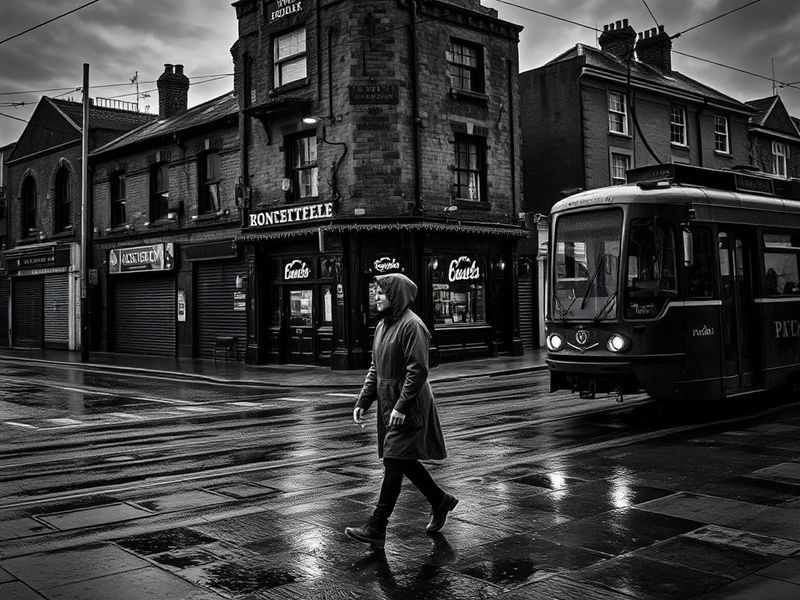
        <p>Nestled in the heart of Greater Manchester, Rochdale is a town that often flies under the radar despite its rich history and vibrant community spirit. Known primarily as the birthplace of the modern cooperative movement, Rochdale’s legacy stretches far beyond its industrial past. Today, the town balances its historical significance with contemporary challenges and cultural renewal, making it a compelling study in contrasts.</p>

        <p>The town’s skyline is dominated by the striking spire of Rochdale Town Hall, a Gothic Revival masterpiece completed in 1871. This architectural gem serves as a reminder of the town’s prosperous Victorian era, when it was a key player in the cotton trade. Yet, like many post-industrial towns, Rochdale has faced economic decline and social upheaval in recent decades. The closure of mills and factories reshaped the local economy, but it also paved the way for new industries and community-driven initiatives.</p>

        <h2>The Cooperative Movement: Rochdale’s Lasting Legacy</h2>

        <p>Rochdale’s most enduring contribution to the world is undeniably its role in the cooperative movement. In 1844, a group of 28 weavers and other workers founded the Rochdale Society of Equitable Pioneers, establishing a set of principles that would revolutionize global trade and consumerism. These principles—voluntary membership, democratic control, and equitable distribution of profits—became the foundation for modern cooperatives worldwide.</p>

        <p>The movement’s origins are humble. The Pioneers opened a small shop on Toad Lane, selling basic goods like butter, sugar, and flour at fair prices. Their success demonstrated that ethical business practices could thrive, even in an era dominated by ruthless industrial capitalism. Today, the Rochdale Pioneers Museum preserves this history, offering visitors a glimpse into the past while celebrating the cooperative values that endure.</p>

        <p>Beyond its historical significance, the cooperative model continues to shape Rochdale’s economy. The town is home to several co-operatively run businesses, including the Rochdale Building Society, which remains a cornerstone of local finance. These institutions are not just relics of the past; they are active participants in Rochdale’s ongoing economic revival.</p>

        <h2>Economic Challenges and Renewal Efforts</h2>

        <p>Rochdale’s economic landscape has undergone dramatic changes over the past century. The decline of the textile industry in the mid-20th century left deep scars, with unemployment and deprivation rising sharply. By the 1980s, the town was grappling with the same deindustrialization that affected many Northern towns. However, Rochdale’s story is not one of unrelenting decline but of resilience and adaptation.</p>

        <p>In recent years, the town has seen a gradual economic recovery, driven by investments in infrastructure and new industries. The opening of the Middleton Park development, for example, has brought retail and leisure facilities to the area, creating jobs and attracting visitors. Meanwhile, the town’s proximity to Manchester has made it an attractive option for commuters seeking more affordable housing.</p>

        <p>Yet, challenges remain. Like many post-industrial towns, Rochdale faces issues such as poverty, poor health outcomes, and educational attainment gaps. Initiatives like the Rochdale Boroughwide Housing’s community projects aim to address these issues by providing affordable housing and support services. The town’s local council has also prioritized regeneration, with projects like the <a href="https://www.daveslocker.net/category/regeneration">Regeneration</a> schemes designed to revitalize the town centre and attract new businesses.</p>

        <h3>Key Economic Initiatives in Rochdale</h3>
        <ul>
            <li><strong>Middleton Park Development:</strong> A mixed-use development featuring retail, leisure, and office spaces, designed to boost local employment.</li>
            <li><strong>Rochdale Town Centre Regeneration:</strong> A £250 million project aimed at modernizing the town centre, including new public spaces and improved transport links.</li>
            <li><strong>Advanced Manufacturing Hub:</strong> A partnership with local colleges and businesses to train workers in high-tech industries like engineering and digital manufacturing.</li>
            <li><strong>Cooperative Business Growth:</strong> Support for co-operatively run enterprises, including funding and mentorship programs for startups.</li>
        </ul>

        <h2>Cultural Diversity and Community Spirit</h2>

        <p>Rochdale’s cultural fabric is as diverse as its history. The town has long been a magnet for immigration, with significant South Asian, Eastern European, and Eastern European communities shaping its identity. This diversity is reflected in the town’s culinary scene, festivals, and places of worship. Rochdale’s annual <a href="https://www.daveslocker.net/category/culture">Cultural Festival</a>, for instance, celebrates the town’s multicultural heritage with music, dance, and food from around the world.</p>

        <p>The town is also home to a thriving arts scene. The Touchstones Rochdale museum and art gallery hosts exhibitions ranging from local history to contemporary art, while the Royal Exchange Theatre’s touring productions bring professional theatre to the community. Rochdale’s music scene is equally vibrant, with venues like The Watershed and The Cutting Room hosting live performances from emerging and established artists.</p>

        <p>Despite its challenges, Rochdale’s community spirit remains one of its greatest strengths. Local groups and volunteers play a crucial role in supporting vulnerable residents, organizing events, and preserving the town’s heritage. Initiatives like the Rochdale Pride festival and the town’s food banks are testaments to the resilience and generosity of its people.</p>

        <h2>Education and Future Prospects</h2>

        <p>Education has long been a focus for Rochdale, with institutions like the University of Bolton’s campus in the town providing higher education opportunities. Local schools and colleges are increasingly emphasizing vocational training, aligning with the needs of Rochdale’s evolving economy. However, educational attainment remains an area for improvement, with efforts underway to close the gap between Rochdale and the national average.</p>

        <p>The town’s future hinges on its ability to leverage its strengths while addressing its challenges. Investments in infrastructure, education, and community projects are critical steps, but Rochdale’s greatest asset may well be its people. The town’s cooperative ethos, cultural diversity, and determination to thrive suggest a bright future ahead.</p>

        <p>As Rochdale continues to evolve, it serves as a reminder that towns are not defined solely by their past. They are shaped by the people who live in them, the challenges they overcome, and the dreams they pursue. Rochdale’s story is far from over—it is a work in progress, and one worth watching.</p>
    </article>

    <!-- Metadata Section -->