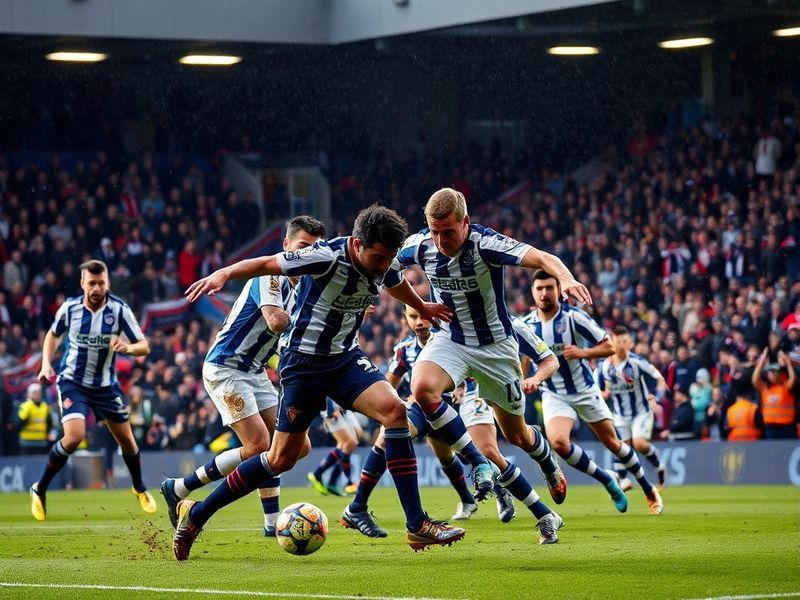
The clash between Rochdale Association Football Club and York City Football Club transcends mere local football rivalries. It represents a cultural and sporting connection that has woven through the fabric of English football for generations. While neither club has consistently competed at the highest levels, their encounters have produced moments of drama, nostalgia, and a shared history that reflects the broader evolution of the sport.
York City, founded in 1922, and Rochdale, established in 1907, have faced each other over 100 times in competitive fixtures. Their rivalry sits within the broader context of non-league football, a space where tradition, community, and footballing identity often matter more than silverware. These encounters have become cultural touchstones for fans on both sides, offering a glimpse into the shifting dynamics of English football outside the Premier League spotlight.
The Rise of Two Clubs in a Changing Football Landscape
Both clubs emerged during a period when working-class communities found identity and purpose through football. Rochdale, based in Greater Manchester, became a symbol of resilience in the industrial North West. York City, meanwhile, represented the historic city of York, blending medieval heritage with modern sporting ambition. Their early decades were marked by modest success in lower divisions, but their true significance lay in their role as community institutions.
By the mid-20th century, both clubs were fixtures in the Third Division North, a league that showcased the competitive spirit of regional football. Their meetings were often fiercely contested, not just on the pitch but in the stands, where local pride took center stage. These matches were more than sporting events—they were social gatherings, opportunities for working-class families to escape the routine of factory life or post-war austerity.
Football as Cultural Expression
In an era before the Premier League’s global dominance, clubs like Rochdale and York City played a vital role in maintaining regional identity. Football was a form of cultural expression, a way to assert local pride in a rapidly changing Britain. The rivalry between the two clubs, though not as intense as some, carried symbolic weight. It reflected the broader tensions between urban industrial communities and historic cathedral cities—a dynamic that played out across England.
York City’s home ground, Bootham Crescent, became a cultural landmark, a place where football and history intersected. The stadium, with its traditional terraces and intimate atmosphere, embodied the charm of non-league football. Rochdale’s Spotland Stadium, similarly, was a community hub, its modest facilities compensated by passionate support. These venues were not just places to watch football; they were spaces where local identity was performed and preserved.
Key Moments in the Rivalry
The Rochdale vs York City rivalry has produced several memorable matches, each contributing to the narrative that defines their history. One of the most iconic encounters took place in the 1980-81 FA Cup, when York City defeated Rochdale 3-2 in a dramatic third-round replay. The victory was celebrated in York as a David vs Goliath moment, with the Minstermen advancing to face First Division opposition.
Another defining moment came in the 2002-03 season, when both clubs found themselves in League Two. A 2-0 win for Rochdale in front of a sparse crowd at Spotland highlighted the challenges of sustaining fan interest in an era of rising ticket prices and commercialization. Yet, for those in attendance, the match was a reminder of football’s enduring grassroots appeal.
The rivalry has also seen its share of tactical battles. Managers on both sides have often employed direct, physical styles reflective of the era, with long-ball football dominating proceedings. While this approach has drawn criticism, it has also been a testament to the no-frills nature of non-league football, where pragmatism often trumps aesthetics.
Notable Matches Over the Decades
- 1980-81 FA Cup: York City 3-2 Rochdale (Replay) – A classic cup upset that saw York advance to face First Division opposition.
- 2002-03 League Two: Rochdale 2-0 York City – A rare highlight for Rochdale in a season of struggle.
- 2011-12 Conference Premier: York City 1-0 Rochdale – A tightly contested match that ended in a narrow home win.
- 2017-18 National League: Rochdale 0-1 York City – A late winner for York in a match that kept relegation fears alive for Rochdale.
The Global Context of Non-League Football
While Rochdale and York City may not command global attention, their rivalry exists within a broader ecosystem of non-league football that has gained international recognition in recent years. Clubs like AFC Fylde, Chesterfield, and Leyton Orient have cultivated global fanbases, proving that community clubs can thrive beyond the traditional pyramid structure. This shift reflects a broader trend in global football, where authenticity and local connection are increasingly valued over corporate branding.
The rise of streaming platforms and social media has also allowed non-league clubs to reach global audiences. Fans in Australia, the United States, and Asia now follow Rochdale and York City, drawn not by star players but by the raw, unfiltered nature of the football on offer. This global audience has redefined what it means to be a football fan, emphasizing passion over prestige.
Moreover, the rivalry between Rochdale and York City mirrors similar dynamics in other countries, where historic clubs from smaller cities challenge the dominance of metropolitan giants. In Germany, clubs like FC St. Pauli and FC Union Berlin have built global reputations based on their countercultural identities. In the United States, clubs like FC Cincinnati and Detroit City FC have cultivated similar followings. These examples underscore how football can serve as a vehicle for community expression on a global scale.
The Future of the Rivalry
As both clubs navigate the challenges of modern football—rising costs, changing fan expectations, and the pressure to professionalize—the Rochdale vs York City rivalry faces an uncertain future. York City’s move to the York Community Stadium in 2021 marked a new chapter, offering improved facilities but also raising questions about the club’s identity. Rochdale, meanwhile, has struggled with financial instability, leading to fan protests and calls for reform.
Yet, the essence of the rivalry remains intact. These clubs are more than just sporting entities; they are cultural institutions that reflect the communities they represent. Their encounters, whether in league fixtures or cup competitions, continue to offer a glimpse into the soul of non-league football—a world where passion, tradition, and resilience matter more than trophies.
Why This Rivalry Still Matters
The Rochdale vs York City rivalry is a reminder of football’s power to unite and divide, to inspire and frustrate, all within the space of 90 minutes. It is a story of working-class communities finding pride in their local clubs, of historic cities preserving their identity through sport, and of a football culture that values authenticity over glamour.
For fans, these matches are more than just points on a table. They are rituals, traditions, and shared memories that transcend generations. They are a testament to the enduring appeal of football as a cultural force, one that continues to evolve even as the sport itself changes.
As Rochdale and York City continue their journeys, their rivalry will remain a vital thread in the tapestry of English football. It is a story worth telling, a legacy worth preserving, and a reminder that great football is not always found in the bright lights of the Premier League, but in the heart of local communities.