The FA Cup Final: History, Legacy, and Unpredictable Drama
“`html
The FA Cup Final: A Timeless Tradition in English Football
The FA Cup Final stands as one of the most storied and cherished fixtures in English football. Dating back to 1871, it predates every other national knockout competition in the world. Unlike league titles that are decided over months, the FA Cup Final delivers a single-elimination drama that can elevate a club from obscurity to immortality in 90 minutes. This year’s final, like those before it, promises to be more than just a match—it’s a celebration of history, passion, and the unpredictable magic of cup football.
The Historical Significance of the FA Cup
The FA Cup is not merely a competition; it is a living museum of football’s past. The first final, played at the Kennington Oval in 1872, saw Wanderers FC defeat Royal Engineers 1-0. Over the decades, the competition has witnessed countless underdog stories, legendary performances, and iconic moments that have shaped the identity of English football. Clubs from all tiers of the football pyramid compete, creating a unique egalitarian spirit that is unmatched elsewhere.
Unlike the Premier League or European competitions, the FA Cup allows lower-league teams to dream of glory. Non-league clubs such as Wimbledon in 1988 and Wigan Athletic in 2013 have lifted the trophy, proving that determination and heart can outweigh financial disparity. This democratic nature is what gives the FA Cup its soul. It is football as it was meant to be: raw, unpredictable, and steeped in tradition.
Key Milestones in FA Cup History
- 1871-72: First final between Wanderers FC and Royal Engineers ends 1-0.
- 1923: The “White Horse Final” at Wembley, where a police horse named Billie calms a pitch invasion.
- 1970: Chelsea defeats Leeds United in a replay, marking one of the most physical finals.
- 1988: Wimbledon shocks Liverpool to win their only major trophy.
- 2013: Wigan Athletic stuns Manchester City to claim their first FA Cup.
- 2020: Held behind closed doors due to COVID-19, Arsenal defeats Chelsea in the first final without fans.
The Modern FA Cup Final: Tradition Meets Modernity
While the competition’s roots run deep, the FA Cup has evolved to reflect the changing landscape of football. The final, once held at the historic Empire Stadium (later renamed Wembley), moved to the new Wembley in 2007. The iconic Twin Towers may be gone, but the new stadium has amplified the occasion with its sheer scale and state-of-the-art facilities. The final is now a global spectacle, broadcast to millions worldwide and drawing attention from casual fans and purists alike.
Today’s final is not just about glory—it carries significant implications. For clubs battling for league positions, a win can provide a morale boost or secure European qualification. For managers, it is a chance to cement their legacy. For players, it offers a platform to showcase their talents on the biggest stage. The pressure is immense, but so is the reward. Winning the FA Cup grants a trophy, a place in the Europa League, and bragging rights for a lifetime.
Yet, the modern final faces challenges. The congested fixture schedule, particularly in the Premier League era, has led to debates about the competition’s relevance. Some argue that smaller clubs struggle to compete due to fixture congestion and financial constraints. Others contend that the FA Cup remains the most authentic expression of football’s unpredictability. The tension between tradition and modernity is palpable, but the competition endures because it offers something no other tournament can: the chance for David to slay Goliath.
What Makes the FA Cup Final Unique?
The FA Cup Final is more than a football match; it is a cultural event. The build-up is steeped in ritual. Fans travel from across the country, often on overnight trips, to stand in the cold or rain, singing anthems that have been passed down through generations. The pre-match ceremonies, from the iconic Twin Towers (now replaced by the arch) to the royal or dignitary presentations, add a touch of grandeur. For many, the final is as much about the atmosphere as the football itself.
Unlike the Champions League final, which often features the same elite clubs, the FA Cup final can pit a team battling relegation against a side chasing a treble. This unpredictability is its greatest strength. In 2005, Arsenal’s “Invincibles” faced Manchester United in a final that ended 0-0, with Arsenal winning on penalties. In 2019, Manchester City’s 6-0 demolition of Watford showcased the gulf between the top and lower tiers but also highlighted the sheer dominance possible in cup football. Each final tells a different story.
The FA Cup also serves as a stage for individual brilliance. Legends like Stanley Matthews, Geoff Hurst, and Ian Rush have etched their names into history with cup final performances. More recently, players like Olivier Giroud and Eden Hazard have delivered moments of magic under the Wembley arch. For young talents, the final is a chance to shine on the grandest stage, often propelling them into the spotlight and potential moves to bigger clubs.
The Broader Implications of the FA Cup
The FA Cup’s influence extends beyond the pitch. It is a cornerstone of English football’s identity, a competition that binds clubs, fans, and communities together. For smaller clubs, victory in the FA Cup can transform their financial fortunes, attracting sponsors and commercial opportunities. It can also reignite fan engagement, drawing new supporters to the club and fostering a sense of pride.
For the Football Association, the FA Cup is a source of pride and a revenue stream. The competition’s broadcast deals and sponsorships generate millions, which are reinvested into grassroots football. The FA Cup Trophy Tour, which visits hundreds of schools and community centers each year, helps promote the sport at the grassroots level. In an era where football is increasingly dominated by financial power, the FA Cup remains a beacon of inclusivity.
Moreover, the FA Cup final is a social event. It brings together people from all walks of life, united by their love for the game. Families gather to watch, friends travel together, and strangers bond over shared experiences. The final is a reminder that football is more than just a sport—it is a cultural touchstone that transcends class, race, and background.
Looking Ahead: The Future of the FA Cup Final
The FA Cup faces an uncertain future. With the rise of the Premier League and the Champions League, some argue that the competition has lost its prestige. The scheduling conflicts and the increasing demands on players have led to calls for reform. Proposals such as seeding teams or introducing a league-style format have been floated, but none have gained significant traction. The FA Cup’s charm lies in its simplicity and tradition, and any changes risk diluting its essence.
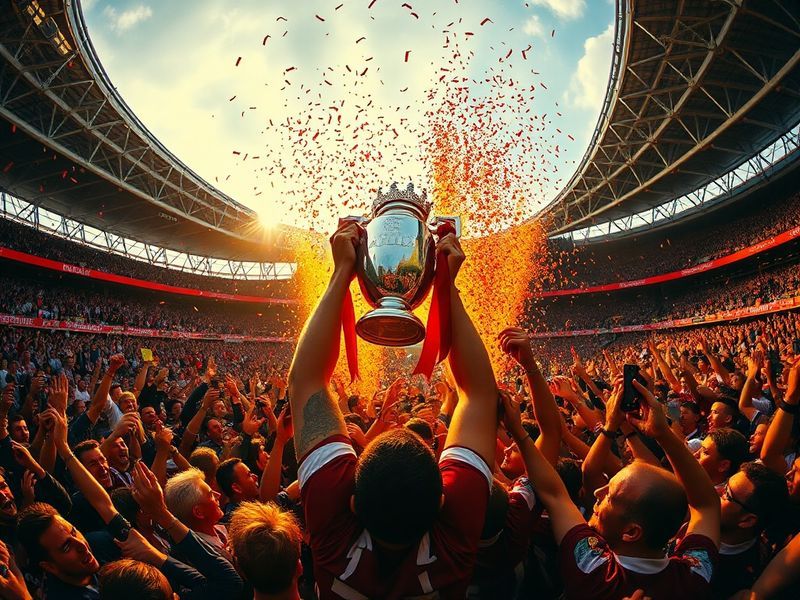
Yet, the competition’s resilience cannot be underestimated. The FA Cup final remains a highlight of the football calendar, a moment when the world stops to watch a single match that can define a club’s season. For the fans, it is a chance to create memories that will last a lifetime. For the players, it is an opportunity to etch their names into history. And for the footballing world, it is a reminder of why the beautiful game is so beloved.
As the next FA Cup final approaches, the anticipation will build. Will it be another underdog story? Will a superstar deliver a moment of magic? Or will the giants of the game once again assert their dominance? One thing is certain: the FA Cup final will continue to captivate, inspire, and remind us all why football is the world’s game.
For those looking to dive deeper into the world of football, explore more on Dave’s Locker Sports and Football Analysis sections, where expert insights and in-depth coverage await.