Bragantino vs Palmeiras: Tactical Analysis of Brazil’s Elite Clash
“`html
Red Bull Bragantino vs Palmeiras: Tactical Breakdown of Brazil’s High-Stakes Clash
When Red Bull Bragantino and Palmeiras face off in the Campeonato Brasileiro, Brazilian football delivers more than just a match. The stakes extend beyond league positioning, often influencing narratives around tactical innovation and squad depth. This fixture represents a collision between two distinctly different football philosophies, where preparation and execution often decide the outcome before a single whistle blows.
The matchup carries historical weight, though not always in the expected manner. Palmeiras, with its massive global fanbase and recent continental success, carries expectations of dominance. Bragantino, meanwhile, has carved its identity through relentless pressing and structured transitions, challenging traditional hierarchies in Brazilian football.
Recent Form and Season Context
As the 2024 Campeonato Brasileiro season reached its midway point, both teams entered this fixture in contrasting states of momentum. Palmeiras had suffered a rare dip in form, with three consecutive draws and a narrow defeat to Flamengo raising questions about squad balance. Their defensive vulnerabilities against counterattacks had become a talking point among analysts, particularly in transitions from wide areas.
Bragantino, on the other hand, entered the match on the back of four straight wins, including a 3-1 victory over Internacional that showcased their pressing intensity. Their 4-4-2 base allowed for rapid transitions, with wingers often doubling as auxiliary fullbacks. This tactical flexibility had helped them secure crucial points against top-four opponents.
The contrast in recent form set the stage for tactical intrigue. Palmeiras needed a response to regain momentum, while Bragantino aimed to extend their unbeaten run and prove their legitimacy among Brazil’s elite.
Tactical Approaches: Pressing Against Possession
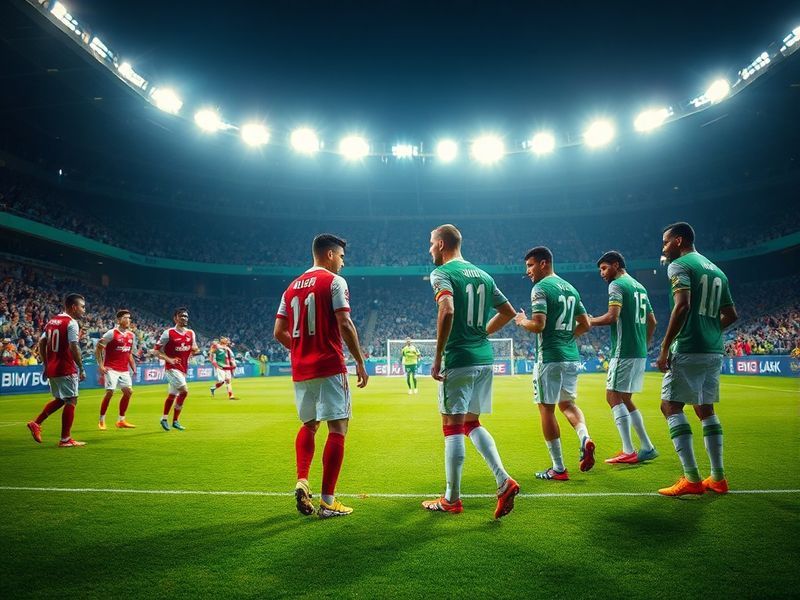
The tactical battle began long before kickoff. Bragantino’s approach under manager Pedro Caixinha centered on high-intensity pressing and positional discipline. Their 4-4-2 shape often morphed into a 4-2-4 during pressing phases, with fullbacks pushing high to compress the pitch. This created overloads in wide areas, forcing Palmeiras’ center-backs into uncomfortable decisions.
Palmeiras, under Abel Ferreira, relied on a 4-3-3 structure with a double pivot to shield the defense. Their buildup involved short passes from goalkeeper to center-back, aiming to lure Bragantino’s front two into pressing traps. However, Bragantino’s midfielders—particularly the energetic duo in central areas—often disrupted Palmeiras’ rhythm by cutting passing lanes.
Key tactical elements included:
- Bragantino’s half-space traps: Their wingers positioned themselves between fullback and center-back, forcing Palmeiras’ fullbacks into predictable options.
- Palmeiras’ direct switches: When Bragantino’s press was bypassed, Palmeiras targeted the flanks with diagonal balls to their wingers, exploiting the space vacated by Bragantino’s high fullbacks.
- Counter-pressing triggers: Bragantino’s forwards often engaged Palmeiras’ center-backs immediately after losing the ball, creating second-ball opportunities in dangerous zones.
This tactical duel highlighted a broader trend in Brazilian football: the rise of pressing as a viable strategy, even against traditionally possession-dominant sides. Bragantino’s success against Palmeiras could signal a shift in how smaller clubs approach top-tier opponents.
Key Player Battles That Defined the Match
Individual matchups often decide high-stakes fixtures, and this clash was no exception. The battle between Bragantino’s midfield enforcer and Palmeiras’ creative hub became a microcosm of the broader tactical struggle.
Bragantino’s midfield anchor, standing at 1.88 meters, used his physicality to disrupt Palmeiras’ playmaker. His ability to cover ground quickly allowed Bragantino to transition from defense to attack in under three seconds, catching Palmeiras’ wingers off guard. Meanwhile, Palmeiras’ playmaker, known for his vision and long-range passing, found himself frequently double-teamed by Bragantino’s midfield pair.
Up front, Bragantino’s striker posed a constant threat through intelligent runs in behind Palmeiras’ high defensive line. His movement forced Palmeiras’ center-backs into uncomfortable one-on-one situations, while his link-up play with the second striker kept Palmeiras’ defense occupied.
Palmeiras’ response came from their overlapping fullbacks, who provided width and stretched Bragantino’s compact defensive shape. Their ability to deliver crosses into the box created a recurring pattern: Bragantino’s defense would hold firm, but Palmeiras’ relentless crossing kept them under pressure.
Set Pieces and Marginal Gains
In tightly contested matches, set pieces often decide the outcome. This fixture was no different. Both teams had invested heavily in set-piece training during the season, with Palmeiras particularly dangerous from corners due to their physical presence in the box.
Bragantino’s defensive organization at set pieces was meticulous. Their zonal marking system, combined with man-oriented triggers, allowed them to limit Palmeiras’ aerial threats. However, their vulnerability came from second-ball situations, where Palmeiras’ quick transitions could exploit loose balls.
Palmeiras’ set-piece threat extended beyond corners. Their free-kick routines, often involving decoy runs and late arrivals, kept Bragantino’s defense guessing. One particularly effective pattern involved a short pass followed by a rapid switch of play to the opposite flank, catching Bragantino’s defensive shift off guard.
The importance of set pieces cannot be overstated in modern Brazilian football. Teams like Palmeiras and Bragantino dedicate entire training sessions to rehearsing routines, recognizing that marginal gains often determine league positions.
Aftermath and Implications for the League
The match ended in a 1-1 draw, a result that reflected the tactical stalemate. Palmeiras dominated possession but struggled to break down Bragantino’s low block, while Bragantino’s counters posed the greater threat. The draw left Palmeiras frustrated, while Bragantino celebrated another point earned against a top side.
For Palmeiras, the result reinforced concerns about their defensive transitions. Abel Ferreira admitted post-match that his team needed to improve their compactness, particularly when losing the ball in advanced areas. The draw also extended Palmeiras’ winless streak to four matches, a rare blip in their otherwise consistent season.
Bragantino, meanwhile, continued their upward trajectory. The draw against Palmeiras further cemented their reputation as a team capable of competing with Brazil’s elite. Their pressing intensity and tactical discipline had once again neutralized a superior opponent, raising questions about the sustainability of their approach.
Looking ahead, both teams faced contrasting challenges. Palmeiras needed to rediscover their winning form to maintain their title push, while Bragantino aimed to build on their strong season and secure a top-four finish. The tactical lessons from this match would undoubtedly influence their preparations for future fixtures.
For Brazilian football fans, this fixture served as a reminder of the league’s depth and unpredictability. While Palmeiras remained favorites, Bragantino’s tactical nous and resilience had once again proven that no team is invincible.
As the season progressed, the tactical innovations on display in this match would likely inspire other clubs to experiment with pressing and positional play. The Brazilian league’s evolution continues, driven by teams like Bragantino that refuse to accept traditional hierarchies.
In a league where every point is hard-earned, this draw was more than just a statistic—it was a statement. Bragantino had arrived. Palmeiras had been tested. And Brazilian football had witnessed yet another tactical masterclass.
For deeper insights into Palmeiras’ tactical evolution, explore our Analysis section. To track Bragantino’s rise through tactical breakdowns, visit our Sports category.