Guastatoya and Marquense: Two Clubs with Distinct Identities
In the heart of Central America, football clubs Guastatoya and Marquense represent two pillars of Guatemalan and broader regional football culture. Guastatoya, based in the eastern department of El Progreso, has risen from regional obscurity to become a consistent contender in Liga Nacional. Marquense, hailing from San Marcos in the western highlands, carries a legacy that stretches back decades, rooted in tradition and community pride.
The contrast between the two clubs extends beyond geography. Guastatoya embodies the ambition of smaller towns seeking national recognition. Their home ground, the David Cordón Hichos Stadium, is modest but electric on matchdays. Marquense, by contrast, plays at the Estadio Marquesa de la Ensenada, a venue steeped in history and surrounded by the dramatic backdrop of the volcanic highlands. These differences shape not just their playing styles but also their fan cultures and narratives in Guatemalan football.
The Rise of Guastatoya: From Local Pride to National Force
Founded in 2010, Guastatoya’s ascent has been rapid and deliberate. The club’s growth mirrors broader trends in Central American football, where smaller markets are leveraging strategic investments and youth development to compete with more established teams. Unlike traditional powerhouses like Comunicaciones or Municipal, Guastatoya built its reputation through disciplined management and a focus on local talent.
By the 2018-2019 season, Guastatoya clinched its first Liga Nacional title, a feat that announced their arrival as serious contenders. Their style of play—organized, physical, and direct—reflects the influence of European coaching philosophies adapted to Central American conditions. The club’s success has also drawn attention to El Progreso, a region often overshadowed by Guatemala City’s dominance in sports and commerce.
Off the pitch, Guastatoya has cultivated a passionate fanbase known for vocal support and creative chants. Their rise is part of a global phenomenon where clubs from smaller cities challenge traditional hierarchies, much like RB Leipzig in Germany or Union Berlin in the Bundesliga. This narrative resonates well beyond Guatemala’s borders, offering a template for aspiring clubs worldwide.
Marquense: Tradition, Culture, and Resilience in the Highlands
Marquense’s story is one of endurance and cultural identity. Founded in 1964, the club is deeply woven into the social fabric of San Marcos. The department is known for its indigenous heritage, fertile lands, and proximity to the Pacific coast, all of which influence Marquense’s approach to football. The team’s crest features a stylized volcano, symbolizing both the region’s geography and its indomitable spirit.
While Marquense has not claimed a Liga Nacional title since its inception, its legacy lies in consistency and community engagement. The club has served as a launching pad for many Guatemalan internationals, including players who later starred for top clubs or represented the national team. This role as a talent incubator is vital in a country where football is both entertainment and a pathway to social mobility.
Marquense’s fan culture is equally distinctive. Home matches often feature traditional music, colorful banners, and a strong sense of regional pride. The club’s supporters see Marquense as more than a team—it’s a symbol of San Marcos’ resilience, especially in the face of economic challenges and geographic isolation. In this sense, Marquense reflects a global pattern where football clubs act as cultural ambassadors for their regions.
When Guastatoya Meets Marquense: A Clash of Styles and Stories
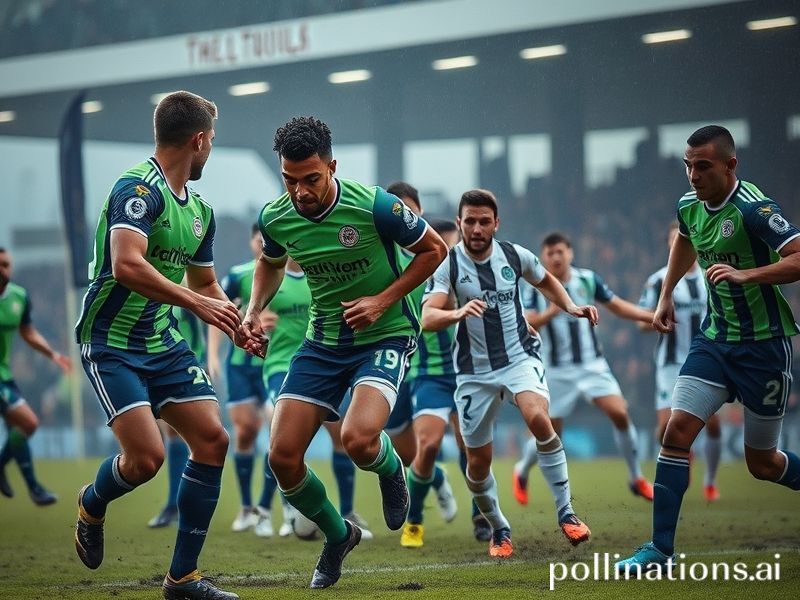
Matches between Guastatoya and Marquense are more than sporting contests; they are cultural exchanges. Guastatoya’s structured, possession-based approach often clashes with Marquense’s more direct, physical style. These games showcase the diversity of Central American football, where tactical innovation meets deep-rooted tradition.
On the pitch, Guastatoya typically dominates possession and relies on quick transitions. Their midfielders control tempo, while forwards exploit spaces behind Marquense’s defensive line. Marquense, in turn, excels in aerial duels and set-pieces, often scoring crucial goals from dead-ball situations. This tactical contrast makes their encounters unpredictable and engaging for neutrals.
The rivalry also carries symbolic weight. Guastatoya represents the new wave of Guatemalan football—ambitious, modern, and forward-thinking. Marquense embodies the soul of the sport—community-driven, traditional, and unapologetically regional. When these two meet, audiences witness a microcosm of football’s broader evolution in Central America.
Key Moments in the Guastatoya vs. Marquense Rivalry
The history between these two clubs is relatively short but rich in drama. Below are some defining matches that have shaped their rivalry:
- 2019 Apertura Final: Guastatoya secured a dramatic 2-1 victory over Marquense in the league semifinals, propelling them to their first-ever title. The match was decided by a late penalty, sparking celebrations in El Progreso and disbelief in San Marcos.
- 2021 Clausura Semifinals: Marquense exacted revenge with a 3-2 aggregate win, eliminating Guastatoya in a tightly contested series. The second leg featured a hostile atmosphere at Estadio Marquesa de la Ensenada.
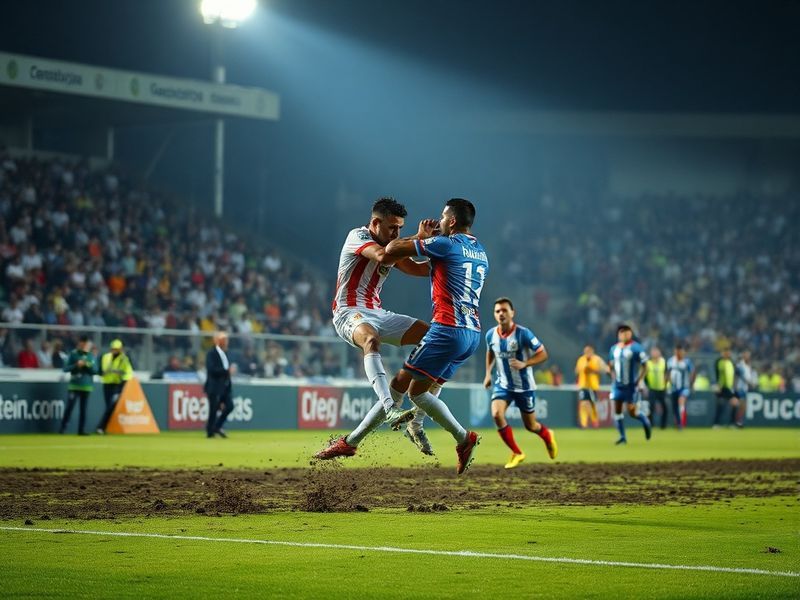
- 2023 Regular Season Clash: Guastatoya won 1-0 in a tightly refereed match, with tensions flaring after a late red card. The result reinforced Guastatoya’s status as a top team while leaving Marquense searching for consistency.
These matches highlight the psychological edge that often decides Central American football derbies. Momentum swings on individual mistakes or moments of brilliance, making every encounter a test of mental resilience as much as physical ability.
A Global Lens: How Central American Football Compares Internationally
To understand the significance of Guastatoya vs. Marquense, it’s useful to place them within a global context. Central American football operates under unique constraints: limited resources, smaller talent pools, and intense competition from North American leagues like MLS and Liga MX. Yet, clubs from the region continue to punch above their weight in CONCACAF competitions.
Guastatoya and Marquense exemplify two models of success in this environment. Guastatoya’s rise mirrors that of clubs like CD Olimpia in Honduras or Saprissa in Costa Rica—organizations that blend innovation with local identity. Marquense, on the other hand, aligns with clubs like Real Estelí in Nicaragua, where tradition and community are as important as trophies.
Globally, football is increasingly defined by hybrid identities—clubs that honor local roots while adopting global best practices. Guastatoya and Marquense represent this duality. Their rivalry is not just about points on the table; it’s about representing regions, cultures, and futures. In an era where football is dominated by billion-dollar franchises, these clubs remind us that the soul of the game still thrives in smaller communities.
Conclusion: More Than Just a Match
The Guastatoya vs. Marquense fixture is a microcosm of Central American football’s beauty and complexity. It’s a clash of ambition and tradition, innovation and identity, progress and heritage. For fans in El Progreso and San Marcos, these matches carry emotional weight that transcends sport.
As Central American football continues to evolve, clubs like Guastatoya and Marquense will play a pivotal role in shaping its future. Whether through youth academies, community engagement, or on-field success, their stories reflect the broader struggles and triumphs of the region. In a sport often dominated by wealth and power, these clubs offer a compelling narrative of resilience, passion, and authenticity.
For football enthusiasts worldwide, matches like these are a reminder that the game’s magic lies not just in stadiums filled with 80,000 fans, but in the passion of 5,000 in a dusty provincial town. Guastatoya and Marquense are not just teams—they are living stories, and their rivalry is a testament to football’s power to unite, inspire, and transform.
Explore more sports stories on Dave’s Locker.